
Core Security Features
الميزات الأمنية الأساسية

Cybersecurity الأمن السيبراني
Protect systems, apps, and data from threats. حماية الأنظمة والتطبيقات والبيانات من التهديدات.

Data Protection حماية البيانات
Secure sensitive data across all platforms. تأمين البيانات الحساسة عبر جميع المنصات.

Threat Prevention منع التهديدات
Prevent attacks and reduce security risks. منع الهجمات وتقليل المخاطر الأمنية.

Risk Management إدارة المخاطر
Minimize risks from evolving cyber threats. تقليل المخاطر الناتجة عن التهديدات المتطورة.

Access Control التحكم في الوصول
Restrict access and ensure system integrity. تقييد الوصول وضمان سلامة الأنظمة.

Trust & Reliability الثقة والموثوقية
Build trust with strong security practices. بناء الثقة من خلال ممارسات أمنية قوية.
Core Security Features
الميزات الأمنية الأساسية
Cybersecurity الأمن السيبراني
Protect systems, apps, and data from threats. حماية الأنظمة والتطبيقات والبيانات من التهديدات.
Data Protection حماية البيانات
Secure sensitive data across all platforms. تأمين البيانات الحساسة عبر جميع المنصات.
Threat Prevention منع التهديدات
Prevent attacks and reduce security risks. منع الهجمات وتقليل المخاطر الأمنية.
Risk Management إدارة المخاطر
Minimize risks from evolving cyber threats. تقليل المخاطر الناتجة عن التهديدات المتطورة.
Access Control التحكم في الوصول
Restrict access and ensure system integrity. تقييد الوصول وضمان سلامة الأنظمة.
Trust & Reliability الثقة والموثوقية
Build trust with strong security practices. بناء الثقة من خلال ممارسات أمنية قوية.
أمان الشبكة
حظر الوصول غير المصرح به.
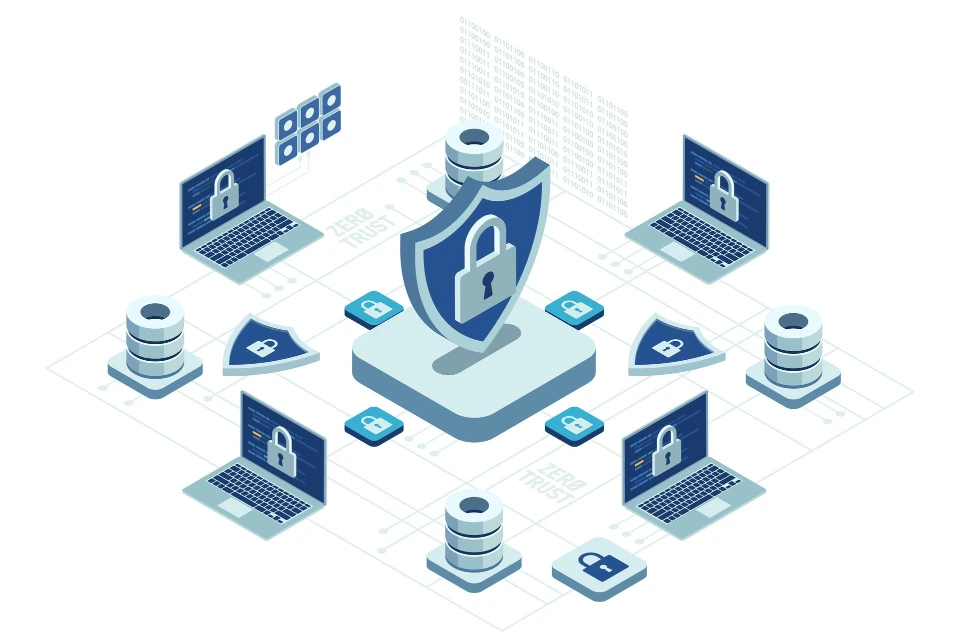
تركز أمان الشبكة على حماية الأنظمة الداخلية من التهديدات الخارجية والداخلية. يتضمن ذلك تنفيذ جدران الحماية، وأنظمة كشف التسلل، وتكوينات الشبكة الآمنة لمنع الوصول غير المصرح به. من خلال مراقبة حركة مرور الشبكة وحظر الأنشطة المشبوهة، يمكن للمنظمات تقليل الثغرات ومنع خروقات البيانات. تضمن استراتيجية أمان الشبكة القوية أن تظل المعلومات الحساسة محمية مع الحفاظ على عمليات النظام سلسة وآمنة.
معايير التشفير
حماية البيانات بالتشفير.
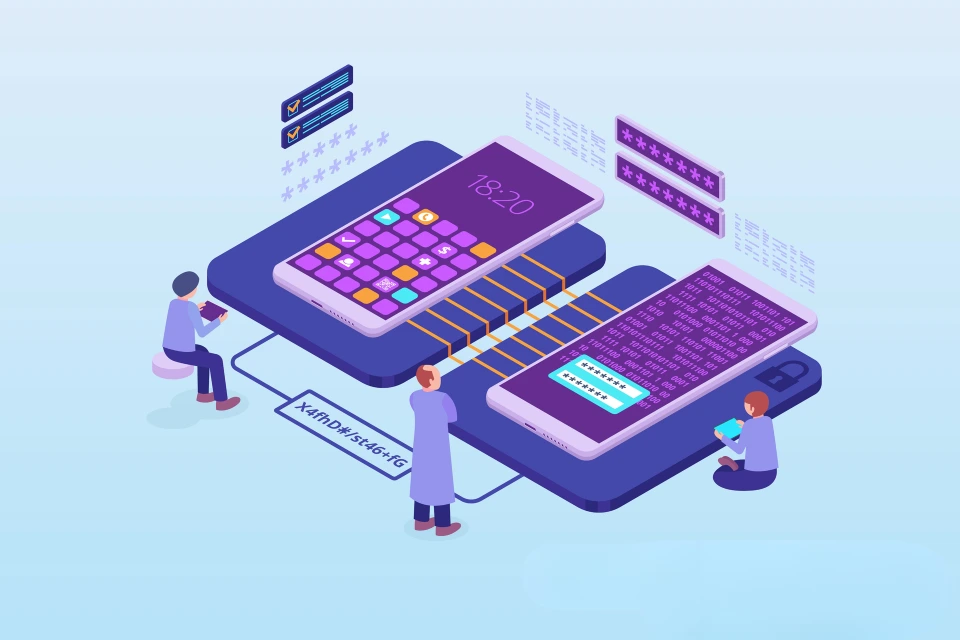
يضمن التشفير أن تظل البيانات الحساسة غير قابلة للقراءة من قبل المستخدمين غير المصرح لهم، سواء أثناء النقل أو التخزين. يساعد استخدام معايير التشفير الحديثة مثل SSL/TLS لحركة مرور الويب وبروتوكولات التشفير القوية في حماية المعلومات السرية من الاعتراض. يلعب التشفير دورًا حيويًا في الحفاظ على سلامة البيانات وسرية المعلومات، مما يجعله مكونًا أساسيًا في أي استراتيجية للأمن السيبراني.
أمان النقاط النهائية
تأمين جميع الأجهزة المتصلة.
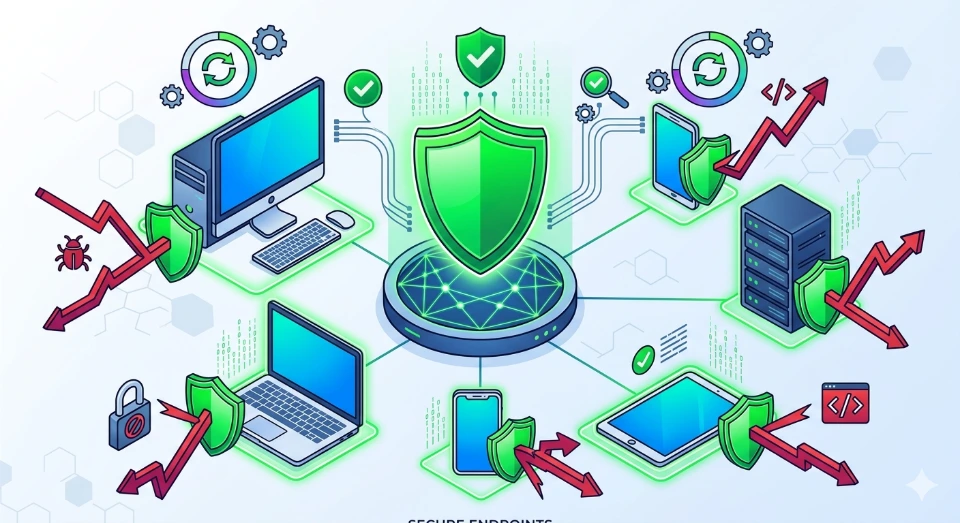
يركز أمان النقاط النهائية على تأمين الأجهزة مثل أجهزة الكمبيوتر والهواتف المحمولة والخوادم التي تتصل بشبكة. تعتبر هذه النقاط النهائية نقاط دخول شائعة للتهديدات السيبرانية، مما يجعلها حرجة للحماية. يساعد تنفيذ برامج مكافحة الفيروسات، ومراقبة الأجهزة، والتحديثات المنتظمة في منع البرمجيات الضارة والوصول غير المصرح به. يضمن أمان النقاط النهائية القوي أن تساهم كل جهاز متصل في حماية النظام بشكل عام.
مراقبة الأمان والاستجابة للحوادث
اكتشف واستجب بسرعة.
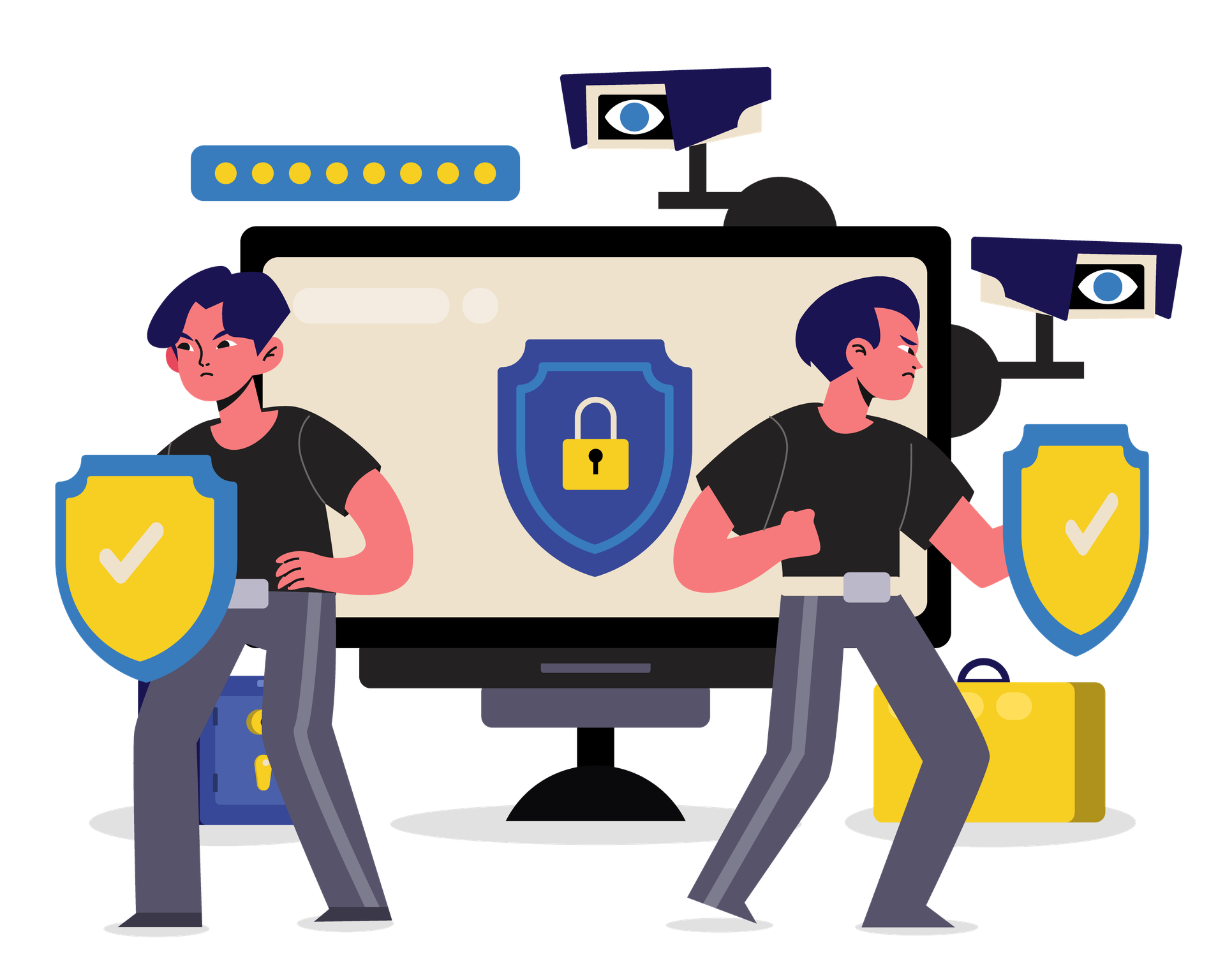
يسمح المراقبة المستمرة للمنظمات بتحديد التهديدات المحتملة في الوقت الحقيقي. تقوم أدوات الأمان بتحليل نشاط النظام، واكتشاف الشذوذ، وإطلاق التنبيهات عند العثور على سلوك مشبوه. يضمن خطة استجابة فعالة للحوادث معالجة التهديدات بسرعة، مما يقلل من الأضرار ووقت التوقف. من خلال دمج المراقبة مع استراتيجية استجابة منظمة، يمكن للشركات الحفاظ على المرونة ضد الهجمات الإلكترونية.
النسخ الاحتياطي واستعادة البيانات
استعادة البيانات بسرعة.
تعتبر أنظمة النسخ الاحتياطي والاستعادة ضرورية لحماية البيانات من الفقدان بسبب الهجمات الإلكترونية، أو فشل النظام، أو الأخطاء البشرية. تتيح النسخ الاحتياطية المنتظمة، المخزنة بأمان في مواقع متعددة، للمنظمات استعادة البيانات بسرعة عند الحاجة. تضمن خطة الاستعادة المحددة جيدًا استمرارية الأعمال وتقلل من وقت التوقف. لا تحمي هذه الخطة المعلومات الحيوية فحسب، بل تعزز أيضًا جاهزية الأمن السيبراني بشكل عام.
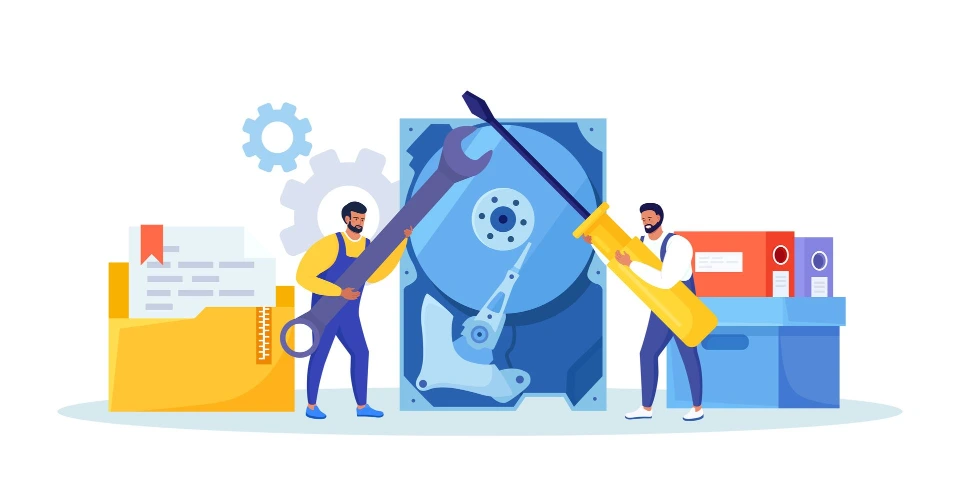
Compliance & Data Privacy الامتثال وخصوصية البيانات
Organizations must comply with global regulations to ensure responsible handling of user info. Frameworks guide how data is collected, stored, and processed securely. يجب على المؤسسات الامتثال للوائح حماية البيانات ومعايير الخصوصية لضمان التعامل المسؤول مع معلومات المستخدمين من خلال أطر عمل تنظم الجمع والتخزين والمعالجة.
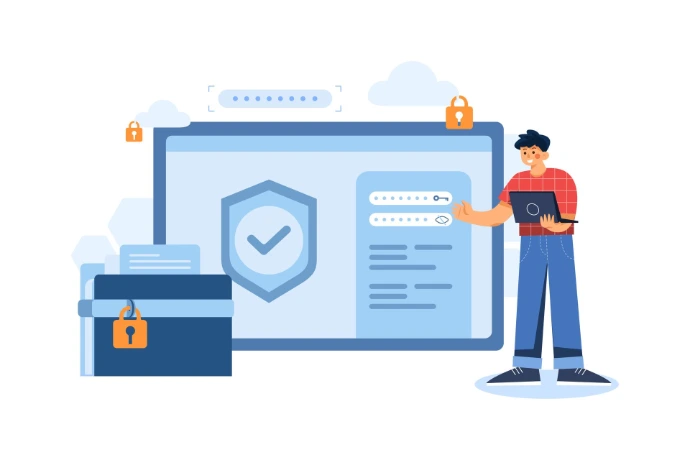
Compliance & Data Privacy الامتثال وخصوصية البيانات
Organizations must comply with global regulations to ensure responsible handling of user info. Frameworks guide how data is collected, stored, and processed securely. يجب على المؤسسات الامتثال للوائح حماية البيانات ومعايير الخصوصية لضمان التعامل المسؤول مع معلومات المستخدمين من خلال أطر عمل تنظم الجمع والتخزين والمعالجة.
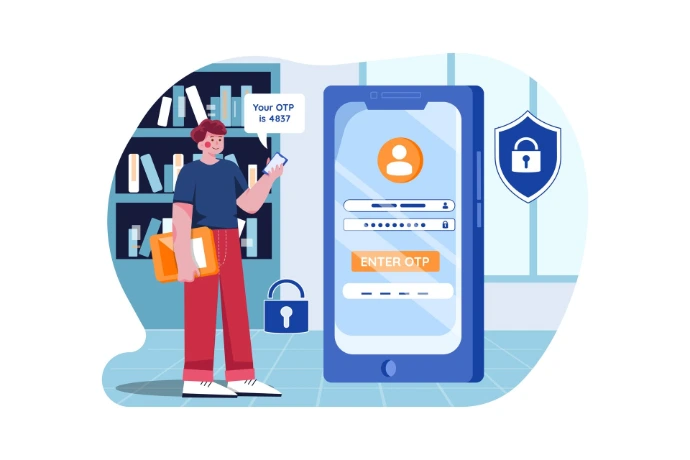
Building Trust Through Security بناء الثقة من خلال الأمن
A secure platform reassures users that their sensitive data is protected. Visible security features and transparent privacy policies are critical factors in user engagement and financial confidence. تطمئن المنصة الآمنة المستخدمين بأن بياناتهم الحساسة محمية. تعتبر ميزات الأمان المرئية وسياسات الخصوصية الشفافة من العوامل الحاسمة في مشاركة المستخدم وثقته المالية.
Building Trust Through Security بناء الثقة من خلال الأمن
A secure platform reassures users that their sensitive data is protected. Visible security features and transparent privacy policies are critical factors in user engagement and financial confidence. تطمئن المنصة الآمنة المستخدمين بأن بياناتهم الحساسة محمية. تعتبر ميزات الأمان المرئية وسياسات الخصوصية الشفافة من العوامل الحاسمة في مشاركة المستخدم وثقته المالية.
ما يمكننا القيام به من أجلك
نؤمّن بياناتك عبر كامل دورة حياتها، من التخزين إلى النقل، لضمان حماية شاملة.
نقوم بتنفيذ المصادقة والأذونات المعتمدة على الأدوار لتقييد الوصول للمستخدمين المصرح لهم فقط.
نقوم بإعداد نسخ احتياطية منتظمة وحلول استعادة لمنع فقدان البيانات وضمان استمرارية العمل.
نراقب الأنظمة في الوقت الفعلي لاكتشاف التهديدات الأمنية المحتملة والاستجابة لها.
نقوم بنشر جدران الحماية، وحماية من البرمجيات الخبيثة، وفحص الثغرات الأمنية لحماية أنظمتك.
نقوم بإعداد خوادم وشبكات وتحديثات آمنة للحفاظ على بيئة رقمية محمية.
تواصل معنا اليوم!
شركتي
- مبنى غرهود فيوز - الطابق السابع - المكتب 711-01 دبي، الإمارات العربية المتحدة
- +971509862203
- +971509862239
- info@itdtech.ae