
أعمدة التميز في الحكومة الرقمية
فتح كفاءة وشفافية وخدمات تركز على المواطن من خلال منصات مؤسسية حديثة.
أمن البيانات والخصوصية أولاً
تنفيذ تشفير متقدم، والتحكم في الوصول، وبروتوكولات الامتثال لحماية المعلومات الحساسة للمواطنين. يضمن الثقة، والامتثال القانوني، والقدرة على الصمود ضد التهديدات السيبرانية.
تقديم خدمات ذكية
استغلال الرؤى المدفوعة بالذكاء الاصطناعي والتحليلات التنبؤية لتحسين تخصيص الموارد، وتقليل الاختناقات، وتوقع الطلب على الخدمات العامة. يعزز السرعة والرضا للمستخدمين.
أدوات الحوكمة التعاونية
تمكين التعاون بين الإدارات من خلال لوحات المعلومات المتكاملة، وسير العمل المشترك، والتحديثات في الوقت الحقيقي. يعزز اتخاذ القرارات المنسقة، والمساءلة، والتماسك التشغيلي.
أشياء يجب معرفتها عن

E-Commerce Growth نمو التجارة الإلكترونية
Grow online sales and engagement. زيادة المبيعات والتفاعل عبر الإنترنت

Scalable Solutions حلول قابلة للتوسع
Scale systems to handle growth. توسيع الأنظمة لمواكبة النمو

Performance Optimization تحسين الأداء
Improve speed and platform efficiency. تحسين السرعة وكفاءة المنصة

Targeted Marketing التسويق الموجه
Reach the right audience effectively. الوصول للجمهور المناسب بفعالية

Customer Experience تجربة العملاء
Enhance user journeys and satisfaction. تحسين تجربة المستخدم ورضا العملاء

Business Scaling توسيع الأعمال
Expand operations for sustainable growth. توسيع العمليات لتحقيق نمو مستدام
E-Commerce Growth نمو التجارة الإلكترونية
Grow online sales and engagement. زيادة المبيعات والتفاعل عبر الإنترنت
Scalable Solutions حلول قابلة للتوسع
Scale systems to handle growth. توسيع الأنظمة لمواكبة النمو
Performance Optimization تحسين الأداء
Improve speed and platform efficiency. تحسين السرعة وكفاءة المنصة
Targeted Marketing التسويق الموجه
Reach the right audience effectively. الوصول للجمهور المناسب بفعالية
Customer Experience تجربة العملاء
Enhance user journeys and satisfaction. تحسين تجربة المستخدم ورضا العملاء
Business Scaling توسيع الأعمال
Expand operations for sustainable growth. توسيع العمليات لتحقيق نمو مستدام
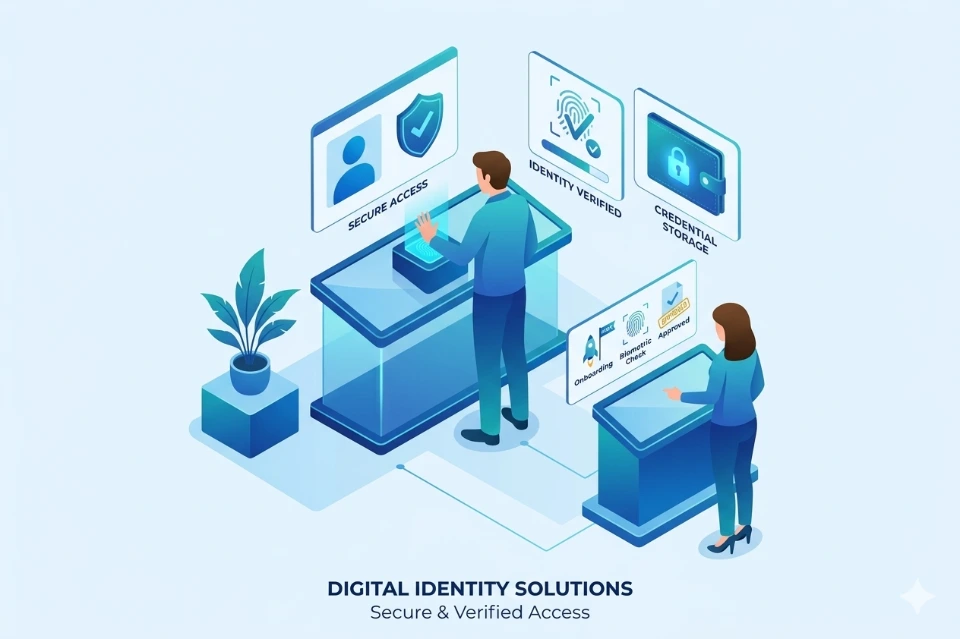
حلول الهوية الرقمية
وصول آمن ومحقق
تنفيذ أنظمة شاملة لإدارة الهوية الرقمية للمواطنين والموظفين، بما في ذلك المصادقة متعددة العوامل، والتحقق البيومتري، وتخزين بيانات الاعتماد بشكل آمن. يضمن الوصول المصرح به، ويقلل من الاحتيال، ويسهل عملية الانضمام. مع خدمات الهوية المركزية، يمكن للوكالات الحكومية تقديم تفاعلات سلسة، وحماية البيانات الحساسة، والحفاظ على الامتثال للوائح الخصوصية، مما يعزز الثقة والموثوقية التشغيلية.
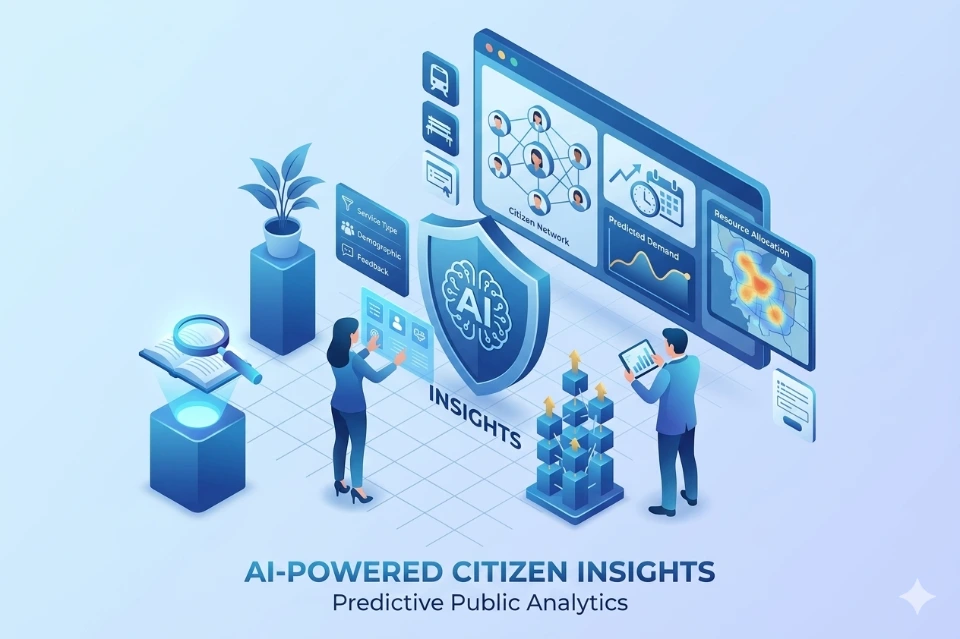
رؤى المواطنين المدعومة بالذكاء الاصطناعي
تحليلات عامة تنبؤية
استخدام الذكاء الاصطناعي وتعلم الآلة لتحليل تفاعلات المواطنين، وأنماط استخدام الخدمات، وبيانات التغذية الراجعة. تتيح هذه الرؤى للحكومات توقع الطلب على الخدمات، وتخصيص الموارد بكفاءة، وتصميم برامج مخصصة لتلبية احتياجات المجتمع. توفر لوحات المعلومات في الوقت الحقيقي معلومات قابلة للتنفيذ لصانعي القرار، مما يعزز الاستجابة وفعالية السياسات بينما يعزز الحوكمة المدفوعة بالبيانات.
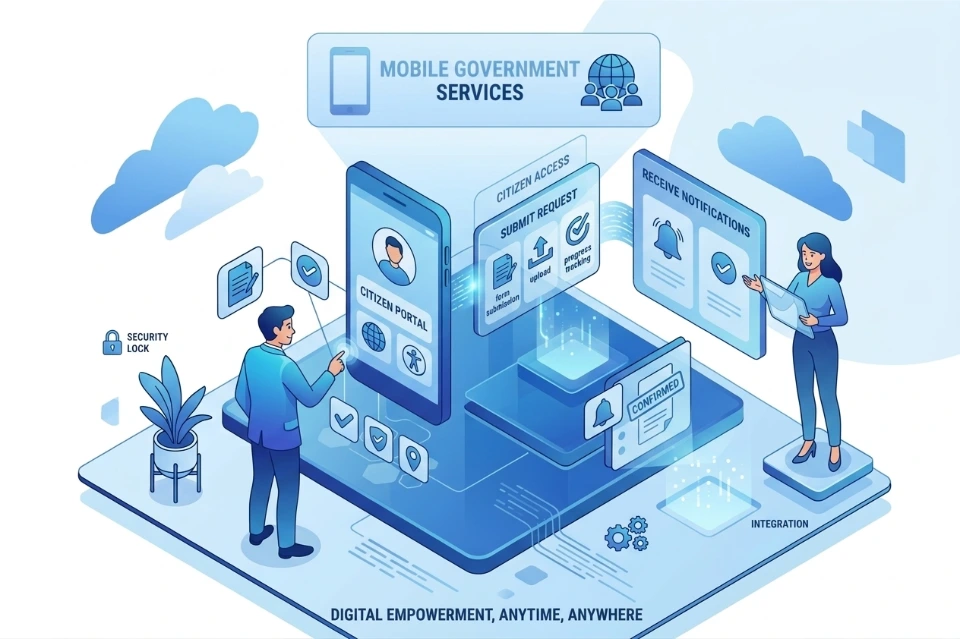
منصات الحكومة المحمولة
خدمات في أي وقت، وفي أي مكان
تقديم الخدمات العامة من خلال بوابات وتطبيقات محسّنة للهواتف المحمولة، مما يمكّن المواطنين من الوصول إلى الخدمات، وتقديم الطلبات، واستلام الإشعارات على هواتفهم الذكية وأجهزتهم اللوحية. تزيد منصات الحكومة المحمولة من المشاركة، والراحة، وسهولة الوصول، خاصة للمجتمعات النائية أو المحرومة، مع الحفاظ على معايير الأمان والتكامل السلس مع الأنظمة المركزية.
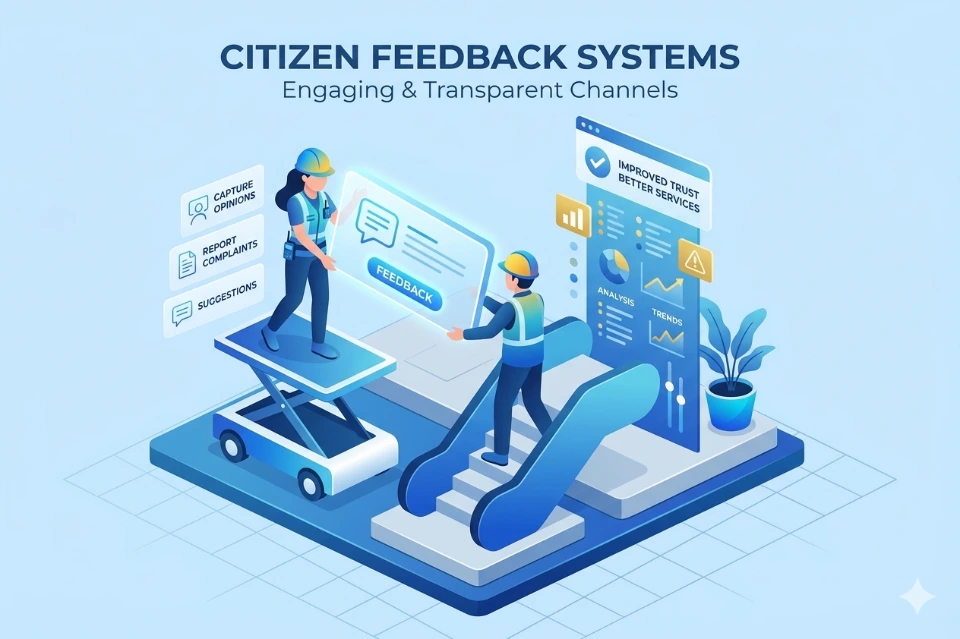
أنظمة تغذية راجعة للمواطنين
قنوات جذابة وشفافة
دمج آليات التغذية الراجعة المنظمة، والاستطلاعات، وأدوات التقارير لالتقاط آراء المواطنين، والشكاوى، والاقتراحات. تساعد التحليلات الآلية للتغذية الراجعة الوكالات على تحسين جودة الخدمة، والاستجابة، والشفافية. إن إشراك المواطنين في الحوكمة يعزز الثقة، ويشجع المشاركة، ويضمن تطور الخدمات العامة وفقًا للاحتياجات الحقيقية للمجتمع.
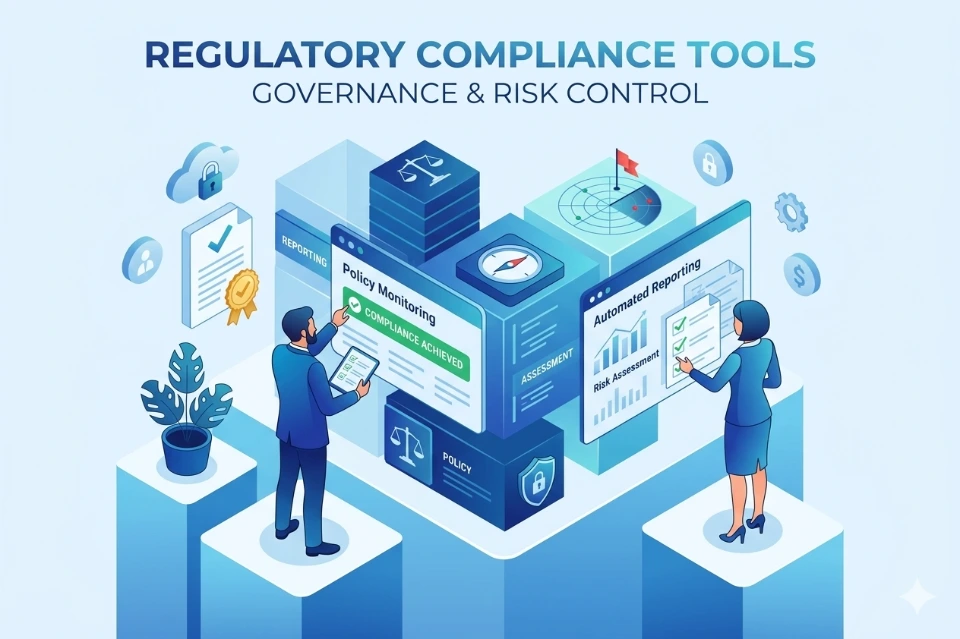
أدوات الامتثال التنظيمي
الحوكمة ومراقبة المخاطر
تزويد المؤسسات بأدوات متكاملة لإدارة الامتثال والتدقيق للوفاء باللوائح المحلية والدولية. تضمن ميزات التقارير الآلية، ومراقبة السياسات، وتقييم المخاطر الالتزام القانوني، وتقليل المخاطر التشغيلية، وتعزيز الشفافية. باستخدام هذه الأدوات، تحافظ البوابات الحكومية على المساءلة، وتقوي ثقة الجمهور، وتدعم حوكمة رقمية مستدامة.
Information Integrity
نزاهة المعلومات
Data Management & Reporting
إدارة البيانات والتقارير
Unified Single Source of Truth
مصدر موحد وحيد للحقيقة
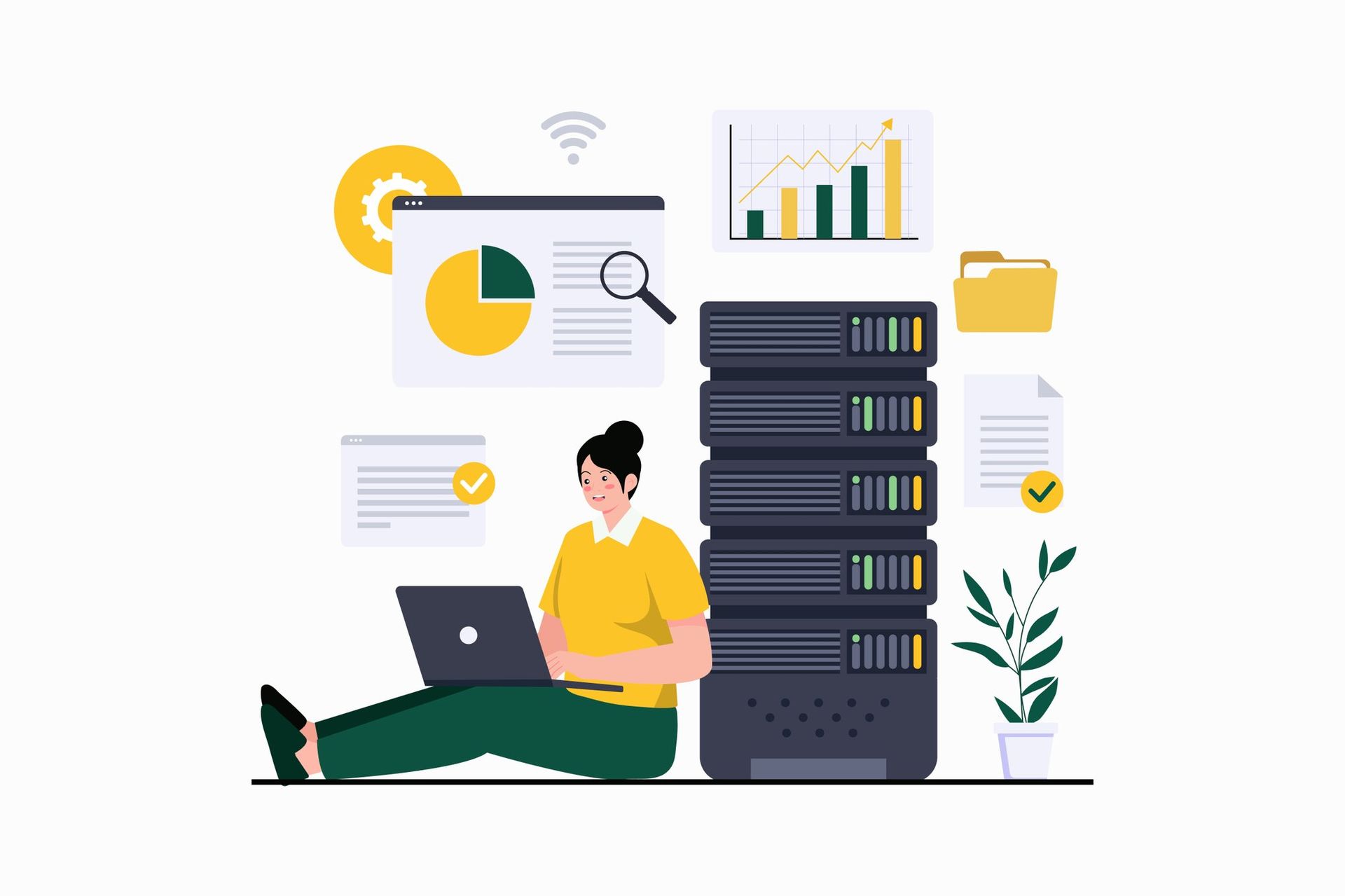
Centralize disparate data streams—from financial ledgers to supply chain logs—into a high-integrity engine. Eliminate information silos to ensure every department operates on identical intelligence.
مركزية تدفقات البيانات المتباينة - من الدفاتر المالية إلى سجلات سلسلة التوريد - في محرك عالي النزاهة. تخلص من صوامع المعلومات لضمان عمل كل قسم بناءً على بيانات متطابقة.
Real-Time Pulse Dashboards
لوحات متابعة فورية لنبض العمل
Transition from reactive reporting to proactive analytics. Monitor KPIs instantly and identify emerging trends before they become critical issues through automated data visualization.
الانتقال من التقارير التفاعلية إلى التحليلات الاستباقية. راقب مؤشرات الأداء الرئيسية فوراً وحدد الاتجاهات الناشئة قبل أن تصبح مشكلات حرجة من خلال التمثيل البصري الآلي للبيانات.
Evidence-Based Governance
حوكمة قائمة على الأدلة
Foster a culture of transparency where every strategic pivot is backed by empirical evidence. Turn raw building data into a predictive roadmap for operational excellence and scalability.
تعزيز ثقافة الشفافية حيث يتم دعم كل تحول استراتيجي بأدلة تجريبية. حول البيانات الخام إلى خارطة طريق تنبؤية للتميز التشغيلي وقابلية التوسع.
Information Integrity
نزاهة المعلومات
Data Management & Reporting
إدارة البيانات والتقارير
Unified Single Source of Truth
مصدر موحد وحيد للحقيقة
Centralize disparate data streams—from financial ledgers to supply chain logs—into a high-integrity engine. Eliminate information silos to ensure every department operates on identical intelligence.
مركزية تدفقات البيانات المتباينة - من الدفاتر المالية إلى سجلات سلسلة التوريد - في محرك عالي النزاهة. تخلص من صوامع المعلومات لضمان عمل كل قسم بناءً على بيانات متطابقة.
Real-Time Pulse Dashboards
لوحات متابعة فورية لنبض العمل
Transition from reactive reporting to proactive analytics. Monitor KPIs instantly and identify emerging trends before they become critical issues through automated data visualization.
الانتقال من التقارير التفاعلية إلى التحليلات الاستباقية. راقب مؤشرات الأداء الرئيسية فوراً وحدد الاتجاهات الناشئة قبل أن تصبح مشكلات حرجة من خلال التمثيل البصري الآلي للبيانات.
Evidence-Based Governance
حوكمة قائمة على الأدلة
Foster a culture of transparency where every strategic pivot is backed by empirical evidence. Turn raw building data into a predictive roadmap for operational excellence and scalability.
تعزيز ثقافة الشفافية حيث يتم دعم كل تحول استراتيجي بأدلة تجريبية. حول البيانات الخام إلى خارطة طريق تنبؤية للتميز التشغيلي وقابلية التوسع.
Digital Governance
الحوكمة الرقمية
Enhancing Public Service Delivery
تعزيز تقديم الخدمات العامة
Unified Citizen Gateways
بوابات المواطنين الموحدة
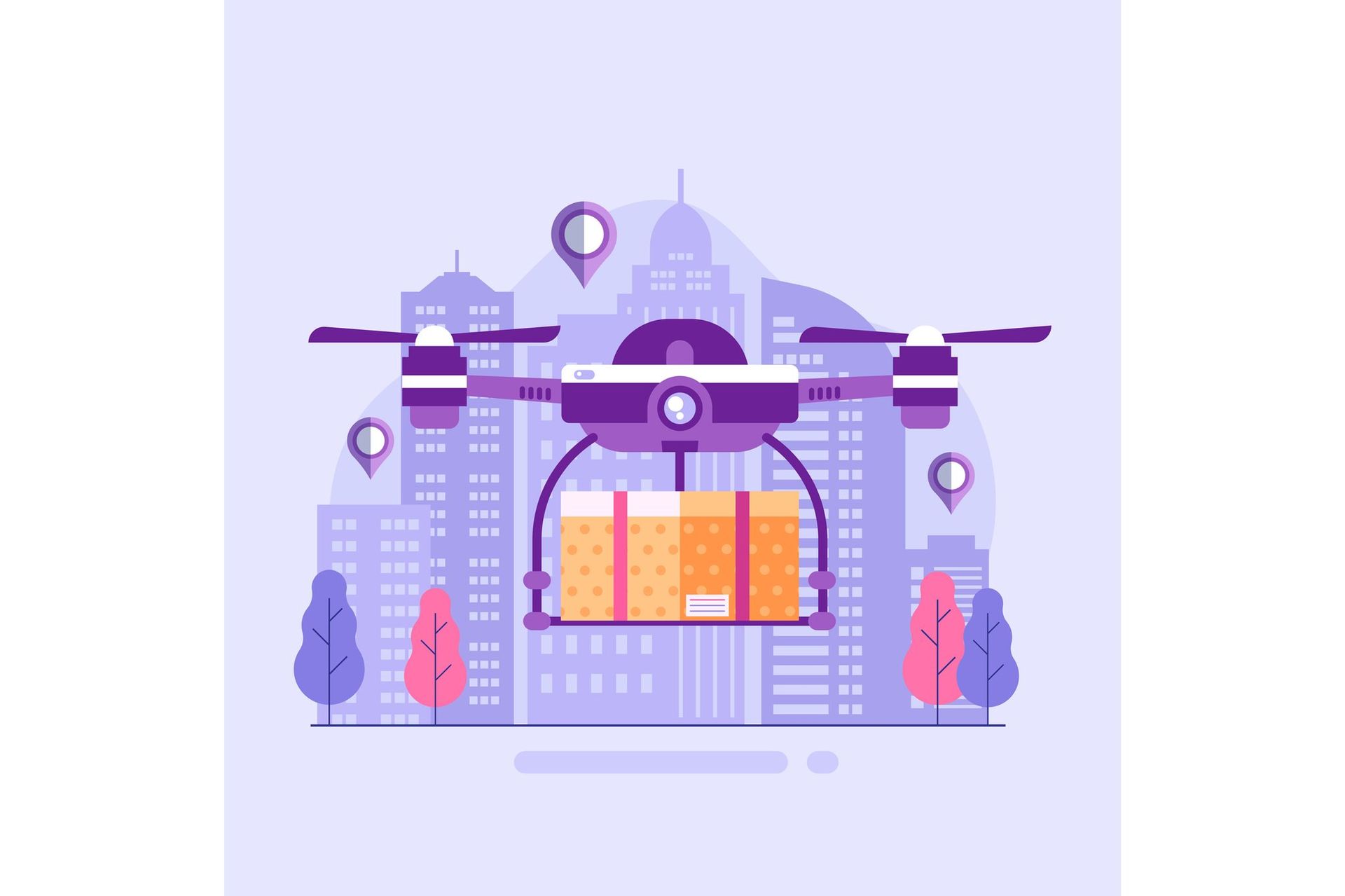
Eliminate bureaucratic friction by transitioning to secure, cloud-native portals. Provide 24/7 access to permit applications and document verification via a single centralized hub.
القضاء على البيروقراطية من خلال الانتقال إلى بوابات سحابية آمنة. توفير وصول على مدار الساعة لطلبات التصاريح وتوثيق المستندات عبر مركز واحد.
Multilingual Agentic AI Guidance
توجيه الذكاء الاصطناعي متعدد اللغات
Ensure technical inclusivity with AI assistants that provide real-time guidance. Navigate complex regulatory processes intuitively with personalized support in multiple languages.
ضمان الشمولية التقنية بمساعدة الذكاء الاصطناعي الذي يقدم توجيهاً فورياً. التنقل في العمليات التنظيمية المعقدة بسهولة عبر دعم مخصص بلغات متعددة.
Cross-Departmental Data Harmony
تناغم البيانات بين الإدارات
Strengthen public trust with a robust integrated backend. Prevent redundant data entry and ensure information flows seamlessly between departments for high-speed fulfillment.
تعزيز الثقة العامة ببيئة خلفية متكاملة وقوية. منع تكرار إدخال البيانات وضمان تدفق المعلومات بسلاسة بين الإدارات لسرعة إنجاز الخدمات.
Digital Governance
الحوكمة الرقمية
Enhancing Public Service Delivery
تعزيز تقديم الخدمات العامة
Unified Citizen Gateways
بوابات المواطنين الموحدة
Eliminate bureaucratic friction by transitioning to secure, cloud-native portals. Provide 24/7 access to permit applications and document verification via a single centralized hub.
القضاء على البيروقراطية من خلال الانتقال إلى بوابات سحابية آمنة. توفير وصول على مدار الساعة لطلبات التصاريح وتوثيق المستندات عبر مركز واحد.
Multilingual Agentic AI Guidance
توجيه الذكاء الاصطناعي متعدد اللغات
Ensure technical inclusivity with AI assistants that provide real-time guidance. Navigate complex regulatory processes intuitively with personalized support in multiple languages.
ضمان الشمولية التقنية بمساعدة الذكاء الاصطناعي الذي يقدم توجيهاً فورياً. التنقل في العمليات التنظيمية المعقدة بسهولة عبر دعم مخصص بلغات متعددة.
Cross-Departmental Data Harmony
تناغم البيانات بين الإدارات
Strengthen public trust with a robust integrated backend. Prevent redundant data entry and ensure information flows seamlessly between departments for high-speed fulfillment.
تعزيز الثقة العامة ببيئة خلفية متكاملة وقوية. منع تكرار إدخال البيانات وضمان تدفق المعلومات بسلاسة بين الإدارات لسرعة إنجاز الخدمات.
ماذا يمكننا أن نفعل من أجلك
نقوم بتصميم ونشر بوابات آمنة للدخول الموحد (SSO) تجمع جميع الخدمات العامة في واجهة واحدة سهلة الاستخدام، مما يبسط رحلة المواطن من البداية إلى النهاية.
تقوم فرقنا بدمج وكلاء ذكاء اصطناعي ذكيين يقدمون دعمًا على مدار الساعة طوال أيام الأسبوع باللغة العربية والإنجليزية، موجهين المستخدمين خلال التطبيقات المعقدة والإجابة على الأسئلة السياسية على الفور.
نحن نغلق الفجوة بين بوابات الواجهة الأمامية والأقسام الخلفية، من خلال أتمتة توجيه واعتماد الطلبات لتقليل أوقات المعالجة بنسبة تصل إلى 60٪.
نقوم بتنفيذ خزائن رقمية عالية التشفير تسمح للمواطنين بتخزين ومشاركة وثائق الهوية الموثقة والتصاريح بشكل آمن مع مختلف الجهات الحكومية.
نضمن أن تكون جميع منصات الخدمة العامة متجاوبة تمامًا ومتوافقة مع المعايير العالمية للوصول، مما يضمن أن يتمكن كل مواطن من الوصول إلى الخدمات من أي جهاز.
نقوم بإنشاء لوحات معلومات في الوقت الحقيقي للمسؤولين لمراقبة اختناقات الخدمة ورضا المواطنين، وتوفير البيانات اللازمة لتحسين العمليات بشكل مستمر.
دعونا نتواصل اليوم!
شركتي
- مبنى غرهود فيوز - الطابق السابع - المكتب 711-01 دبي، الإمارات العربية المتحدة
- +971509862203
- +971509862239
- info@itdtech.ae