
Pillars of Testing & Quality Assurance
ركائز الاختبار وضمان الجودة
ضمان تطبيقات موثوقة وآمنة وعالية الجودة من خلال الاختبار والتحقق المستمر.
ضمان تطبيقات موثوقة وآمنة وعالية الجودة من خلال الاختبار والتحقق المستمر.

Comprehensive Testing & Validation الاختبار الشامل والتحقق من الصحة

Bug Detection & Issue Management اكتشاف الأخطاء وإدارة المشكلات

Continuous Testing & Quality Improvement الاختبار المستمر وتحسين الجودة
أعمدة الاختبار وضمان الجودة
ركائز الاختبار وضمان الجودة
ضمان تطبيقات موثوقة وآمنة وعالية الجودة من خلال الاختبار والتحقق المستمر.
ضمان تطبيقات موثوقة وآمنة وعالية الجودة من خلال الاختبار والتحقق المستمر.
Comprehensive Testing & Validation الاختبار الشامل والتحقق من الصحة
Bug Detection & Issue Management اكتشاف الأخطاء وإدارة المشكلات
Continuous Testing & Quality Improvement الاختبار المستمر وتحسين الجودة
Quality & Reliability
الجودة والموثوقية

Quality Assurance ضمان الجودة
Ensure apps are reliable, secure, and stable. ضمان أن التطبيقات موثوقة وآمنة ومستقرة.
Bug Detection اكتشاف الأخطاء
Identify issues early to prevent system errors. اكتشاف المشكلات مبكرًا لتجنب أخطاء النظام.

Validation & Standards التحقق والمعايير
Ensure features meet defined quality standards. ضمان توافق الميزات مع معايير الجودة المحددة.

Continuous Testing الاختبار المستمر
Test systems continuously for performance. اختبار الأنظمة بشكل مستمر لضمان الأداء.

System Stability استقرار النظام
Improve reliability across all environments. تعزيز الموثوقية عبر جميع البيئات.

User Trust ثقة المستخدم
Build trust with high-quality applications. بناء الثقة من خلال تطبيقات عالية الجودة.
Quality & Reliability
الجودة والموثوقية
Quality Assurance ضمان الجودة
Ensure apps are reliable, secure, and stable. ضمان أن التطبيقات موثوقة وآمنة ومستقرة.
Bug Detection اكتشاف الأخطاء
Identify issues early to prevent system errors. اكتشاف المشكلات مبكرًا لتجنب أخطاء النظام.
Validation & Standards التحقق والمعايير
Ensure features meet defined quality standards. ضمان توافق الميزات مع معايير الجودة المحددة.
Continuous Testing الاختبار المستمر
Test systems continuously for performance. اختبار الأنظمة بشكل مستمر لضمان الأداء.
System Stability استقرار النظام
Improve reliability across all environments. تعزيز الموثوقية عبر جميع البيئات.
User Trust ثقة المستخدم
Build trust with high-quality applications. بناء الثقة من خلال تطبيقات عالية الجودة.
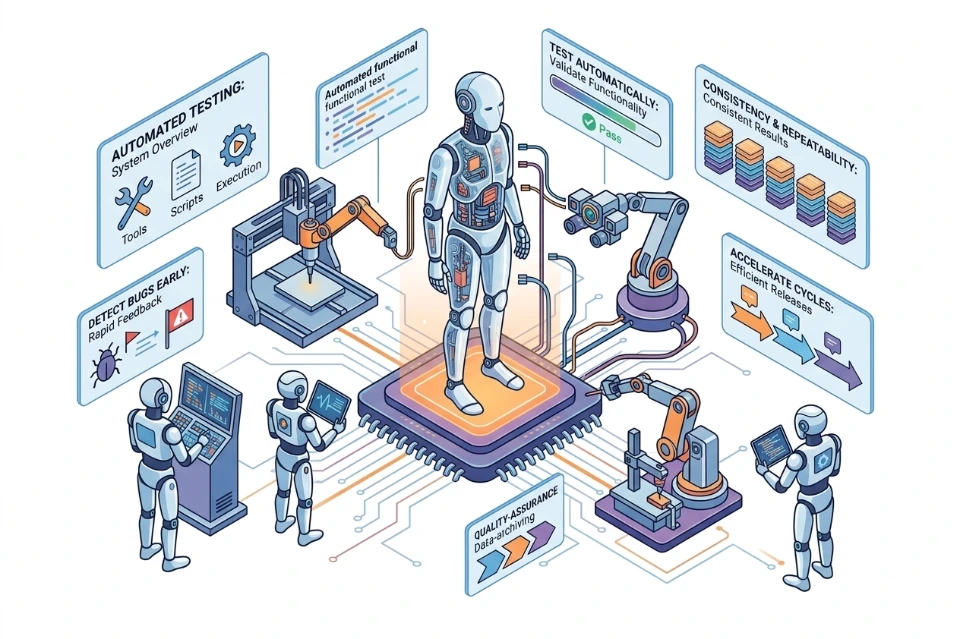
الاختبار الآلي
اختبار الأنظمة تلقائيًا
يستخدم الاختبار الآلي أدوات ونصوص لتنفيذ الاختبارات دون تدخل يدوي، مما يضمن نتائج متسقة وقابلة للتكرار. يساعد الفرق على التحقق بسرعة من الوظائف، واكتشاف الأخطاء مبكرًا، وتحسين الكفاءة العامة. من خلال دمج الاختبارات الآلية في خطوط تطوير البرمجيات، يمكن للمنظمات تسريع دورات الإصدار مع الحفاظ على معايير الجودة العالية عبر التطبيقات.
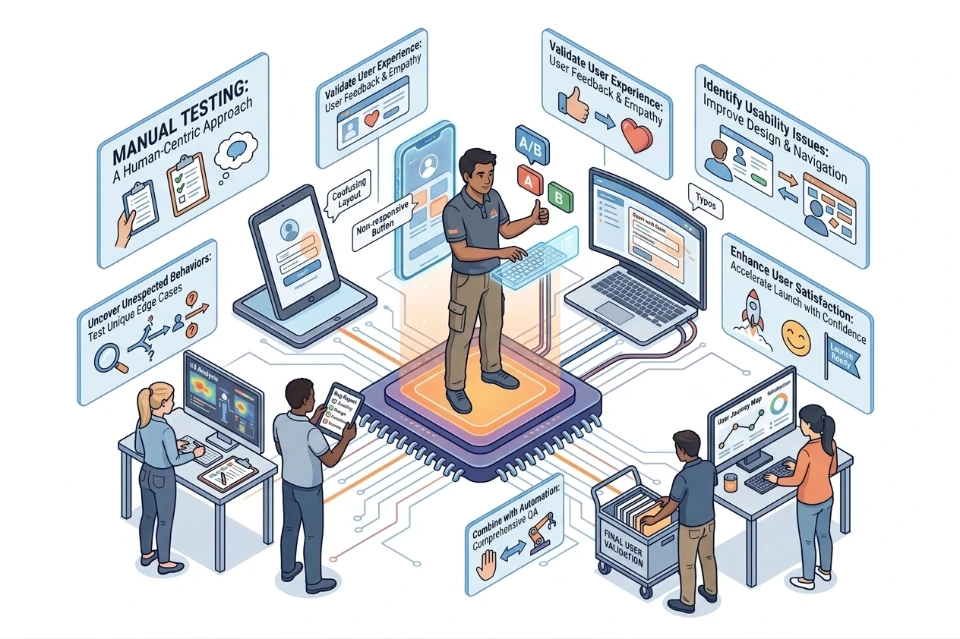
الاختبار اليدوي
تحقق من تجربة المستخدم
يتضمن الاختبار اليدوي مختبرين بشريين يقومون بتقييم التطبيقات لتحديد مشكلات الاستخدام، وعيوب التصميم، والسلوكيات غير المتوقعة. يلعب دورًا حاسمًا في فهم تفاعلات المستخدمين الحقيقية التي قد تتجاهلها الاختبارات الآلية. يضمن دمج الاختبار اليدوي مع العمليات الآلية نهجًا شاملاً لضمان الجودة يعزز رضا المستخدمين بشكل عام.
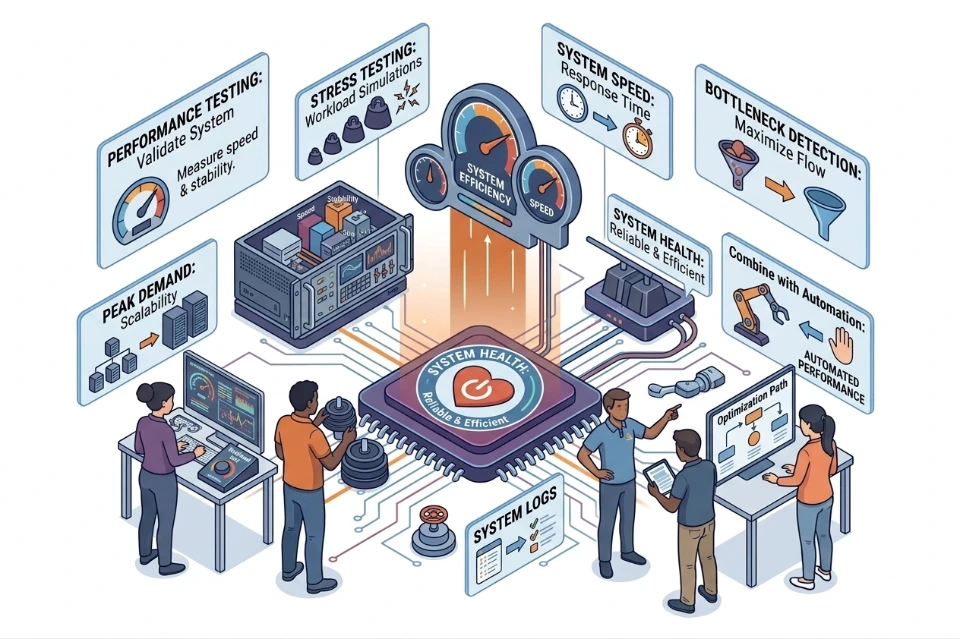
اختبار الأداء
قياس أداء النظام
يقيم اختبار الأداء كيفية تصرف التطبيقات تحت أحمال عمل وظروف ضغط مختلفة. يساعد في تحديد نقاط الاختناق، وتحسين سرعة النظام، وضمان قابلية التوسع. من خلال محاكاة سيناريوهات الاستخدام في العالم الحقيقي، يمكن للمنظمات التأكد من أن أنظمتها تظل سريعة الاستجابة، ومستقرة، وفعالة حتى خلال ذروة الطلب.
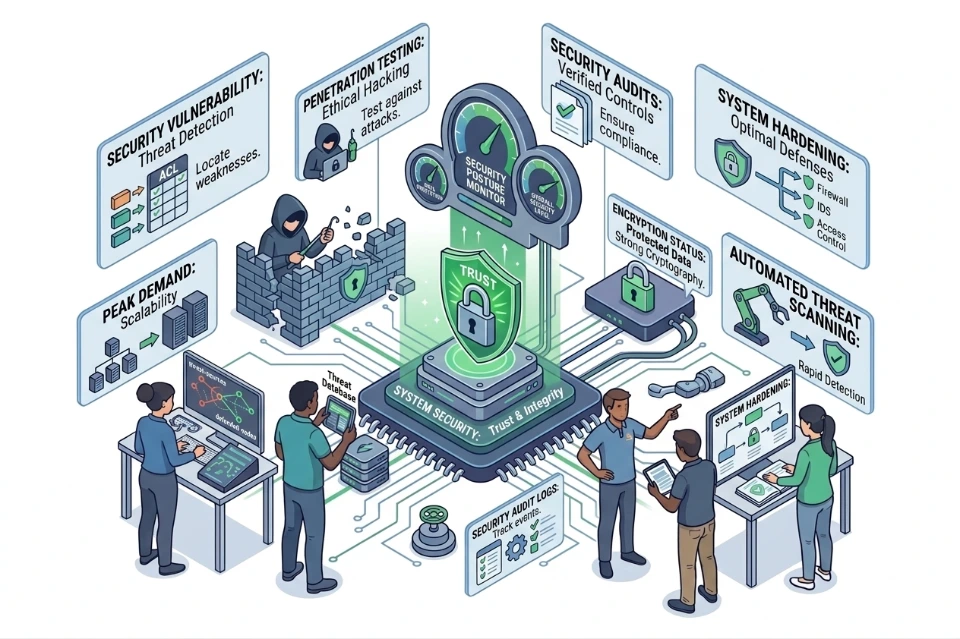
اختبار الأمان
تحديد ثغرات الأمان
يركز اختبار الأمان على اكتشاف نقاط الضعف التي قد تعرض الأنظمة للتهديدات السيبرانية. يشمل تقييمات الثغرات، واختبار الاختراق، وتدقيق الأمان لضمان حماية التطبيقات من الهجمات المحتملة. تساعد ممارسات اختبار الأمان القوية في حماية البيانات الحساسة والحفاظ على الثقة في المنصات الرقمية.
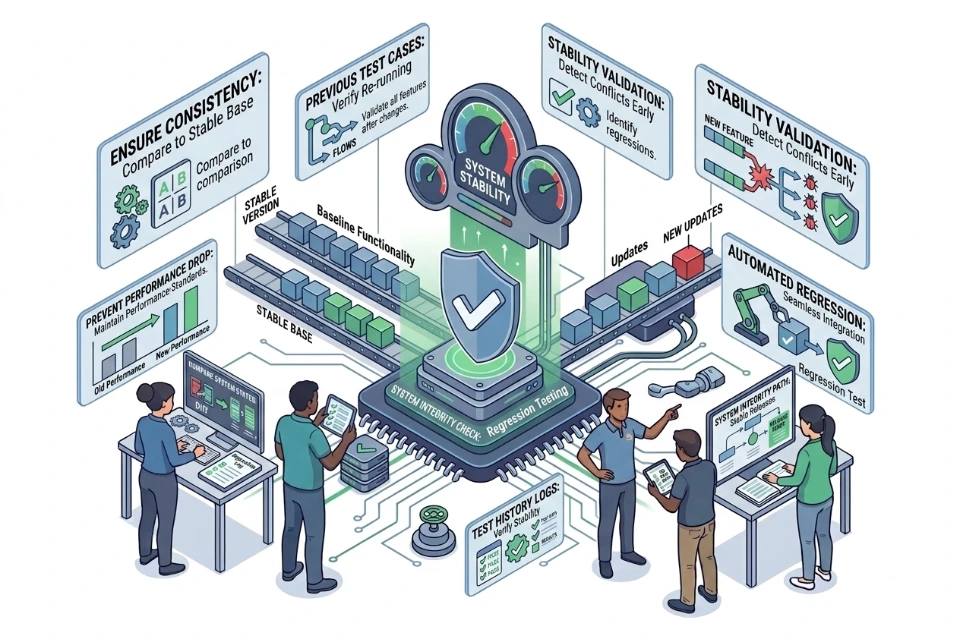
اختبار الانحدار
ضمان عدم كسر التحديثات للأنظمة
يؤكد اختبار الانحدار أن التحديثات أو التغييرات الجديدة لا تؤثر سلبًا على الوظائف الحالية. من خلال إعادة تشغيل حالات الاختبار السابقة، يمكن للفرق التأكد من استقرار النظام بعد التعديلات. هذه العملية ضرورية للحفاظ على الاتساق ومنع الأخطاء الجديدة من التأثير على الأداء العام للتطبيق.

تتبع الأخطاء وحل المشكلات
تتبع الأخطاء
وحل المشكلات التقنية
Bug Tracking and Issue Resolution constitute the rigorous defensive layer of the software development lifecycle, ensuring that every digital product meets the highest standards of functional integrity and performance. Rather than acting as a merely reactive measure, effective Quality Assurance (QA) is a structured, proactive discipline that utilizes sophisticated tracking systems to capture, document, and categorize discrepancies with granular precision.
يشكل تتبع الأخطاء وحل المشكلات طبقة دفاعية صارمة في دورة حياة تطوير البرمجيات، مما يضمن تلبية كل منتج رقمي لأعلى معايير السلامة الوظيفية والأداء. بدلاً من كونه مجرد إجراء تفاعلي، يعد ضمان الجودة (QA) تخصصاً استباقياً ومنظماً يستخدم أنظمة تتبع متطورة لرصد وتوثيق الفجوات البرمجية بدقة متناهية.
By monitoring the entire lifecycle of an issue—from initial detection to verified resolution—organizations can cultivate a culture of continuous improvement. This systematic approach transforms potential obstacles into documented insights, building a foundation of trust and reliability that defines a truly superior and resilient digital product.
من خلال مراقبة دورة حياة المشكلة بالكامل — من الاكتشاف الأولي إلى الحل المعتمد — يمكن للمؤسسات تعزيز ثقافة التحسين المستمر. يحول هذا النهج المنهجي العقبات المحتملة إلى رؤى موثقة، مما يبني أساساً من الثقة والاعتمادية التي تميز المنتجات الرقمية المتفوقة والمرنة.
Bug Tracking &
Issue Resolution
تتبع الأخطاء
وحل المشكلات التقنية
Bug Tracking and Issue Resolution constitute the rigorous defensive layer of the software development lifecycle, ensuring that every digital product meets the highest standards of functional integrity and performance. Rather than acting as a merely reactive measure, effective Quality Assurance (QA) is a structured, proactive discipline that utilizes sophisticated tracking systems to capture, document, and categorize discrepancies with granular precision.
يشكل تتبع الأخطاء وحل المشكلات طبقة دفاعية صارمة في دورة حياة تطوير البرمجيات، مما يضمن تلبية كل منتج رقمي لأعلى معايير السلامة الوظيفية والأداء. بدلاً من كونه مجرد إجراء تفاعلي، يعد ضمان الجودة (QA) تخصصاً استباقياً ومنظماً يستخدم أنظمة تتبع متطورة لرصد وتوثيق الفجوات البرمجية بدقة متناهية.
By monitoring the entire lifecycle of an issue—from initial detection to verified resolution—organizations can cultivate a culture of continuous improvement. This systematic approach transforms potential obstacles into documented insights, building a foundation of trust and reliability that defines a truly superior and resilient digital product.
من خلال مراقبة دورة حياة المشكلة بالكامل — من الاكتشاف الأولي إلى الحل المعتمد — يمكن للمؤسسات تعزيز ثقافة التحسين المستمر. يحول هذا النهج المنهجي العقبات المحتملة إلى رؤى موثقة، مما يبني أساساً من الثقة والاعتمادية التي تميز المنتجات الرقمية المتفوقة والمرنة.
الاختبار المستمر في التطوير
الاختبار المستمر
أثناء التطوير
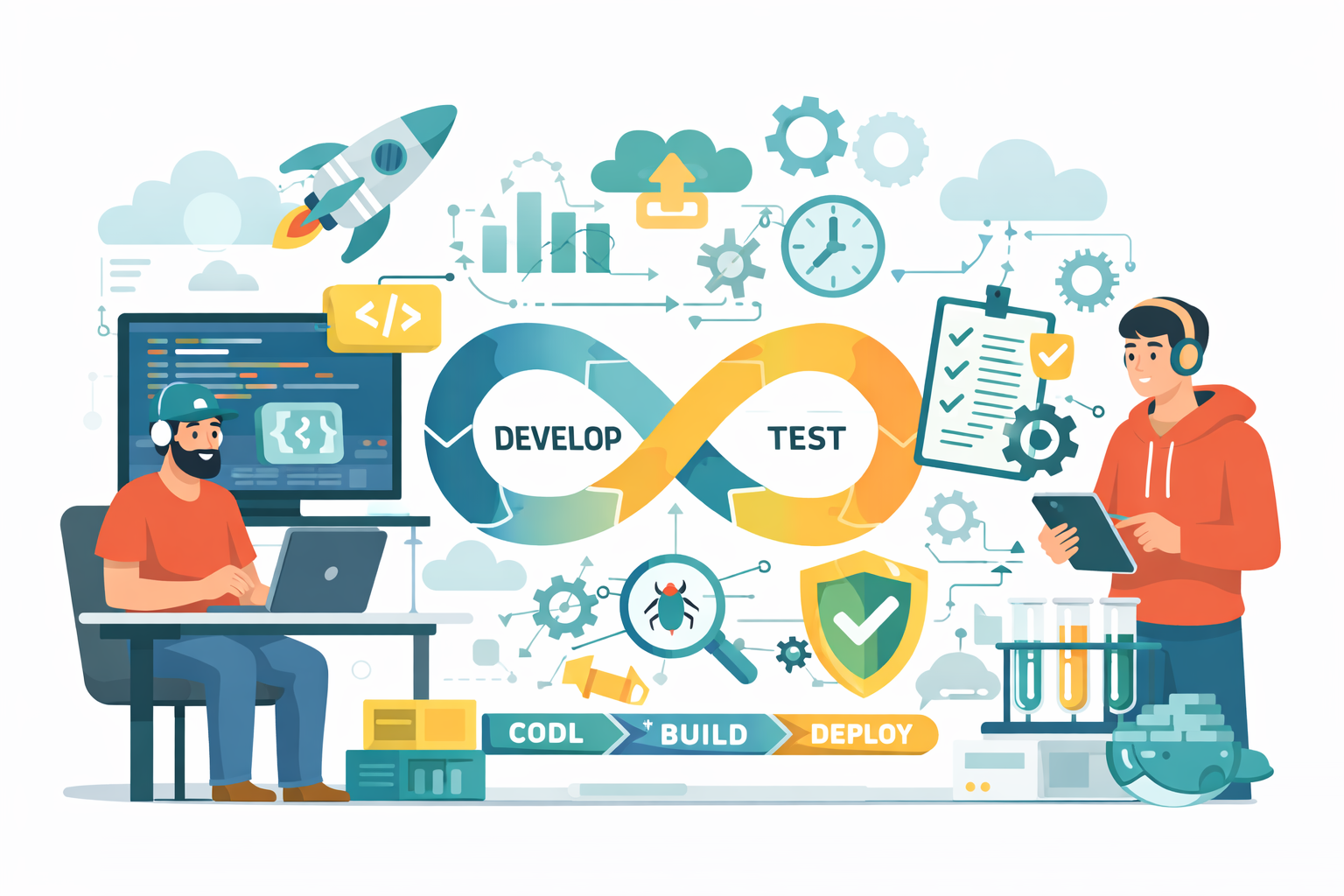
Continuous Testing represents a fundamental shift from traditional quality assurance toward integrated, real-time validation. By adopting a "shift-left" philosophy, we ensure that every line of code is subjected to automated validation at the earliest possible stage, allowing for the immediate detection of discrepancies before they propagate through the system.
يمثل الاختبار المستمر تحولاً جوهرياً من ضمان الجودة التقليدي إلى التحقق المتكامل في الوقت الفعلي. من خلال تبني فلسفة "الإزاحة لليسار"، نضمن خضوع كل سطر برمجي للتحقق الآلي في أبكر مرحلة ممكنة، مما يسمح بالاكتشاف الفوري للتعارضات قبل انتشارها في النظام.
This systematic rigor does more than just prevent functional regressions; it enhances the overall resilience of the digital product. By treating quality as an ongoing architectural requirement, development teams maintain high-velocity output while mitigating technical debt and delivering superior user experiences with absolute infrastructure confidence.
تتجاوز هذه الدقة المنهجية مجرد منع التراجع في الوظائف؛ فهي تعزز المرونة العامة للمنتج الرقمي. من خلال التعامل مع الجودة كمتطلب معماري مستمر، تحافظ فرق التطوير على إنتاجية عالية السرعة مع تقليل الديون التقنية وتقديم تجارب مستخدم متميزة.
الاختبار المستمر في التطوير
الاختبار المستمر
أثناء التطوير
Continuous Testing represents a fundamental shift from traditional quality assurance toward integrated, real-time validation. By adopting a "shift-left" philosophy, we ensure that every line of code is subjected to automated validation at the earliest possible stage, allowing for the immediate detection of discrepancies before they propagate through the system.
يمثل الاختبار المستمر تحولاً جوهرياً من ضمان الجودة التقليدي إلى التحقق المتكامل في الوقت الفعلي. من خلال تبني فلسفة "الإزاحة لليسار"، نضمن خضوع كل سطر برمجي للتحقق الآلي في أبكر مرحلة ممكنة، مما يسمح بالاكتشاف الفوري للتعارضات قبل انتشارها في النظام.
This systematic rigor does more than just prevent functional regressions; it enhances the overall resilience of the digital product. By treating quality as an ongoing architectural requirement, development teams maintain high-velocity output while mitigating technical debt and delivering superior user experiences with absolute infrastructure confidence.
تتجاوز هذه الدقة المنهجية مجرد منع التراجع في الوظائف؛ فهي تعزز المرونة العامة للمنتج الرقمي. من خلال التعامل مع الجودة كمتطلب معماري مستمر، تحافظ فرق التطوير على إنتاجية عالية السرعة مع تقليل الديون التقنية وتقديم تجارب مستخدم متميزة.
ما يمكننا القيام به من أجلك
نقوم بتنفيذ أساليب اختبار منهجية لضمان أن تطبيقك موثوق وخالٍ من الأخطاء.
نحن نتحقق من ميزات النظام ونتأكد من أن جميع المكونات تعمل معًا بسلاسة.
نحاكي رحلات المستخدم الحقيقية للتحقق من سير العمل الكامل وتفاعلات المستخدم.
نقوم بأتمتة الاختبارات المتكررة لتحسين السرعة والدقة والاتساق في عمليات ضمان الجودة.
نقيّم قابلية الاستخدام والتصميم وتجربة المستخدم من خلال اختبارات يدوية مفصلة.
نختبر سرعة النظام واستقراره وقابليته للتوسع لضمان الأداء تحت ضغط الطلب العالي.
تواصل معنا اليوم!
شركتي
- مبنى غرهود فيوز - الطابق السابع - المكتب 711-01 دبي، الإمارات العربية المتحدة
- +971509862203
- +971509862239
- info@itdtech.ae