
أشياء يجب معرفتها عن

Mobile-First Approach
Design starts with mobile for optimal experiences.

User Experience Focus
Interfaces are optimized for touch and small screens.

Performance Optimization
Lightweight design improves speed and responsiveness.

Progressive Enhancement
Start simple, then enhance for larger devices.

Simplified Design
Focus on essential content and clean interfaces.

Business Advantage
Improves engagement and overall performance.
نهج الموبايل أولاً
يبدأ التصميم بالموبايل لضمان أفضل تجربة.
التركيز على تجربة المستخدم
الواجهات مصممة للمس والشاشات الصغيرة.
تحسين الأداء
التصميم الخفيف يحسّن السرعة والاستجابة.
التحسين التدريجي
ابدأ بسيطًا ثم أضف الميزات للأجهزة الأكبر.
تصميم مبسط
التركيز على المحتوى الأساسي وواجهة نظيفة.
ميزة للأعمال
يحسّن التفاعل والأداء العام.
Mobile-First Approach
Design starts with mobile for optimal experiences.
User Experience Focus
Interfaces are optimized for touch and small screens.
Performance Optimization
Lightweight design improves speed and responsiveness.
Progressive Enhancement
Start simple, then enhance for larger devices.
Simplified Design
Focus on essential content and clean interfaces.
Business Advantage
Improves engagement and overall performance.
نهج الموبايل أولاً
يبدأ التصميم بالموبايل لضمان أفضل تجربة.
التركيز على تجربة المستخدم
الواجهات مصممة للمس والشاشات الصغيرة.
تحسين الأداء
التصميم الخفيف يحسّن السرعة والاستجابة.
التحسين التدريجي
ابدأ بسيطًا ثم أضف الميزات للأجهزة الأكبر.
تصميم مبسط
التركيز على المحتوى الأساسي وواجهة نظيفة.
ميزة للأعمال
يحسّن التفاعل والأداء العام.
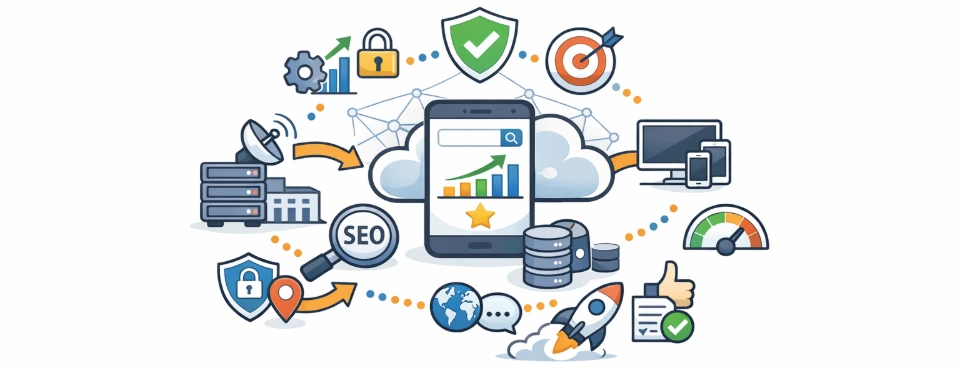
تحسين محركات البحث للهاتف المحمول
تحسين البحث على الهواتف المحمولة يضمن رؤية أفضل وترتيب أعلى في نتائج محركات البحث.
فهرسة صديقة للهواتف المحمولة
تفضل محركات البحث النسخ المحمولة من المواقع لفهرستها وترتيبها.
بيانات وصفية محسّنة
العناوين والأوصاف والبيانات المنظمة مصممة لرؤية أفضل في البحث على الهواتف المحمولة.
تحسين تجربة الصفحة
تساهم الصفحات السريعة والاستجابة وسهلة الاستخدام في تحسين أداء SEO.
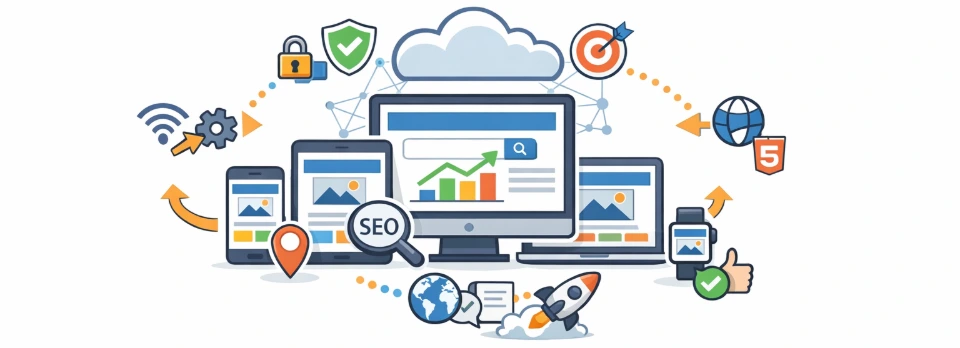
توافق عبر الأجهزة
ضمان وظيفة متسقة عبر جميع الأجهزة أمر ضروري لتطبيقات الويب الحديثة.
اختبار الأجهزة
يتم اختبار المواقع عبر أجهزة وأحجام شاشات متعددة لضمان التوافق.
تحسين المتصفح
يدعم مجموعة متنوعة من متصفحات الهواتف المحمولة لضمان تجربة سلسة لجميع المستخدمين.
سلوك واجهة المستخدم المتسق
تظل التصميمات والوظائف موحدة عبر منصات وأجهزة مختلفة.
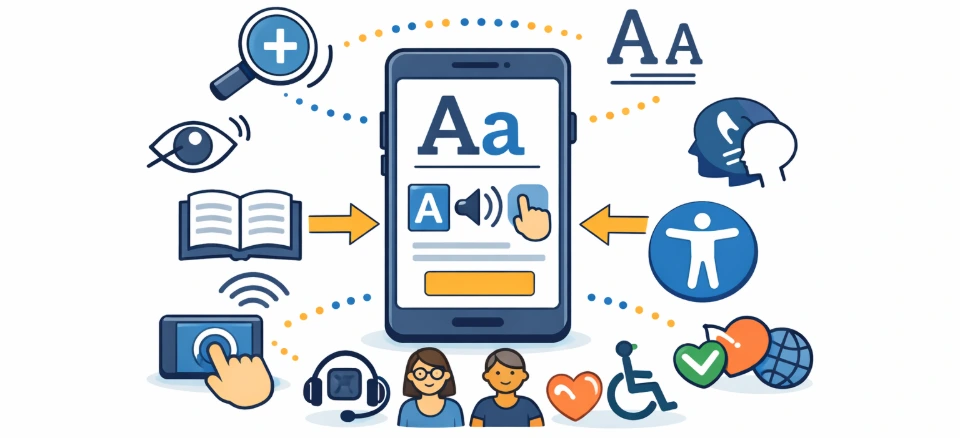
معايير الوصول للهواتف المحمولة
يضمن التصميم القابل للوصول أن جميع المستخدمين، بما في ذلك ذوي الإعاقة، يمكنهم التفاعل مع موقعك بفعالية.
محتوى قابل للقراءة
تم تحسين النص للقراءة على الشاشات الصغيرة مع الحجم والتباين المناسبين.
سهولة الوصول باللمس
تم تصميم الأزرار والعناصر التفاعلية لتسهيل التفاعل باللمس.
تصميم شامل
تضمن ممارسات الوصول إمكانية الاستخدام لجمهور أوسع.
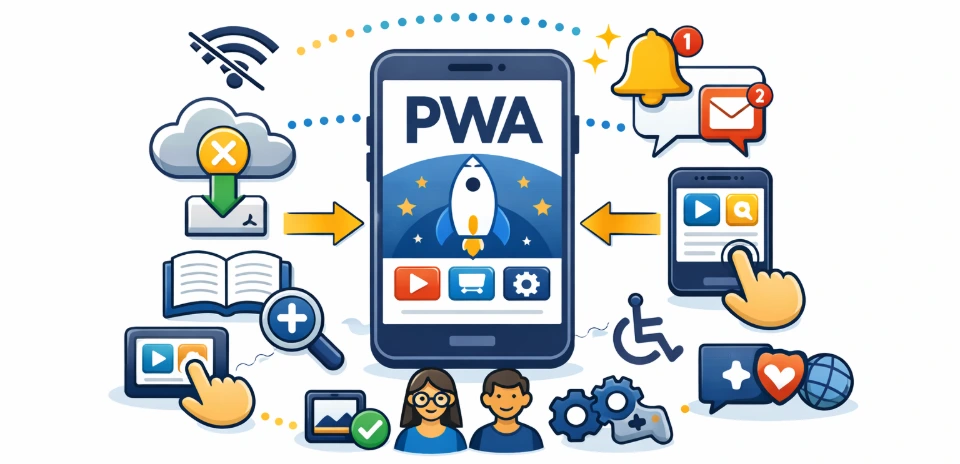
تطبيقات الويب التقدمية (PWA)
تعزز تطبيقات الويب التقدمية (PWAs) تجارب الهواتف المحمولة من خلال دمج وظائف الويب والتطبيقات.
وظائف غير متصلة بالإنترنت
يمكن للمستخدمين الوصول إلى ميزات معينة حتى بدون اتصال بالإنترنت.
تجربة شبيهة بالتطبيقات
تتصرف المواقع الإلكترونية مثل تطبيقات الهواتف المحمولة مع تنقل سلس وتفاعلات سريعة.
إشعارات الدفع
تفاعل مع المستخدمين من خلال تحديثات وإشعارات في الوقت الحقيقي.
تحليلات ورؤى الهواتف المحمولة
فهم سلوك المستخدمين على الأجهزة المحمولة يساعد في تحسين الأداء والتفاعل.
تتبع سلوك المستخدمين
تحليل كيفية تفاعل المستخدمين مع واجهات الهواتف المحمولة لتحسين التجربة.
مراقبة الأداء
تتبع أوقات التحميل، والاستجابة، والمشكلات الخاصة بالهواتف المحمولة.
تحسينات مدفوعة بالبيانات
استخدام الرؤى لتعزيز قابلية الاستخدام والتفاعل على الهواتف المحمولة باستمرار.
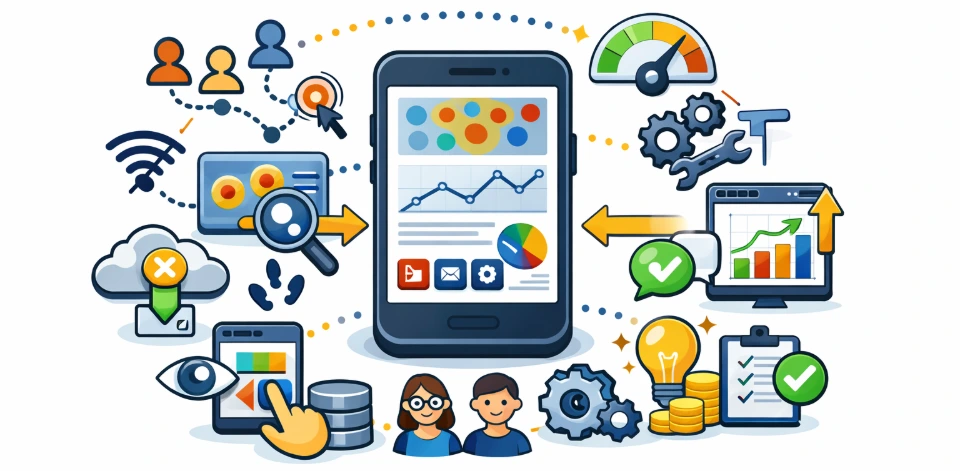
ما يمكننا القيام به من أجلك
يضمن التصميم المتجاوب أن يبدو نظامك ويعمل بشكل مثالي على أي شاشة، من الهاتف الذكي في الميدان إلى شاشة 4K في المكتب. يستخدم الشبكات السائلة واستعلامات الوسائط لإعادة ترتيب العناصر تلقائيًا بناءً على دقة الجهاز.
تستخدم أنظمة التخطيط التكيفية قوالب ثابتة محددة مسبقًا "تلتصق" في مكانها بناءً على الجهاز المكتشف. على عكس التصميم المتجاوب السائل، الذي يتمدد، تقوم الأنظمة التكيفية بتحميل تخطيط محدد ومحسن لحجم شاشة المستخدم بالضبط.
تحسين السرعة هو عملية زيادة معدل معالجة النظام للطلبات وتقديم البيانات للمستخدم. في عام 2026، حيث يمكن أن يؤثر حتى تأخير 100 مللي ثانية على احتفاظ المستخدم، فإنه يعد أساس تجربة رقمية احترافية.
إدارة الموارد بكفاءة هي الإدارة الاستراتيجية لأصول النظام—مثل وحدة المعالجة المركزية، والذاكرة (RAM)، وعرض النطاق الترددي—لمنع الأعطال وتقليل التكاليف التشغيلية. يضمن أن يظل خادمك مستقرًا حتى عندما يقوم عدة مستخدمين بمعالجة تقارير ثقيلة أو مزامنة مخزون كبير في نفس الوقت.
تعطي الواجهات سهلة الاستخدام الأولوية للوضوح والكفاءة وسهولة الوصول. إنها تسد الفجوة بين المنطق الخلفي المعقد—مثل الرواتب النسبية أو بيانات MRP—والشخص الذي يستخدم الشاشة فعليًا.
تركز تجربة المستخدم المحسنة (UX) على الرحلة العاطفية والوظيفية للشخص الذي يستخدم نظامًا. إنها تتجاوز مجرد المظهر الجيد؛ إنها تتعلق بجعل المهام المعقدة—مثل إدارة قوانين العمل في الإمارات العربية المتحدة أو سير عمل تصنيع المعادن—تشعر بأنها سهلة.

دعونا نتواصل اليوم!
شركتي
- مبنى غرهود فيوز - الطابق السابع - المكتب 711-01 دبي، الإمارات العربية المتحدة
- +971509862203
- +971509862239
- info@itdtech.ae