
أشياء أساسية تحتاج إلى معرفتها

CDN Overview
CDNs distribute content across global server networks.

Global Distribution
Servers deliver content from locations near users.

Faster Performance
Reduced distance improves speed and load times.

Content Caching
Cached files reduce repeated server requests.

Efficient Delivery
Content is served from the closest available server.

Business Benefits
Improves UX, scalability, and search visibility.
لمحة عن شبكات CDN
شبكات CDN توزع المحتوى عبر شبكات خوادم عالمية.
التوزيع العالمي
الخوادم تقدّم المحتوى من مواقع قريبة من المستخدمين.
أداء أسرع
المسافة الأقصر تحسّن السرعة وأوقات التحميل.
تخزين المحتوى مؤقتًا
الملفات المؤقتة تقلّل الطلبات المتكررة.
تسليم فعّال
يتم تقديم المحتوى من أقرب خادم متاح.
فوائد للأعمال
يحسّن تجربة المستخدم وقابلية التوسع وظهور الموقع في البحث.
CDN Overview
CDNs distribute content across global server networks.
Global Distribution
Servers deliver content from locations near users.
Faster Performance
Reduced distance improves speed and load times.
Content Caching
Cached files reduce repeated server requests.
Efficient Delivery
Content is served from the closest available server.
Business Benefits
Improves UX, scalability, and search visibility.
لمحة عن شبكات CDN
شبكات CDN توزع المحتوى عبر شبكات خوادم عالمية.
التوزيع العالمي
الخوادم تقدّم المحتوى من مواقع قريبة من المستخدمين.
أداء أسرع
المسافة الأقصر تحسّن السرعة وأوقات التحميل.
تخزين المحتوى مؤقتًا
الملفات المؤقتة تقلّل الطلبات المتكررة.
تسليم فعّال
يتم تقديم المحتوى من أقرب خادم متاح.
فوائد للأعمال
يحسّن تجربة المستخدم وقابلية التوسع وظهور الموقع في البحث.
تكامل الحوسبة الطرفية
معالجة البيانات بالقرب من المستخدمين لأداء في الوقت الحقيقي
يعمل الحوسبة الطرفية جنبًا إلى جنب مع شبكات توصيل المحتوى من خلال معالجة البيانات على خوادم تقع بالقرب من المستخدمين النهائيين بدلاً من الاعتماد فقط على مراكز البيانات المركزية. هذا يقلل من زمن الانتظار بشكل كبير ويمكّن من اتخاذ قرارات أسرع للتطبيقات التي تتطلب تفاعلات في الوقت الحقيقي.
من خلال دمج توزيع شبكة توصيل المحتوى مع قدرات الحوسبة الطرفية، يمكن للشركات تقديم محتوى ديناميكي، وتشغيل السكربتات على الحافة، وتحسين الاستجابة للتطبيقات مثل البث المباشر، ومنصات الألعاب، وأنظمة إنترنت الأشياء. تضمن هذه الطريقة تنفيذًا أسرع وتجربة مستخدم أكثر سلاسة.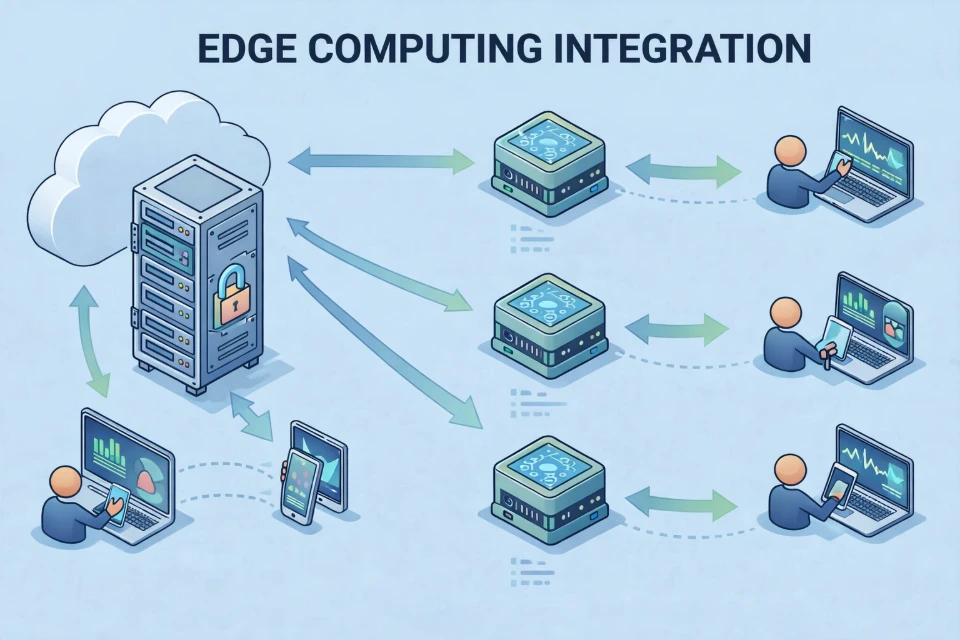
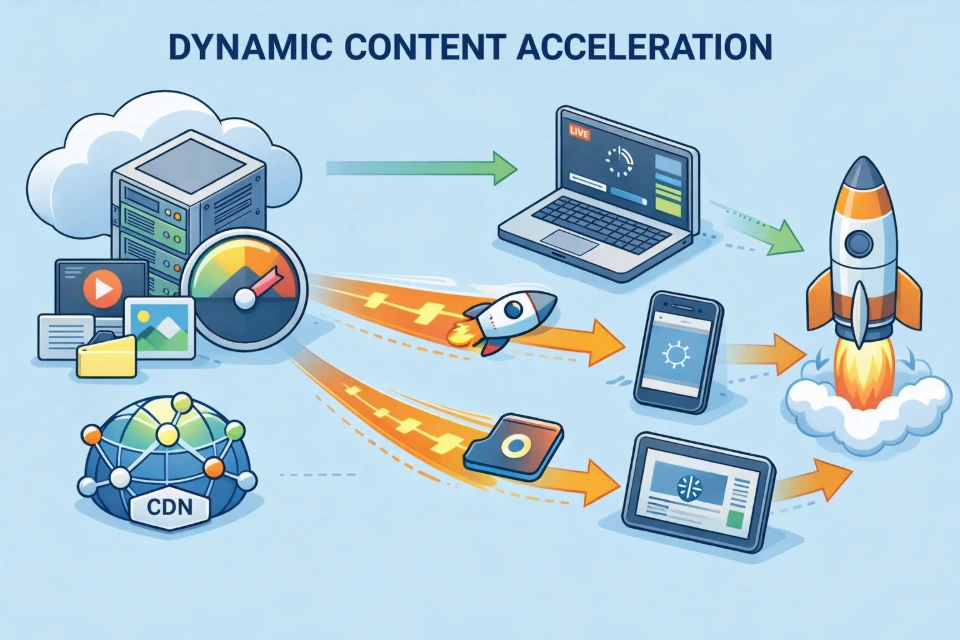
تسريع المحتوى الديناميكي
تعزيز الأداء بما يتجاوز تسليم الملفات الثابتة
بينما تُعرف شبكات توصيل المحتوى تقليديًا بتخزين المحتوى الثابت، فإن حلول شبكة توصيل المحتوى الحديثة تعمل أيضًا على تحسين تسليم المحتوى الديناميكي. تساعد تقنيات مثل تحسين المسار، وتسريع بروتوكول التحكم في الإرسال، ومعالجة الطلبات الذكية في تسريع استجابة الخوادم.
يضمن ذلك تسليم المحتوى المخصص، واستجابات واجهة برمجة التطبيقات، والصفحات المدفوعة بقاعدة البيانات بسرعة وكفاءة. ونتيجة لذلك، يختبر المستخدمون أداءً متسقًا حتى عند التفاعل مع تطبيقات الويب المعقدة أو الخدمات في الوقت الحقيقي.
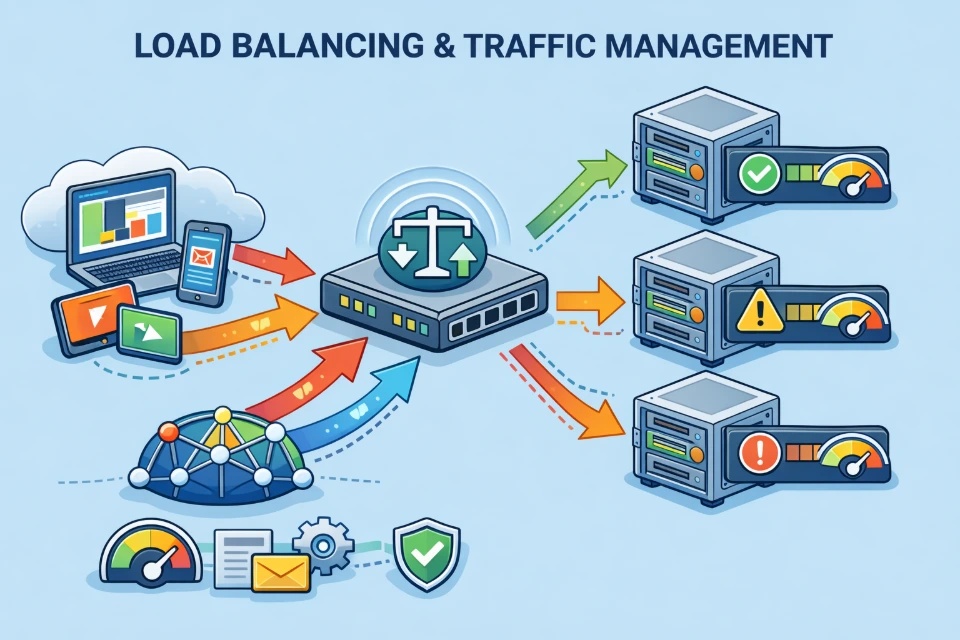
توازن الحمل وإدارة المرور
توزيع المرور بذكاء عبر الخوادم
تدمج شبكات توصيل المحتوى تقنيات متقدمة لتوازن الحمل لإدارة حركة المرور الواردة عبر عدة خوادم. يمنع ذلك أي خادم واحد من أن يصبح مثقلاً ويضمن أداءً مستقرًا خلال ذروة حركة المرور.
يتم توجيه حركة المرور تلقائيًا بناءً على صحة الخادم والموقع والتوافر، مما يعزز الموثوقية ووقت التشغيل. هذه التوزيعة الذكية مهمة بشكل خاص لمواقع الويب ذات الحركة العالية، حيث تضمن أداءً سلسًا خلال فترات الذروة ومتطلبات الوصول العالمية.
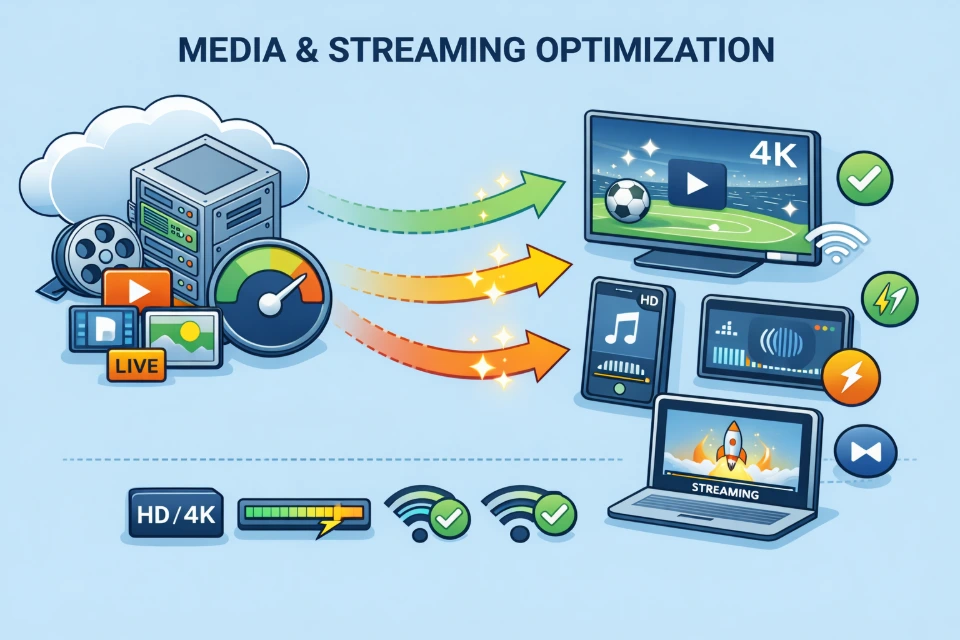
تحسين الوسائط والبث
تقديم وسائط عالية الجودة مع الحد الأدنى من التخزين المؤقت
تلعب شبكات توصيل المحتوى (CDNs) دورًا حاسمًا في تحسين تسليم الوسائط، بما في ذلك الفيديو والصوت وملفات الصور الكبيرة. تستخدم تقنيات البث المتكيف وضغط البيانات الفعالة لضمان تشغيل سلس عبر أجهزة وشبكات مختلفة.
هذا مهم بشكل خاص للمنصات التي تعتمد على خدمات البث، والدورات التدريبية عبر الإنترنت، أو مكتبات الوسائط الرقمية. من خلال تقليل التخزين المؤقت وتحسين جودة التشغيل، تعزز شبكات توصيل المحتوى تفاعل المستخدمين ورضاهم.
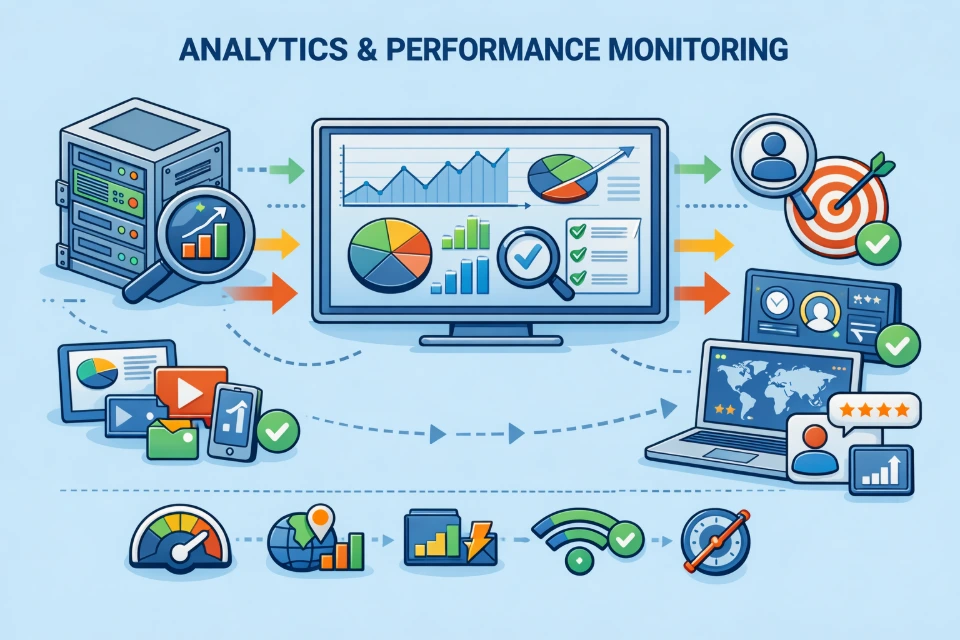
التحليلات ومراقبة الأداء
الحصول على رؤى حول تسليم المحتوى وسلوك المستخدمين
توفر منصات CDN الحديثة تحليلات مفصلة وأدوات مراقبة الأداء في الوقت الحقيقي. تساعد هذه الرؤى الشركات على فهم أنماط الحركة، ومواقع المستخدمين، وأداء المحتوى، والاختناقات المحتملة.
مع هذه البيانات، يمكن للمنظمات اتخاذ قرارات مستنيرة لتحسين استراتيجيات تسليم المحتوى، وتحسين البنية التحتية، وتعزيز الأداء العام لمواقع الويب. تضمن المراقبة المستمرة بقاء الأنظمة فعالة وآمنة ومتوافقة مع توقعات المستخدمين.
ماذا يمكننا أن نفعل من أجلك
نضمن بقاء موقعك الإلكتروني متصلًا بالإنترنت من خلال أنظمة احتياطية وآليات فشل تلقائية.
نقلل من انقطاع الخدمة من خلال توزيع حركة المرور عبر عدة خوادم لضمان الموثوقية.
نحمي منصتك من الهجمات باستخدام أمان متقدم قائم على شبكة توصيل المحتوى وتصفية حركة المرور.
نقوم بتنفيذ جدران نارية، ونقل بيانات آمن، ومراقبة لحماية تطبيقات الويب الخاصة بك.
نقوم بتوصيل محتواك بكفاءة في جميع أنحاء العالم، مما يضمن وصولًا سريعًا للمستخدمين في أي موقع.
نقوم بنشر حلول شبكة توصيل المحتوى التي تتوسع تلقائيًا للتعامل مع حركة المرور المتزايدة والطلب العالمي.

تواصل معنا اليوم!
شركتي
- مبنى غرهود فيوز - الطابق السابع - المكتب 711-01 دبي، الإمارات العربية المتحدة
- +971509862203
- +971509862239
- info@itdtech.ae