
Core Technical Concepts
المفاهيم التقنية الأساسية

Containerization الحاويات البرمجية
Package apps with dependencies for easy deployment تجميع التطبيقات داخل حاويات معزولة لضمان بيئات متسقة

Orchestration تنسيق الحاويات
Scaling workload and ensuring system stability تنسيق الحاويات لتوزيع الأحمال وضمان استقرار الأنظمة

Automation الأتمتة
Automate processes for consistent delivery. أتمتة العمليات لضمان تسليم متسق.
Core Technical Concepts
المفاهيم التقنية الأساسية
Containerization الحاويات البرمجية
Package apps with dependencies for easy deployment تجميع التطبيقات داخل حاويات معزولة لضمان بيئات متسقة
Orchestration تنسيق الحاويات
Scaling workload and ensuring system stability تنسيق الحاويات لتوزيع الأحمال وضمان استقرار الأنظمة
Automation الأتمتة
Automate processes for consistent delivery. أتمتة العمليات لضمان تسليم متسق.
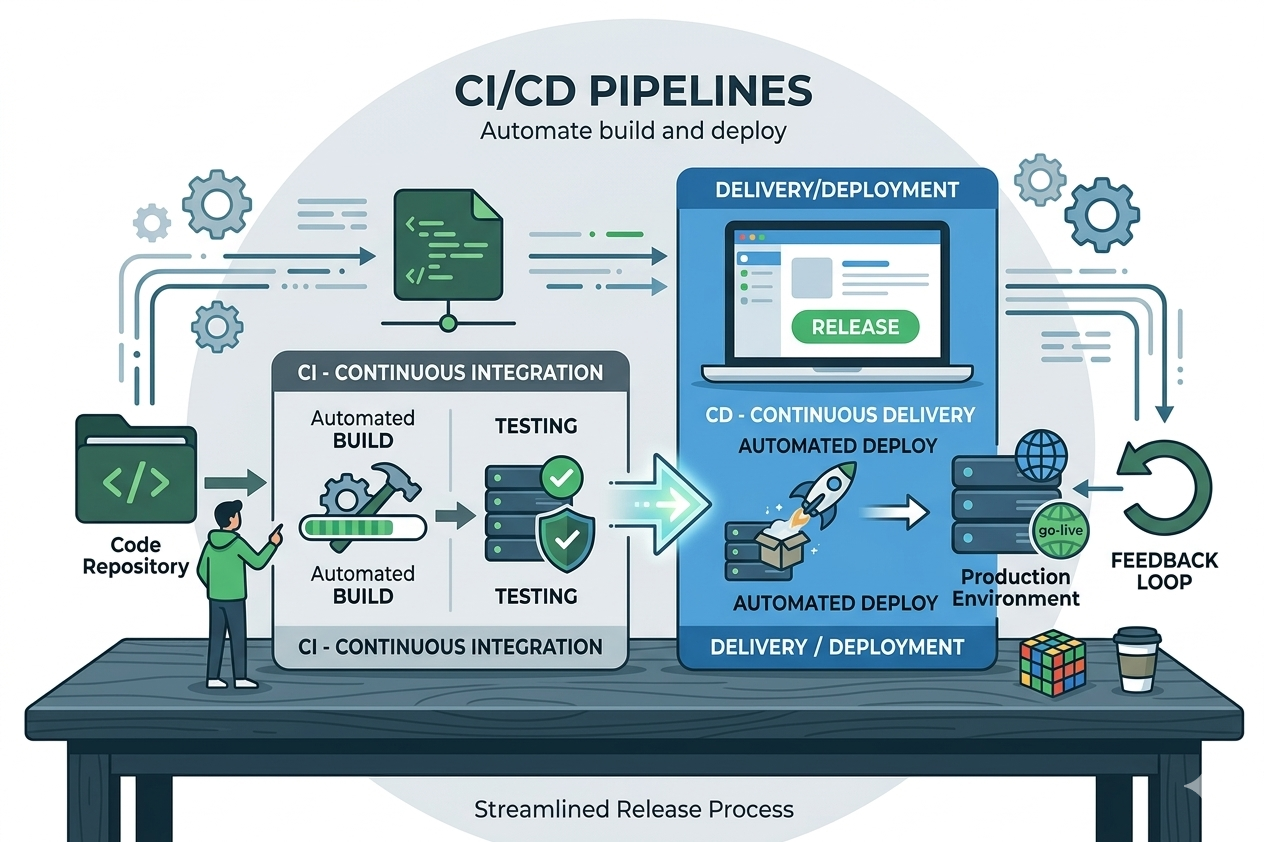
أنظمة CI/CD
أتمتة البناء والنشر.
تعمل أنظمة CI/CD (التكامل المستمر والتسليم المستمر) على تبسيط عملية بناء واختبار ونشر التطبيقات. يتم دمج كل تغيير في الكود تلقائيًا، واختباره، وإعداده للإصدار، مما يقلل من الجهد اليدوي والأخطاء البشرية. يضمن ذلك دورات تسليم أسرع، وجودة متسقة، وتغذية راجعة أسرع للمطورين. تساعد الأنظمة المنظمة جيدًا الفرق على إصدار التحديثات بشكل موثوق مع الحفاظ على استقرار النظام.
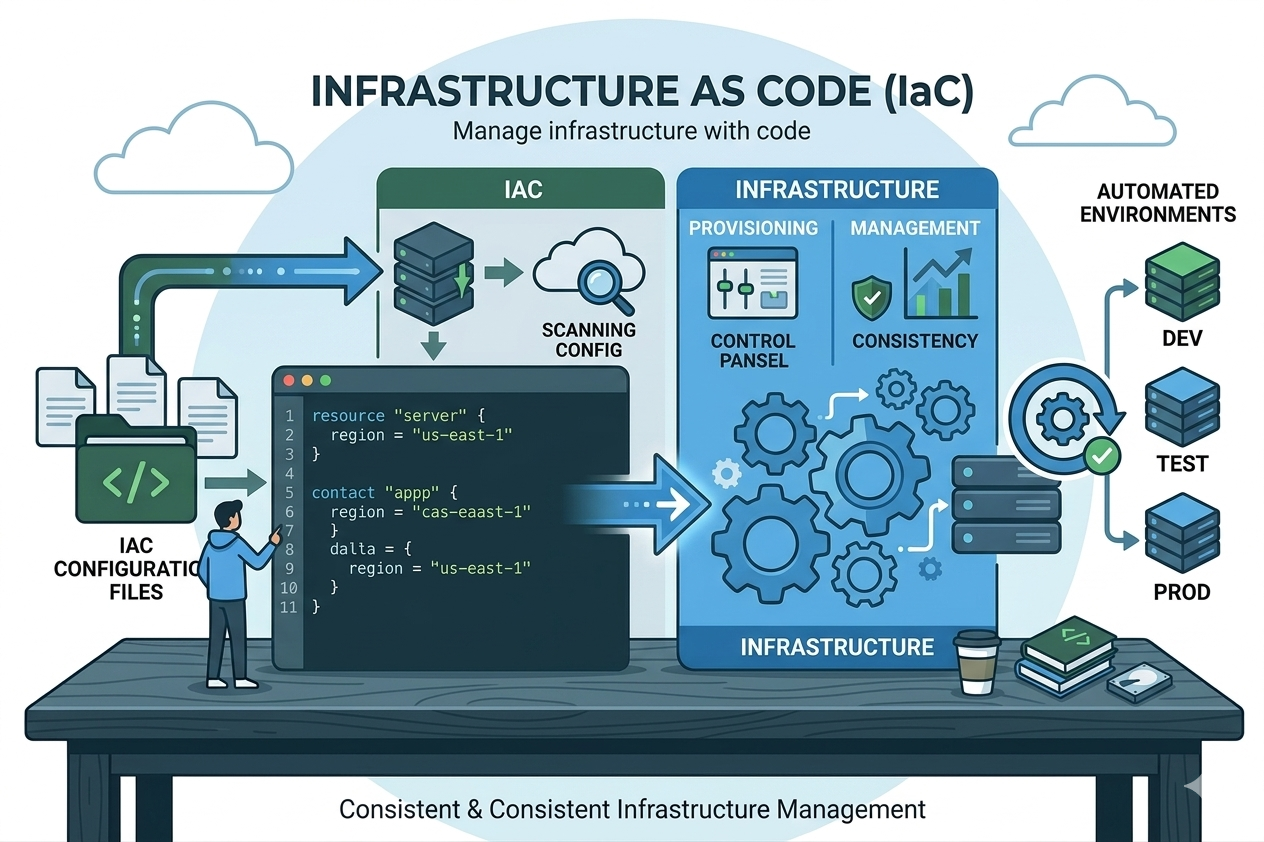
البنية التحتية ككود (IaC)
إدارة البنية التحتية باستخدام الكود.
تسمح البنية التحتية ككود للفرق بتوفير وإدارة البنية التحتية باستخدام ملفات التكوين بدلاً من الإعداد اليدوي. تضمن هذه الطريقة التناسق عبر البيئات، وتقلل من أخطاء التكوين، وتسرع من عمليات النشر. من خلال أتمتة إدارة البنية التحتية، يمكن للمنظمات توسيع الأنظمة بكفاءة والحفاظ على بيئات موثوقة للتطوير والاختبار والإنتاج.
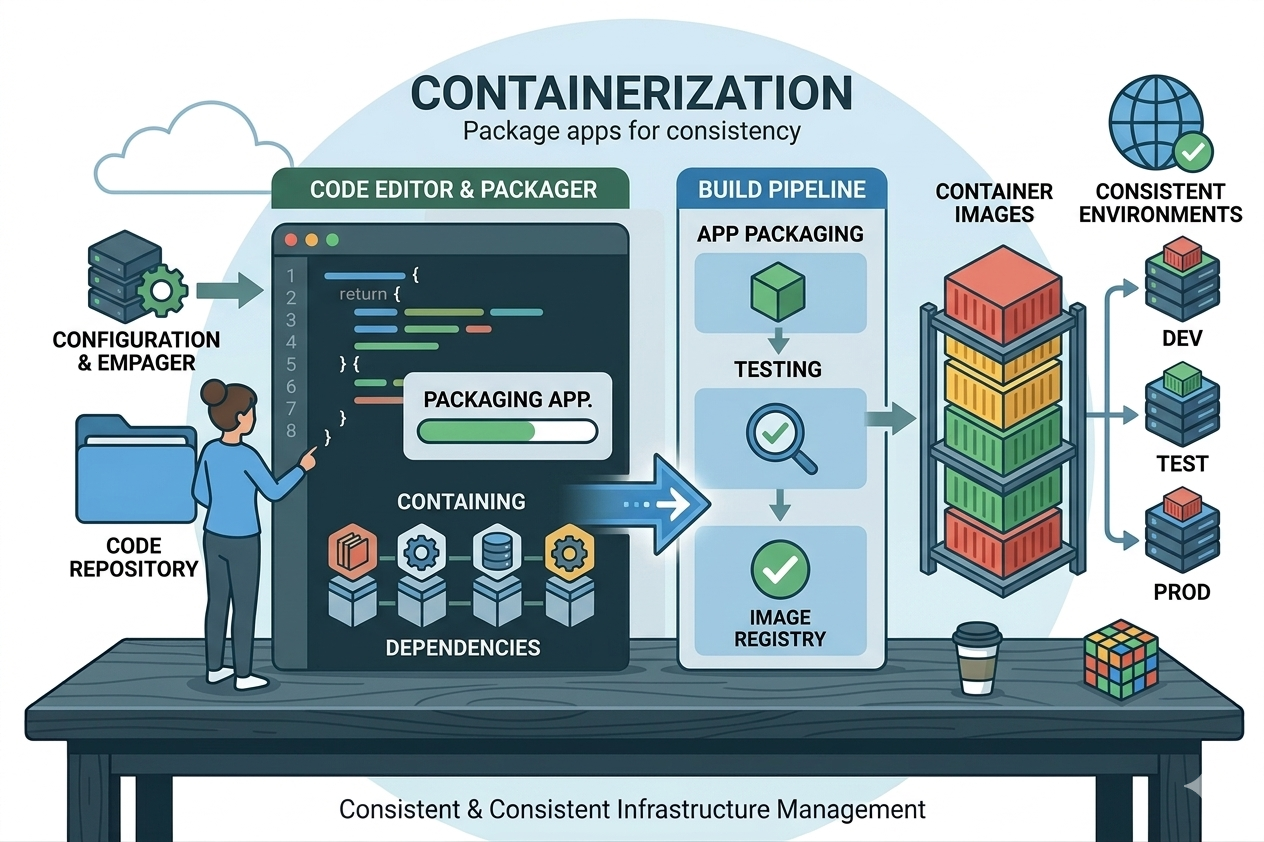
التعبئة الحاوية
تغليف التطبيقات من أجل التناسق.
تمكن التعبئة الحاوية التطبيقات من العمل بشكل متسق عبر بيئات مختلفة من خلال تغليفها مع جميع التبعيات المطلوبة. تعزل التقنيات مثل الحاويات التطبيقات، مما يضمن أنها تتصرف بنفس الطريقة في التطوير والاختبار والإنتاج. يحسن ذلك من قابلية النقل، ويقلل من مشاكل التوافق، ويسرع من النشر، مما يجعلها مكونًا رئيسيًا في ممارسات DevOps الحديثة.
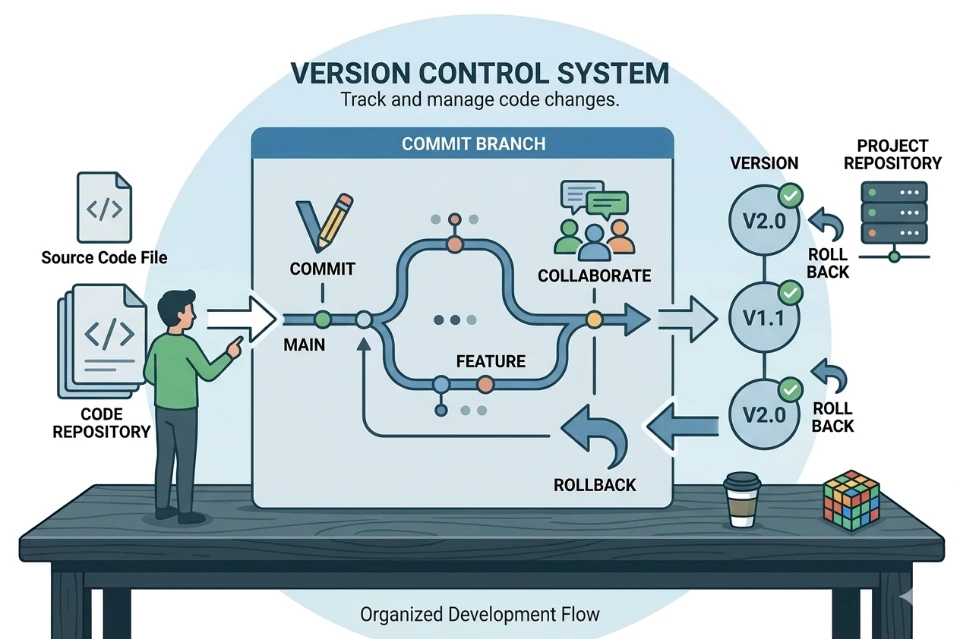
أنظمة التحكم في الإصدارات
تتبع وإدارة تغييرات الكود.
تساعد أنظمة التحكم في الإصدارات الفرق على إدارة التغييرات في الكود المصدري بمرور الوقت. تسمح للعديد من المطورين بالتعاون، وتتبع التعديلات، والعودة إلى الإصدارات السابقة عند الحاجة. يحسن ذلك من جودة الكود، ويعزز التعاون، ويضمن أن تظل عمليات التطوير منظمة وشفافة، خاصة في بيئات DevOps السريعة.
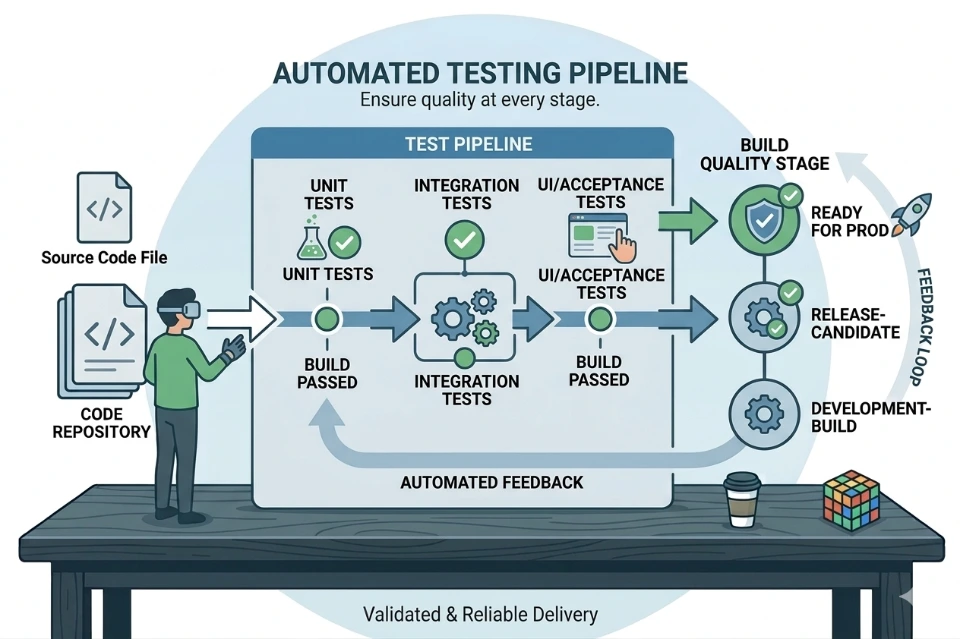
الاختبار الآلي
ضمان الجودة في كل مرحلة.
تدمج الاختبارات الآلية الاختبار في خط تطوير البرمجيات، مما يسمح بالتحقق من التطبيقات بشكل مستمر. يتم تنفيذ الاختبارات تلقائيًا كلما تم إدخال كود جديد، مما يساعد على تحديد الأخطاء مبكرًا في دورة تطوير البرمجيات. هذا يقلل من مخاطر الأخطاء في الإنتاج، ويحسن جودة البرمجيات، ويدعم إصدارات أسرع وأكثر موثوقية.
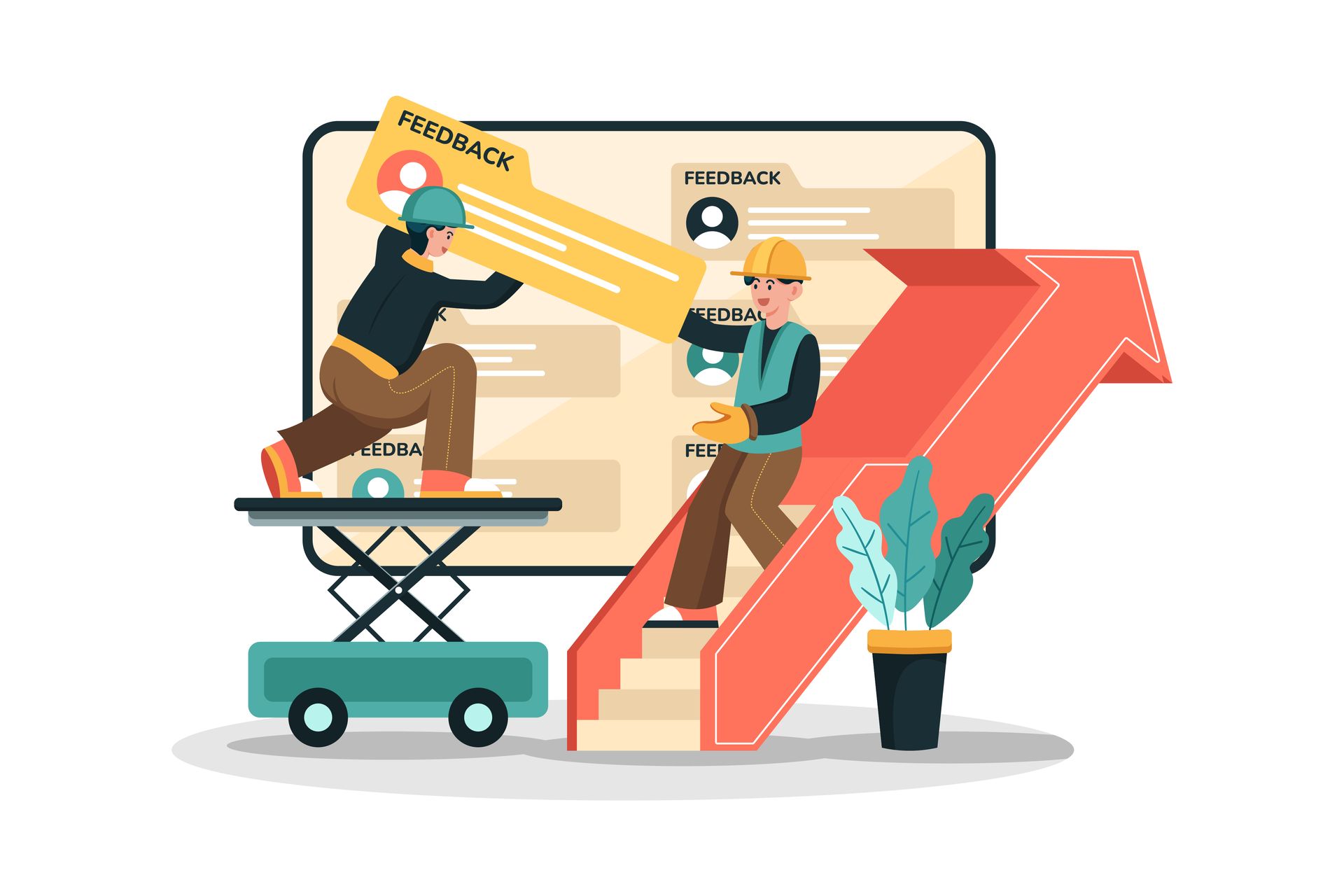
Monitoring & Continuous Improvement المراقبة والتحسين المستمر
Beyond technical oversight, holistic observability fosters operational resilience. This shift ensures potential bottlenecks are neutralized before disruptions occur, safeguarding brand reputation and user experience. بعيداً عن مجرد الإشراف التقني، تعزز المراقبة الشاملة المرونة التشغيلية. يضمن هذا التحول تحييد الاختناقات المحتملة قبل حدوث الانقطاعات، مما يحمي سمعة العلامة التجارية وتجربة المستخدم.
Monitoring & Continuous Improvement المراقبة والتحسين المستمر
Beyond technical oversight, holistic observability fosters operational resilience. This shift ensures potential bottlenecks are neutralized before disruptions occur, safeguarding brand reputation and user experience. بعيداً عن مجرد الإشراف التقني، تعزز المراقبة الشاملة المرونة التشغيلية. يضمن هذا التحول تحييد الاختناقات المحتملة قبل حدوث الانقطاعات، مما يحمي سمعة العلامة التجارية وتجربة المستخدم.
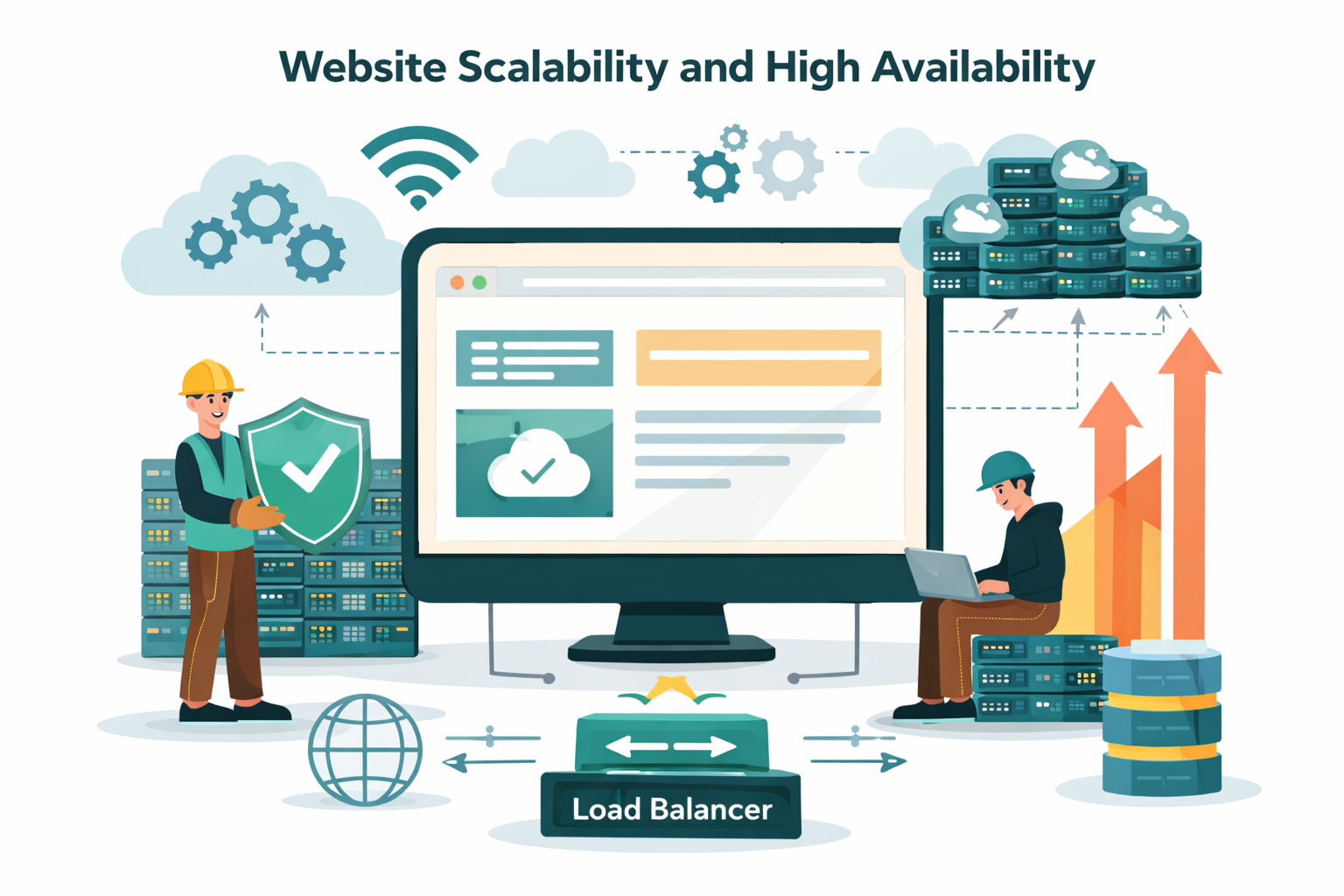
Scalability & Reliability القابلية للتوسع والموثوقية
Scalability and Reliability are the twin pillars of modern digital architecture. We ensure infrastructure expands seamlessly with growth, leveraging cloud integration to maintain peak performance regardless of traffic volume. تعد القابلية للتوسع والموثوقية الركيزتين التوأمين للهندسة الرقمية الحديثة. نحن نضمن توسع البنية التحتية بسلاسة مع النمو، مع الاستفادة من تكامل السحابة للحفاظ على ذروة الأداء بغض النظر عن حجم الحركة.
Elastic Growth نمو مرن
Applications scale efficiently without becoming a bottleneck. تتوسع التطبيقات بكفاءة دون أن تصبح عائقاً أمام الأعمال.
Zero Disruption انقطاع صفري
Updates and patches released with precision for consistency. إصدار التحديثات والتحسينات بدقة لضمان استقرار الخدمة.
Scalability & Reliability القابلية للتوسع والموثوقية
Scalability and Reliability are the twin pillars of modern digital architecture. We ensure infrastructure expands seamlessly with growth, leveraging cloud integration to maintain peak performance regardless of traffic volume. تعد القابلية للتوسع والموثوقية الركيزتين التوأمين للهندسة الرقمية الحديثة. نحن نضمن توسع البنية التحتية بسلاسة مع النمو، مع الاستفادة من تكامل السحابة للحفاظ على ذروة الأداء بغض النظر عن حجم الحركة.
Elastic Growth نمو مرن
Applications scale efficiently without becoming a bottleneck. تتوسع التطبيقات بكفاءة دون أن تصبح عائقاً أمام الأعمال.
Zero Disruption انقطاع صفري
Updates and patches released with precision for consistency. إصدار التحديثات والتحسينات بدقة لضمان استقرار الخدمة.
ماذا يمكننا أن نفعل من أجلك
نقوم بتنفيذ خطوط أنابيب التكامل المستمر والتسليم للاختبار الآلي والنشر.
نمكن من إصدار التطبيقات بسرعة وموثوقية مع عمليات نشر مبسطة.
نحن نقوم بأتمتة المهام المتكررة مثل الاختبار، والتكوين، وتحديثات النظام.
نحن نقوم بتحسين دورات الإصدار لتقليل الأخطاء وضمان التسليم المتسق.
نحن نوحد فرق التطوير والعمليات وضمان الجودة باستخدام أدوات وسير عمل مشتركة.
نحن نخلق بيئات تعاونية تحسن الإنتاجية وتسريع التطوير.
تواصل معنا اليوم!
شركتي
- مبنى غرهود فيوز - الطابق السابع - المكتب 711-01 دبي، الإمارات العربية المتحدة
- +971509862203
- +971509862239
- info@itdtech.ae