
أشياء مهمة يجب معرفتها

Database Systems
Databases store and manage structured application data.

Data Management
Efficient systems ensure fast, secure data processing.

Scalability
Databases scale to support growing users and data.

Core Data Storage
Stores users, transactions, content, and system data.

Real-Time Operations
Systems process and return data instantly on demand.

Data Integrity
Structured data ensures accuracy and consistency.
Database Systems
Databases store and manage structured application data.
Data Management
Efficient systems ensure fast, secure data processing.
Scalability
Databases scale to support growing users and data.
Core Data Storage
Stores users, transactions, content, and system data.
Real-Time Operations
Systems process and return data instantly on demand.
Data Integrity
Structured data ensures accuracy and consistency.
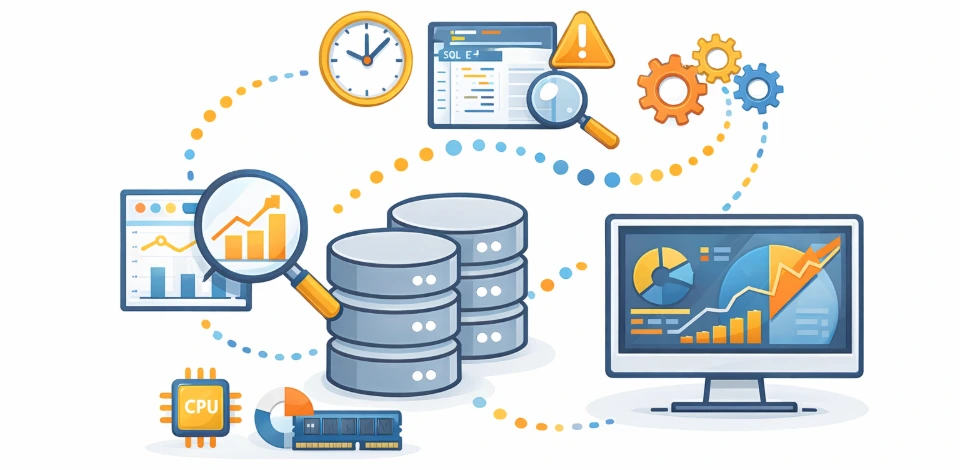
مراقبة قواعد البيانات وتحليلات الأداء
تحسين الأداء من خلال الرؤى في الوقت الحقيقي
توفر أدوات المراقبة رؤية مستمرة لأداء قاعدة البيانات، مما يساعد على تحديد المشكلات وحلها قبل أن تؤثر على المستخدمين. وهذا يضمن بقاء الأنظمة سريعة ومستقرة وفعالة.
تشمل المجالات الرئيسية:
- المراقبة في الوقت الحقيقي:تتبع صحة النظام والنشاط
- تحليل أداء الاستعلامات:تحديد الاستعلامات البطيئة أو غير الفعالة
- تتبع استخدام الموارد:مراقبة وحدة المعالجة المركزية والذاكرة والتخزين
- التنبيهات والإشعارات:تحذيرات فورية للمشكلات المحتملة
- تحسين الأداء:تحسينات مدفوعة بالبيانات لزيادة الكفاءة
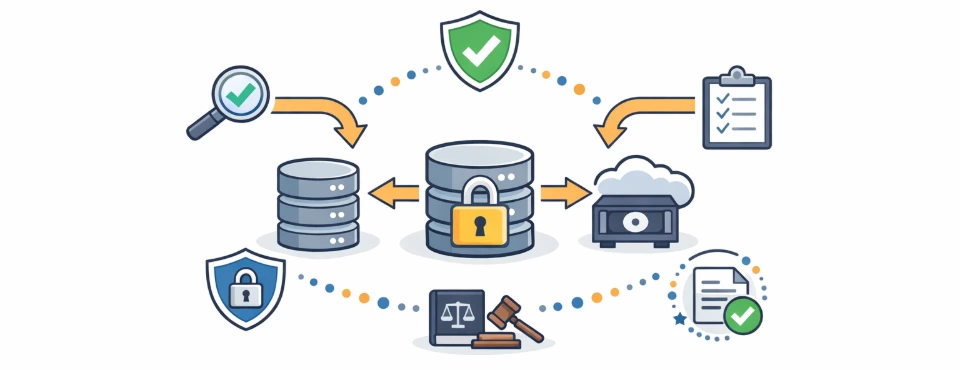
أمان قاعدة البيانات والامتثال
حماية البيانات وضمان الامتثال التنظيمي
يعد أمان قاعدة البيانات أمرًا أساسيًا لحماية المعلومات الحساسة للأعمال والمستخدمين من الوصول غير المصرح به، والانتهاكات، والتهديدات السيبرانية. قاعدة البيانات المؤمنة جيدًا تبني الثقة وتضمن موثوقية طويلة الأمد.
تشمل المجالات الرئيسية:
- التشفير:حماية البيانات أثناء النقل وعند الراحة
- التحكم في الوصول:أذونات قائمة على الدور لتقييد المستخدمين غير المصرح لهم
- المصادقة:المصادقة متعددة العوامل وأنظمة تسجيل الدخول الآمنة
- معايير الامتثال:الامتثال للوائح مثل GDPR وقوانين حماية البيانات
- المراقبة والتدقيق:تتبع سجلات الوصول واكتشاف الأنشطة المشبوهة
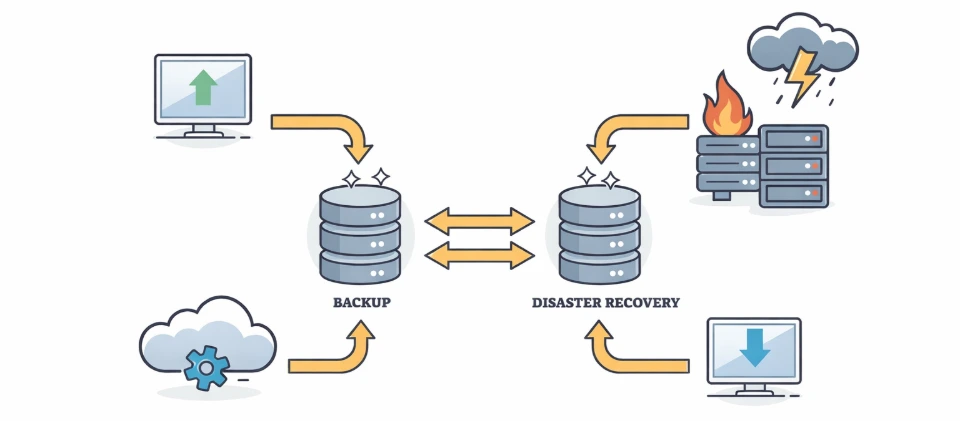
النسخ الاحتياطي واستعادة الكوارث
ضمان سلامة البيانات واستمرار العمليات
خطة النسخ الاحتياطي والتعافي من الكوارث القوية تحمي عملك من فقدان البيانات الناتج عن فشل النظام أو الهجمات الإلكترونية أو الأخطاء البشرية. إنها تضمن استئناف العمليات بسرعة مع الحد الأدنى من الانقطاع.
تشمل المجالات الرئيسية:
- النسخ الاحتياطي التلقائي:نسخ احتياطي مجدول لمنع فقدان البيانات
- التخزين الخارجي والسحابي:تأمين النسخ في مواقع بعيدة
- تخطيط التعافي من الكوارث:عمليات محددة لاستعادة الأنظمة
- التحكم في الإصدارات:الحفاظ على نقاط نسخ احتياطي متعددة
- تقليل وقت التوقف:استعادة سريعة لضمان استمرارية العمل
نقل البيانات والتكامل
نقل البيانات بسلاسة وموصلية النظام
يضمن نقل البيانات والتكامل الفعال انتقالات سلسة بين الأنظمة ويمكّن قواعد البيانات من العمل بسلاسة مع تطبيقات أخرى.
تشمل المجالات الرئيسية:
- تخطيط نقل البيانات:نهج منظم لنقل البيانات بأمان
- تكامل النظام:ربط قواعد البيانات مع أنظمة إدارة علاقات العملاء، وأنظمة تخطيط موارد المؤسسات، وواجهات برمجة التطبيقات
- اتساق البيانات:ضمان الدقة أثناء النقل
- أقل وقت توقف:تنفيذ عمليات النقل دون تعطيل العمليات
- تكامل قابل للتوسع:دعم النمو المستقبلي والتقنيات الجديدة
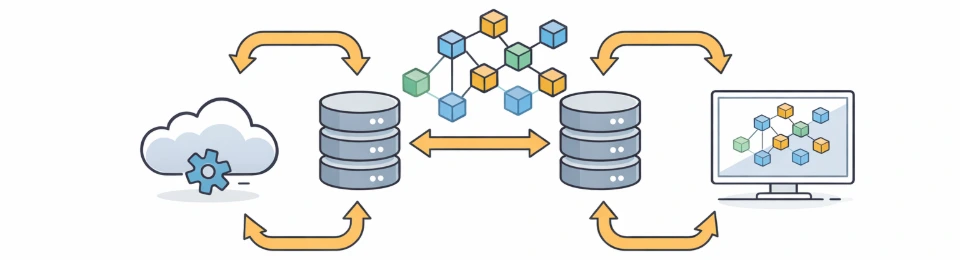
توفر عالية وتحمل الأخطاء
الحفاظ على وقت التشغيل وموثوقية النظام
تضمن التوافر العالي أن تظل أنظمة قواعد البيانات الخاصة بك تعمل حتى في حالة حدوث أعطال. تمنع الهياكل المقاومة للأخطاء التوقف عن العمل وتوفر تجربة مستخدم سلسة.
تشمل المجالات الرئيسية:
- التكرار:تكرار البيانات عبر خوادم متعددة
- التجميع:توزيع الأحمال لتحسين الاعتمادية
- التحويل التلقائي:التحويل إلى أنظمة النسخ الاحتياطي على الفور
- توازن الحمل:إدارة حركة المرور بكفاءة عبر الأنظمة
- الازدواجية:إزالة نقاط الفشل الفردية
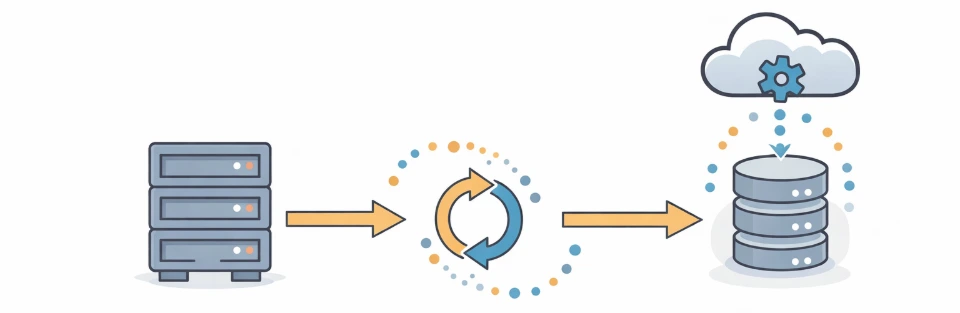
دعم نمو الأعمال من خلال قواعد بيانات قابلة للتوسع
دعم نمو الأعمال من خلال قواعد بيانات قابلة للتوسع
The integration of scalable database architectures acts as the primary engine for sustainable business expansion, transforming rigid data storage into an elastic resource. By moving beyond single-server limitations, organizations future-proof operations against the bottlenecks that stifle rapid growth.
يعمل دمج معماريات قواعد البيانات القابلة للتوسع كمحرك أساسي لتوسع الأعمال المستدام، حيث يحول تخزين البيانات الجامد إلى مورد مرن. من خلال تجاوز قيود الخادم الواحد، تضمن المؤسسات استمرارية عملياتها ضد الاختناقات التي تعيق النمو السريع.
The true operational value lies in maintaining high-velocity performance during periods of volatility. Distributed systems and automated resource allocation eliminate the risk of catastrophic downtime, ensuring your digital services remain performant for a global audience.
تكمن القيمة التشغيلية الحقيقية في الحفاظ على أداء عالي السرعة خلال فترات التقلب. تقضي الأنظمة الموزعة والتخصيص المؤتمت للموارد على مخاطر التوقف الكارثي، مما يضمن بقاء خدماتك الرقمية ذات أداء عالٍ لجمهورك العالمي.

دعم نمو الأعمال من خلال قواعد بيانات قابلة للتوسع
دعم نمو الأعمال من خلال قواعد بيانات قابلة للتوسع
The integration of scalable database architectures acts as the primary engine for sustainable business expansion, transforming rigid data storage into an elastic resource. By moving beyond single-server limitations, organizations future-proof operations against the bottlenecks that stifle rapid growth.
يعمل دمج معماريات قواعد البيانات القابلة للتوسع كمحرك أساسي لتوسع الأعمال المستدام، حيث يحول تخزين البيانات الجامد إلى مورد مرن. من خلال تجاوز قيود الخادم الواحد، تضمن المؤسسات استمرارية عملياتها ضد الاختناقات التي تعيق النمو السريع.
The true operational value lies in maintaining high-velocity performance during periods of volatility. Distributed systems and automated resource allocation eliminate the risk of catastrophic downtime, ensuring your digital services remain performant for a global audience.
تكمن القيمة التشغيلية الحقيقية في الحفاظ على أداء عالي السرعة خلال فترات التقلب. تقضي الأنظمة الموزعة والتخصيص المؤتمت للموارد على مخاطر التوقف الكارثي، مما يضمن بقاء خدماتك الرقمية ذات أداء عالٍ لجمهورك العالمي.
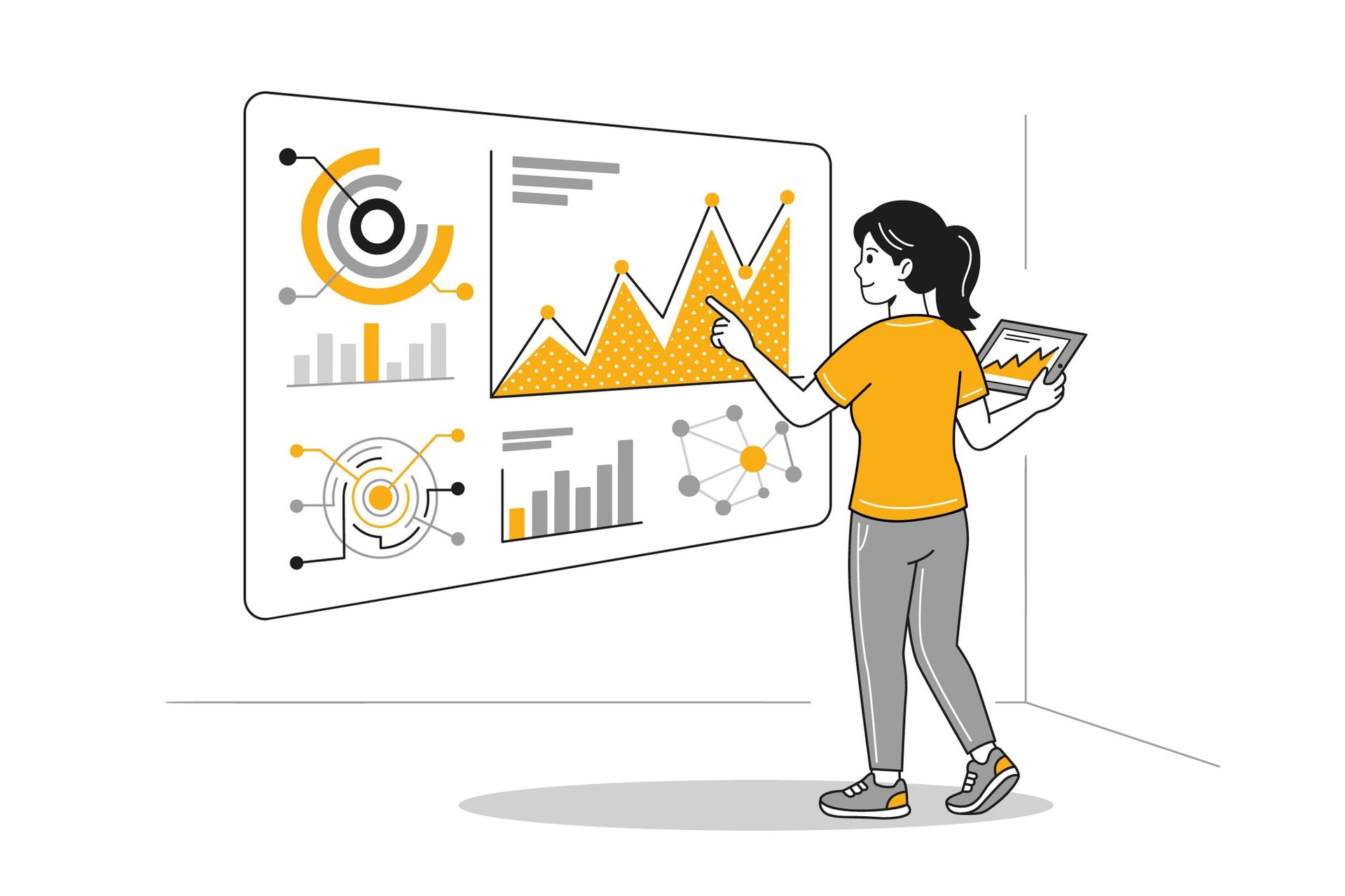
توسيع البيانات الاستراتيجي
التوسع الاستراتيجي للبيانات
Strategic data scaling represents the transition from merely managing data to architecting a high-velocity asset. By moving away from monolithic upgrades toward horizontally distributed models, we ensure digital infrastructure supports millions of concurrent transactions without performance ceilings.
يمثل التوسع الاستراتيجي للبيانات الانتقال من مجرد إدارة البيانات إلى هندسة أصول عالية السرعة. من خلال الابتعاد عن الترقيات الموحدة نحو النماذج الموزعة أفقياً، نضمن أن البنية التحتية الرقمية تدعم ملايين المعاملات المتزامنة دون سقف للأداء.
This logic utilizes sharding and partitioning to localize processing power. Mass datasets are segmented into high-performance nodes, reducing the distance between users and their data, resulting in the near-instantaneous load speeds required by modern global consumers.
يعتمد هذا المنطق على تقنيات Sharding و Partitioning لتوطين قوة المعالجة. يتم تقسيم مجموعات البيانات الضخمة إلى عقد عالية الأداء، مما يقلل المسافة بين المستخدمين وبياناتهم، وينتج عن ذلك سرعات تحميل فورية يتطلبها المستهلك العالمي الحديث.
توسيع البيانات الاستراتيجي
التوسع الاستراتيجي للبيانات
Strategic data scaling represents the transition from merely managing data to architecting a high-velocity asset. By moving away from monolithic upgrades toward horizontally distributed models, we ensure digital infrastructure supports millions of concurrent transactions without performance ceilings.
يمثل التوسع الاستراتيجي للبيانات الانتقال من مجرد إدارة البيانات إلى هندسة أصول عالية السرعة. من خلال الابتعاد عن الترقيات الموحدة نحو النماذج الموزعة أفقياً، نضمن أن البنية التحتية الرقمية تدعم ملايين المعاملات المتزامنة دون سقف للأداء.
This logic utilizes sharding and partitioning to localize processing power. Mass datasets are segmented into high-performance nodes, reducing the distance between users and their data, resulting in the near-instantaneous load speeds required by modern global consumers.
يعتمد هذا المنطق على تقنيات Sharding و Partitioning لتوطين قوة المعالجة. يتم تقسيم مجموعات البيانات الضخمة إلى عقد عالية الأداء، مما يقلل المسافة بين المستخدمين وبياناتهم، وينتج عن ذلك سرعات تحميل فورية يتطلبها المستهلك العالمي الحديث.
ماذا يمكننا أن نفعل من أجلك
نعمل على تحسين أداء قاعدة البيانات عبر ضبط الاستعلامات، الهيكل، والفهارس لتحقيق وصول أسرع للبيانات وأداء تطبيق مستقر وسلس.
نقوم بتحسين استعلامات قواعد البيانات والفهرسة وهياكلها لتقليل التأخير وزيادة سرعة الاستجابة وتحسين أداء النظام بشكل عام.
التخزين المؤقت يقلّل من زمن الوصول ويزيد من سرعة استرجاع البيانات عبر حفظ النتائج الأكثر طلبًا في ذاكرة الوصول السريع. يوفر هذا تفاعلاً أسرع للمستخدمين وكفاءة أعلى أثناء فترات الحمل العالية.
تصميم قواعد البيانات بحيث يمكنها التعامل مع نمو البيانات وعدد المستخدمين دون فقدان الأداء. يشمل ذلك تقسيم البيانات (مثل Sharding) وتقنيات توزيع الحمل لضمان الاستجابة السريعة عند تزايد الطلبات.
الحلول الموزعة تستخدم عدة خوادم أو مواقع جغرافية لتخزين ومعالجة البيانات، مما يحسّن الأداء ويزيد من التوافر والاستقرار، خصوصًا في البيئات السحابية المتقدمة.
أمن البيانات يشمل حماية المعلومات من الوصول غير المصرح به، بينما سلامة البيانات تضمن دقة المعلومات واتساقها طوال دورة حياتها، دون أن تتغير نتيجة أخطاء أو تلف غير مقصود.

دعونا نتواصل اليوم!
شركتي
- مبنى غرهود فيوز - الطابق السابع - المكتب 711-01 دبي، الإمارات العربية المتحدة
- +971509862203
- +971509862239
- info@itdtech.ae