
Important Things to Know About

Database Systems
Databases store and manage structured application data.

Data Management
Efficient systems ensure fast, secure data processing.

Scalability
Databases scale to support growing users and data.

Core Data Storage
Stores users, transactions, content, and system data.

Real-Time Operations
Systems process and return data instantly on demand.

Data Integrity
Structured data ensures accuracy and consistency.
Database Systems
Databases store and manage structured application data.
Data Management
Efficient systems ensure fast, secure data processing.
Scalability
Databases scale to support growing users and data.
Core Data Storage
Stores users, transactions, content, and system data.
Real-Time Operations
Systems process and return data instantly on demand.
Data Integrity
Structured data ensures accuracy and consistency.
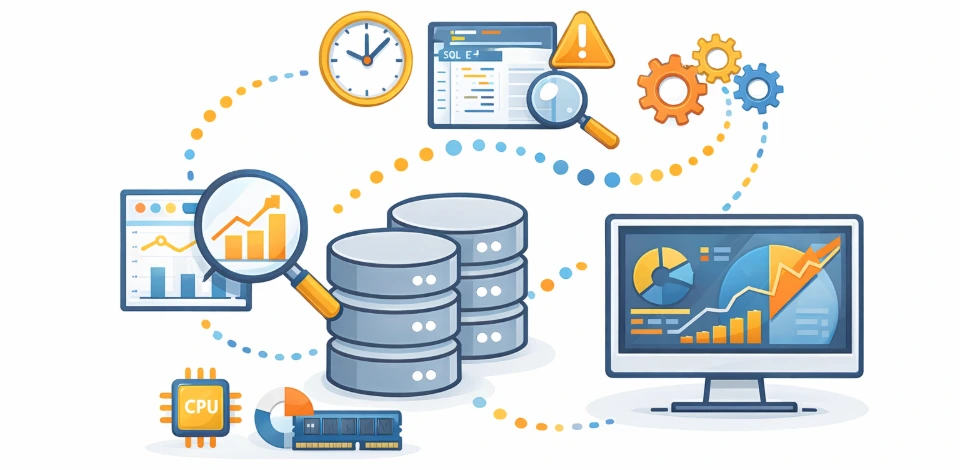
Database Monitoring & Performance Analytics
Optimizing performance through real-time insights
Monitoring tools provide continuous visibility into database performance, helping identify and resolve issues before they affect users. This ensures systems remain fast, stable, and efficient.
Key Areas Include:
- Real-Time Monitoring: Tracking system health and activity
- Query Performance Analysis: Identifying slow or inefficient queries
- Resource Usage Tracking: Monitoring CPU, memory, and storage
- Alerts & Notifications: Immediate warnings for potential issues
- Performance Optimization: Data-driven improvements for better efficiency
Database Security & Compliance
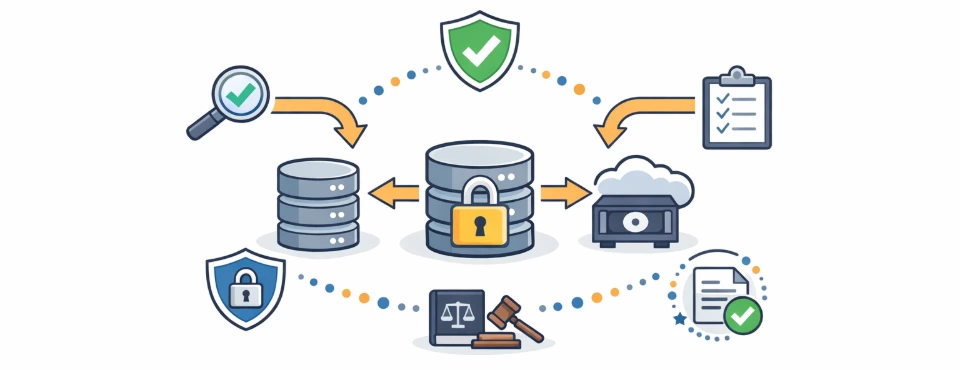
Protecting data and ensuring regulatory compliance
Database security is essential for safeguarding sensitive business and user information from unauthorized access, breaches, and cyber threats. A well-secured database builds trust and ensures long-term reliability.
Key Areas Include:
- Encryption: Protecting data both in transit and at rest
- Access Control: Role-based permissions to restrict unauthorized users
- Authentication: Multi-factor authentication and secure login systems
- Compliance Standards: Adhering to regulations such as GDPR and data protection laws
- Monitoring & Auditing: Tracking access logs and detecting suspicious activity
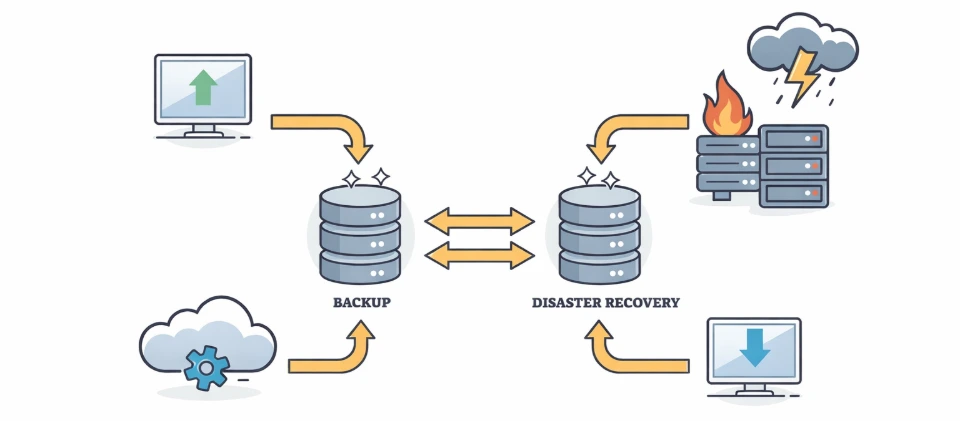
Backup & Disaster Recovery
Ensuring data safety and uninterrupted operations
A strong backup and disaster recovery plan protects your business from data loss caused by system failures, cyberattacks, or human error. It ensures that operations can resume quickly with minimal disruption.
Key Areas Include:
- Automated Backups: Scheduled backups to prevent data loss
- Offsite & Cloud Storage: Securing copies in remote locations
- Disaster Recovery Planning: Defined processes for restoring systems
- Version Control: Maintaining multiple backup points
- Downtime Minimization: Fast recovery to ensure business continuity
Data Migration & Integration
Seamless data transfer and system connectivity
Efficient data migration and integration ensure smooth transitions between systems and enable databases to work seamlessly with other applications.
Key Areas Include:
- Data Migration Planning: Structured approach to moving data safely
- System Integration: Connecting databases with CRMs, ERPs, and APIs
- Data Consistency: Ensuring accuracy during transfers
- Minimal Downtime: Executing migrations without disrupting operations
- Scalable Integration: Supporting future growth and new technologies
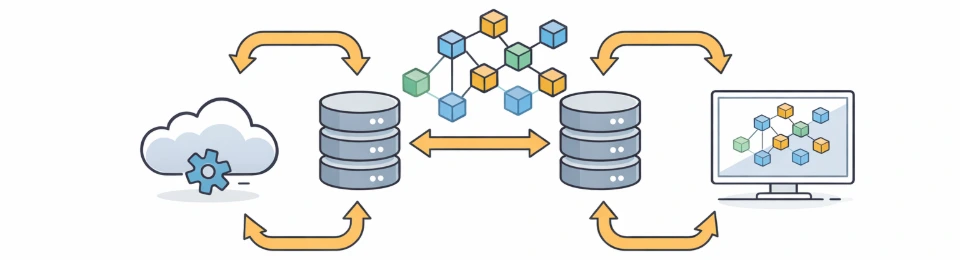
High Availability & Fault Tolerance
Maintaining uptime and system reliability
High availability ensures that your database systems remain operational even in the event of failures. Fault-tolerant architectures prevent downtime and provide a seamless user experience.
Key Areas Include:
- Replication: Duplicating data across multiple servers
- Clustering: Distributing workloads for better reliability
- Automatic Failover: Switching to backup systems instantly
- Load Balancing: Managing traffic efficiently across systems
- Redundancy: Eliminating single points of failure
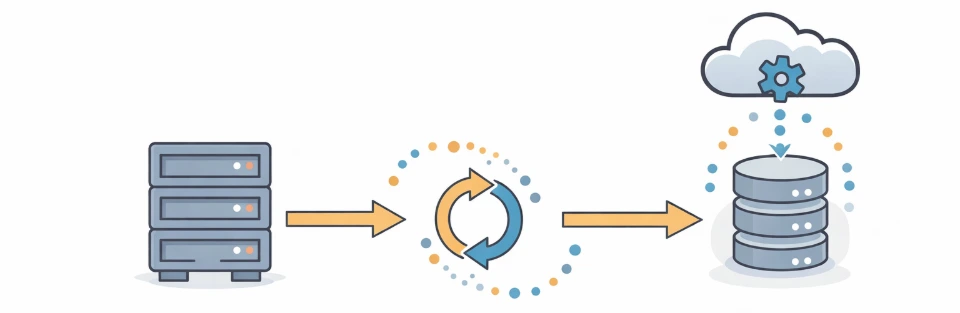
Supporting Business Growth with Scalable Databases
دعم نمو الأعمال من خلال قواعد بيانات قابلة للتوسع
The integration of scalable database architectures acts as the primary engine for sustainable business expansion, transforming rigid data storage into an elastic resource. By moving beyond single-server limitations, organizations future-proof operations against the bottlenecks that stifle rapid growth.
يعمل دمج معماريات قواعد البيانات القابلة للتوسع كمحرك أساسي لتوسع الأعمال المستدام، حيث يحول تخزين البيانات الجامد إلى مورد مرن. من خلال تجاوز قيود الخادم الواحد، تضمن المؤسسات استمرارية عملياتها ضد الاختناقات التي تعيق النمو السريع.
The true operational value lies in maintaining high-velocity performance during periods of volatility. Distributed systems and automated resource allocation eliminate the risk of catastrophic downtime, ensuring your digital services remain performant for a global audience.
تكمن القيمة التشغيلية الحقيقية في الحفاظ على أداء عالي السرعة خلال فترات التقلب. تقضي الأنظمة الموزعة والتخصيص المؤتمت للموارد على مخاطر التوقف الكارثي، مما يضمن بقاء خدماتك الرقمية ذات أداء عالٍ لجمهورك العالمي.
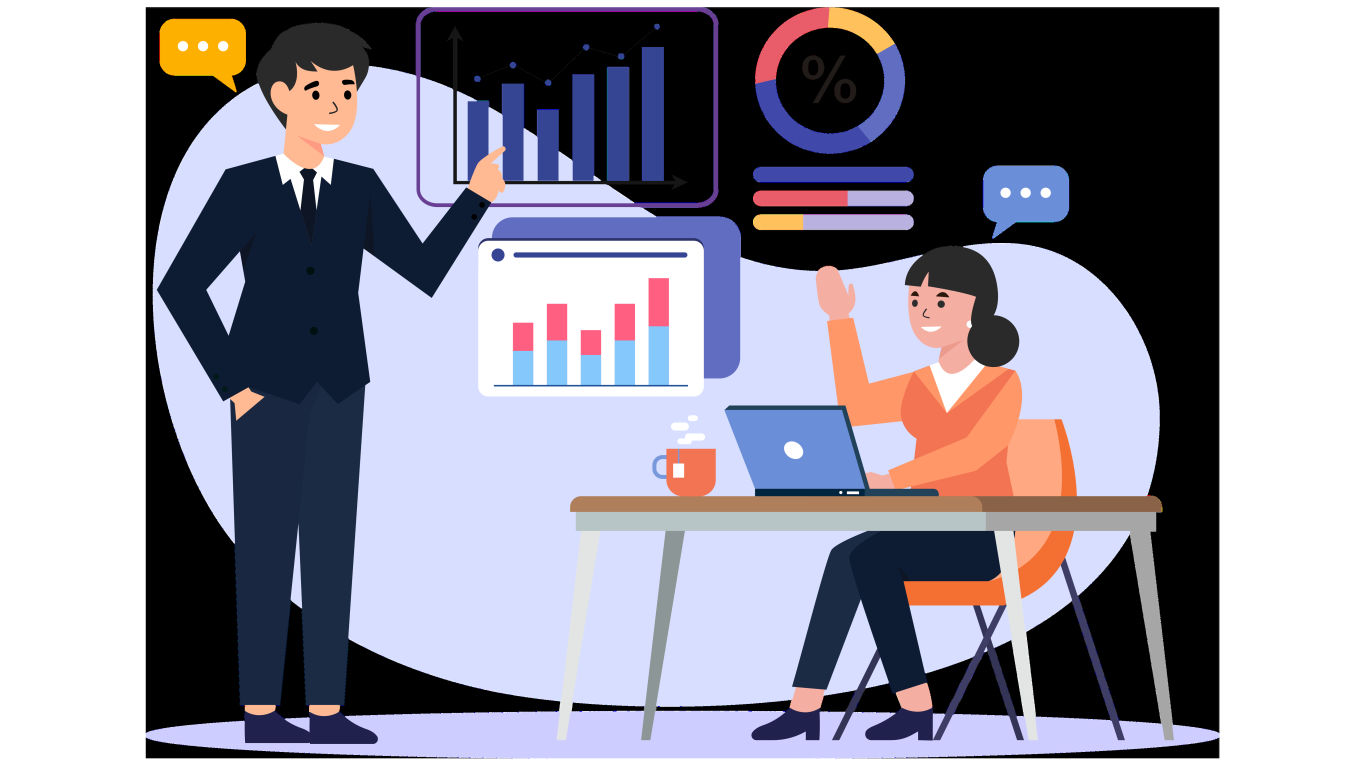
Supporting Business Growth with Scalable Databases
دعم نمو الأعمال من خلال قواعد بيانات قابلة للتوسع
The integration of scalable database architectures acts as the primary engine for sustainable business expansion, transforming rigid data storage into an elastic resource. By moving beyond single-server limitations, organizations future-proof operations against the bottlenecks that stifle rapid growth.
يعمل دمج معماريات قواعد البيانات القابلة للتوسع كمحرك أساسي لتوسع الأعمال المستدام، حيث يحول تخزين البيانات الجامد إلى مورد مرن. من خلال تجاوز قيود الخادم الواحد، تضمن المؤسسات استمرارية عملياتها ضد الاختناقات التي تعيق النمو السريع.
The true operational value lies in maintaining high-velocity performance during periods of volatility. Distributed systems and automated resource allocation eliminate the risk of catastrophic downtime, ensuring your digital services remain performant for a global audience.
تكمن القيمة التشغيلية الحقيقية في الحفاظ على أداء عالي السرعة خلال فترات التقلب. تقضي الأنظمة الموزعة والتخصيص المؤتمت للموارد على مخاطر التوقف الكارثي، مما يضمن بقاء خدماتك الرقمية ذات أداء عالٍ لجمهورك العالمي.
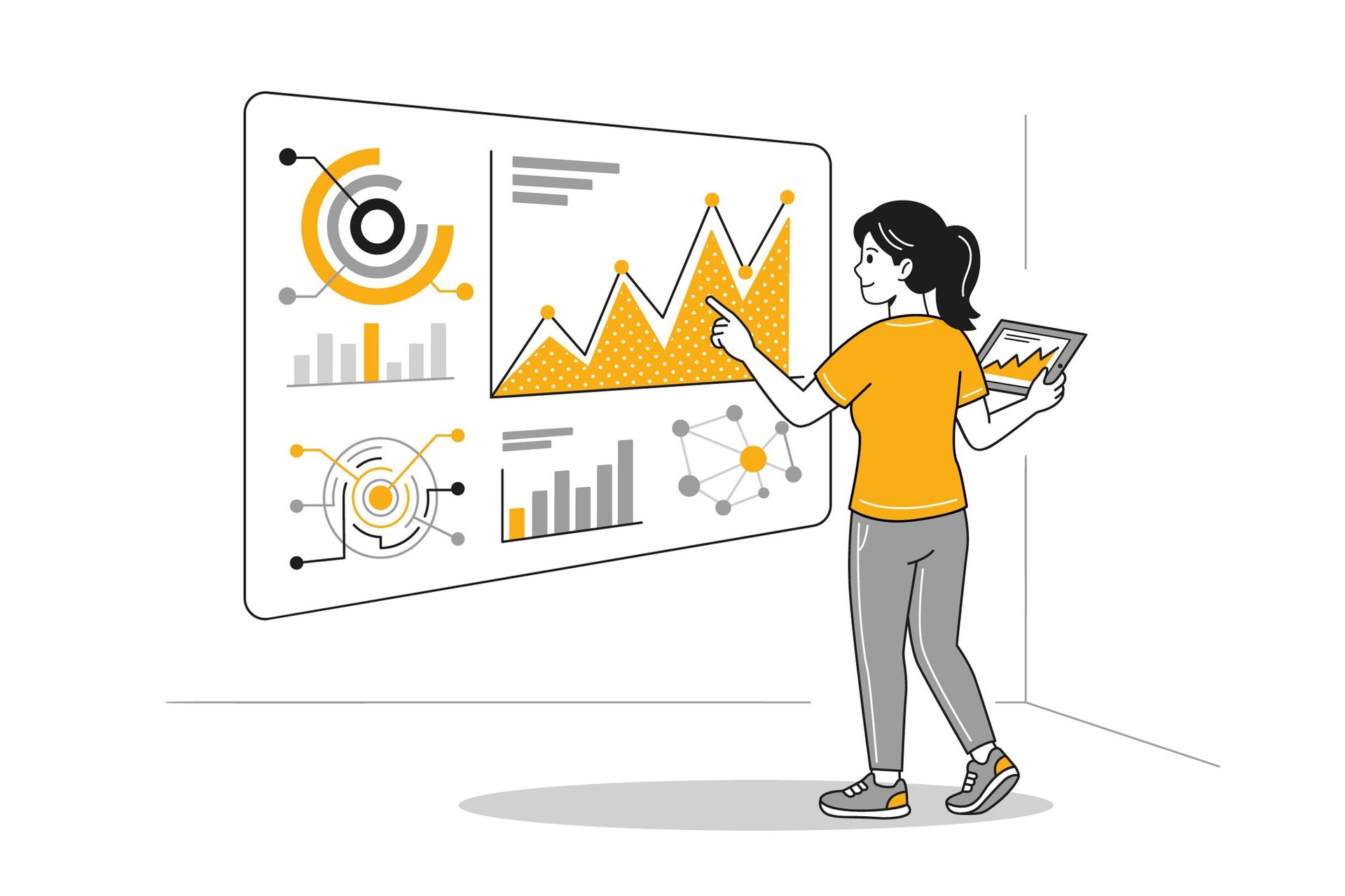
Strategic Data Scaling
التوسع الاستراتيجي للبيانات
Strategic data scaling represents the transition from merely managing data to architecting a high-velocity asset. By moving away from monolithic upgrades toward horizontally distributed models, we ensure digital infrastructure supports millions of concurrent transactions without performance ceilings.
يمثل التوسع الاستراتيجي للبيانات الانتقال من مجرد إدارة البيانات إلى هندسة أصول عالية السرعة. من خلال الابتعاد عن الترقيات الموحدة نحو النماذج الموزعة أفقياً، نضمن أن البنية التحتية الرقمية تدعم ملايين المعاملات المتزامنة دون سقف للأداء.
This logic utilizes sharding and partitioning to localize processing power. Mass datasets are segmented into high-performance nodes, reducing the distance between users and their data, resulting in the near-instantaneous load speeds required by modern global consumers.
يعتمد هذا المنطق على تقنيات Sharding و Partitioning لتوطين قوة المعالجة. يتم تقسيم مجموعات البيانات الضخمة إلى عقد عالية الأداء، مما يقلل المسافة بين المستخدمين وبياناتهم، وينتج عن ذلك سرعات تحميل فورية يتطلبها المستهلك العالمي الحديث.
Strategic Data Scaling
التوسع الاستراتيجي للبيانات
Strategic data scaling represents the transition from merely managing data to architecting a high-velocity asset. By moving away from monolithic upgrades toward horizontally distributed models, we ensure digital infrastructure supports millions of concurrent transactions without performance ceilings.
يمثل التوسع الاستراتيجي للبيانات الانتقال من مجرد إدارة البيانات إلى هندسة أصول عالية السرعة. من خلال الابتعاد عن الترقيات الموحدة نحو النماذج الموزعة أفقياً، نضمن أن البنية التحتية الرقمية تدعم ملايين المعاملات المتزامنة دون سقف للأداء.
This logic utilizes sharding and partitioning to localize processing power. Mass datasets are segmented into high-performance nodes, reducing the distance between users and their data, resulting in the near-instantaneous load speeds required by modern global consumers.
يعتمد هذا المنطق على تقنيات Sharding و Partitioning لتوطين قوة المعالجة. يتم تقسيم مجموعات البيانات الضخمة إلى عقد عالية الأداء، مما يقلل المسافة بين المستخدمين وبياناتهم، وينتج عن ذلك سرعات تحميل فورية يتطلبها المستهلك العالمي الحديث.
What We Can Do For You
Mobile-First Development is a design strategy where you start the sketching and coding process for the smallest screen (mobile) and then work your way up to larger screens. It forces you to prioritize essential content and performance from the beginning, ensuring the core user experience is fast and functional before adding desktop-specific enhancements.
Responsive Design is a web development approach that creates dynamic changes to the appearance of a website, depending on the screen size and orientation of the device being used. It uses a single codebase with fluid grids, flexible images, and CSS media queries to ensure the layout automatically adjusts for desktops, tablets, and smartphones. satisfaction.
Data Security is the practice of protecting digital information from unauthorized access, corruption, or theft throughout its entire lifecycle. It involves a combination of specialized hardware, software, and organizational policies to ensure that sensitive data remains private and available to legitimate users.
Advanced Protection refers to a specialized suite of security measures designed for individuals or organizations at high risk of targeted cyberattacks, such as data breaches, phishing, or industrial espionage. It moves beyond standard security by enforcing the strictest possible configurations for identity verification and data access.
Scalable Infrastructure refers to a system's ability to handle growing amounts of work or its potential to be enlarged to accommodate that growth. In modern computing, this means a system can automatically increase or decrease its resources (like CPU, RAM, or storage) based on real-time demand without any downtime.
Cloud Integration is the process of connecting different cloud-based applications, databases, and on-premises systems to allow for a seamless real-time exchange of data and processes. Instead of having "data silos" where information is trapped in one department's software, integration ensures that your entire digital ecosystem works as a single, unified unit.

Let's Connect Today!
My Company
- Garhoud Views Building – 7th Floor -Office 711-01 Dubai UAE
- +971509862203
- +971509862239
- info@itdtech.ae