
Pillars of Digital Government Excellence
Unlocking efficiency, transparency, and citizen-focused services through modern institutional platforms.
Data Security & Privacy First
Implement advanced encryption, access control, and compliance protocols to protect sensitive citizen information. Ensures trust, legal adherence, and resilience against cyber threats.
Smart Service Delivery
Leverage AI-driven insights and predictive analytics to optimize resource allocation, reduce bottlenecks, and anticipate public service demand. Enhances speed and satisfaction for users.
Collaborative Governance Tools
Enable interdepartmental collaboration through integrated dashboards, shared workflows, and real-time updates. Promotes coordinated decision-making, accountability, and operational cohesion.
Things To Know About

E-Commerce Growth نمو التجارة الإلكترونية
Grow online sales and engagement. زيادة المبيعات والتفاعل عبر الإنترنت

Scalable Solutions حلول قابلة للتوسع
Scale systems to handle growth. توسيع الأنظمة لمواكبة النمو

Performance Optimization تحسين الأداء
Improve speed and platform efficiency. تحسين السرعة وكفاءة المنصة

Targeted Marketing التسويق الموجه
Reach the right audience effectively. الوصول للجمهور المناسب بفعالية

Customer Experience تجربة العملاء
Enhance user journeys and satisfaction. تحسين تجربة المستخدم ورضا العملاء

Business Scaling توسيع الأعمال
Expand operations for sustainable growth. توسيع العمليات لتحقيق نمو مستدام
E-Commerce Growth نمو التجارة الإلكترونية
Grow online sales and engagement. زيادة المبيعات والتفاعل عبر الإنترنت
Scalable Solutions حلول قابلة للتوسع
Scale systems to handle growth. توسيع الأنظمة لمواكبة النمو
Performance Optimization تحسين الأداء
Improve speed and platform efficiency. تحسين السرعة وكفاءة المنصة
Targeted Marketing التسويق الموجه
Reach the right audience effectively. الوصول للجمهور المناسب بفعالية
Customer Experience تجربة العملاء
Enhance user journeys and satisfaction. تحسين تجربة المستخدم ورضا العملاء
Business Scaling توسيع الأعمال
Expand operations for sustainable growth. توسيع العمليات لتحقيق نمو مستدام
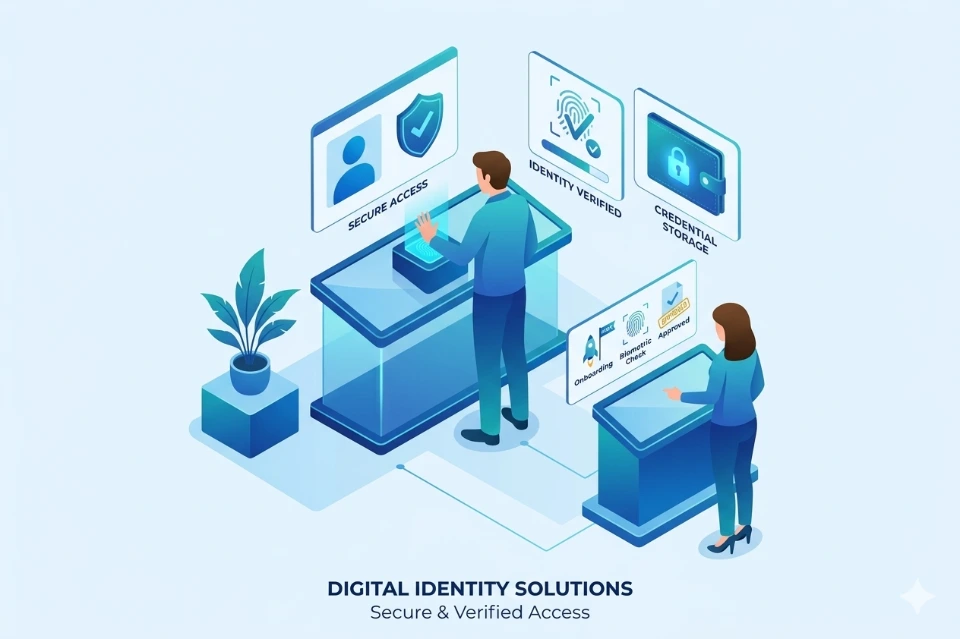
Digital Identity Solutions
Secure & Verified Access
Implement comprehensive digital identity management systems for citizens and employees, including multi-factor authentication, biometric verification, and secure credential storage. Ensures authorized access, reduces fraud, and streamlines onboarding. With centralized identity services, government agencies can provide seamless interactions, protect sensitive data, and maintain compliance with privacy regulations, improving trust and operational reliability.
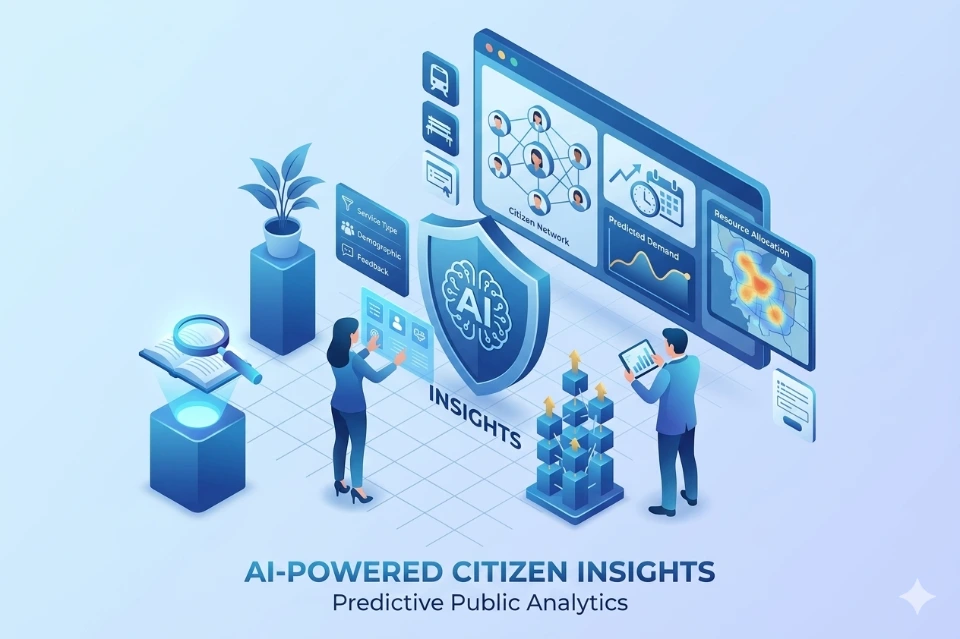
AI-Powered Citizen Insights
Predictive Public Analytics
Utilize artificial intelligence and machine learning to analyze citizen interactions, service usage patterns, and feedback data. These insights allow governments to forecast service demand, allocate resources efficiently, and design programs tailored to community needs. Real-time dashboards provide decision-makers with actionable intelligence, enhancing responsiveness and policy effectiveness while fostering data-driven governance.
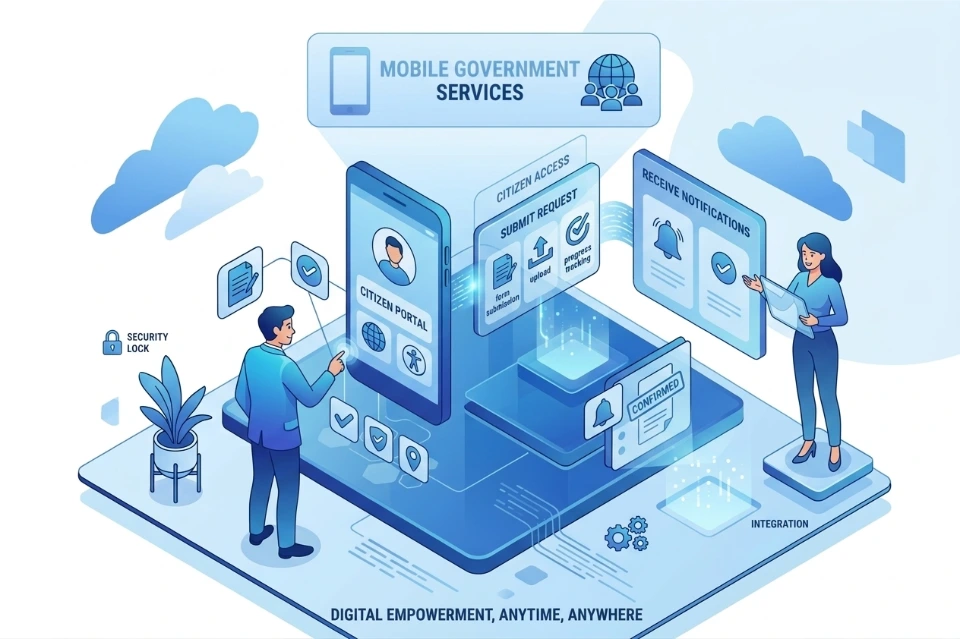
Mobile Government Platforms
Anytime, Anywhere Services
Deliver public services through mobile-optimized portals and apps, enabling citizens to access services, submit requests, and receive notifications on their smartphones and tablets. Mobile government platforms increase engagement, convenience, and accessibility, particularly for remote or underserved communities, while maintaining security standards and seamless integration with central systems.
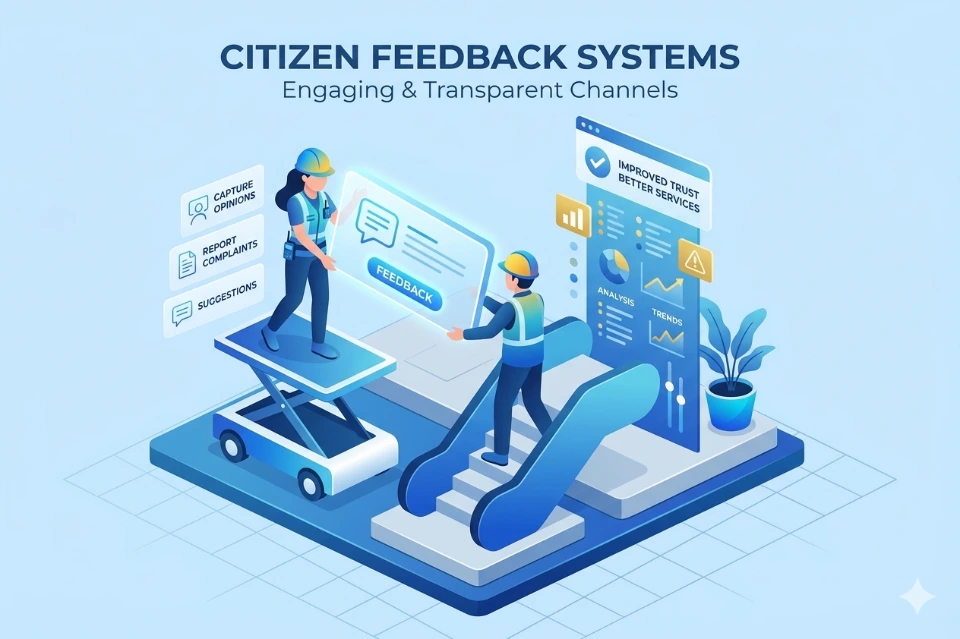
Citizen Feedback Systems
Engaging & Transparent Channels
Integrate structured feedback mechanisms, surveys, and reporting tools to capture citizen opinions, complaints, and suggestions. Automated analysis of feedback helps agencies improve service quality, responsiveness, and transparency. Engaging citizens in governance strengthens trust, encourages participation, and ensures that public services evolve according to real community needs.
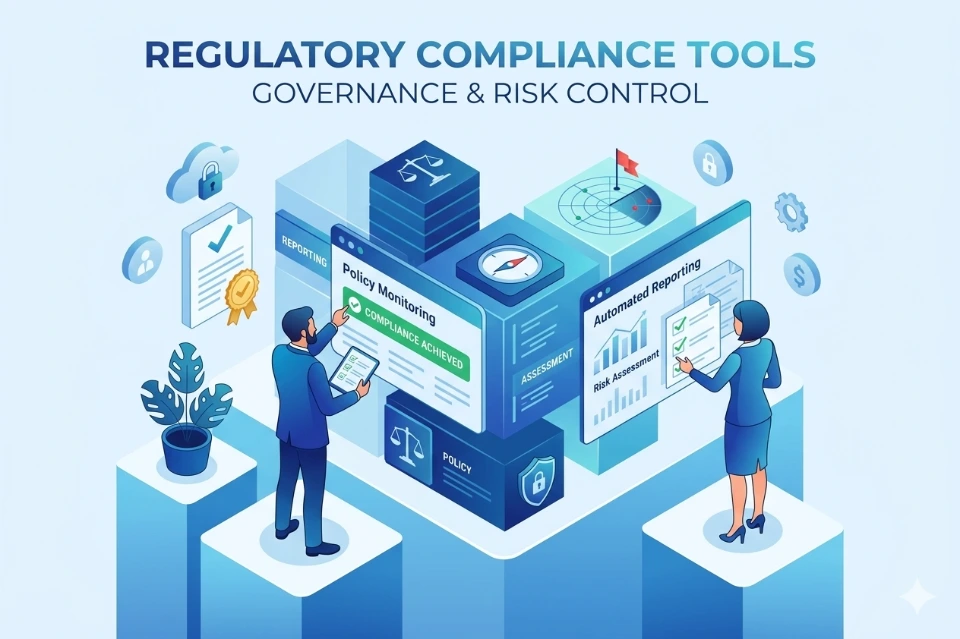
Regulatory Compliance Tools
Governance & Risk Control
Provide institutions with integrated compliance and audit management tools to meet local and international regulations. Automated reporting, policy monitoring, and risk assessment features ensure legal adherence, reduce operational risks, and facilitate transparency. With these tools, government portals maintain accountability, strengthen public confidence, and support sustainable digital governance.
Information Integrity
نزاهة المعلومات
Data Management & Reporting
إدارة البيانات والتقارير
Unified Single Source of Truth
مصدر موحد وحيد للحقيقة
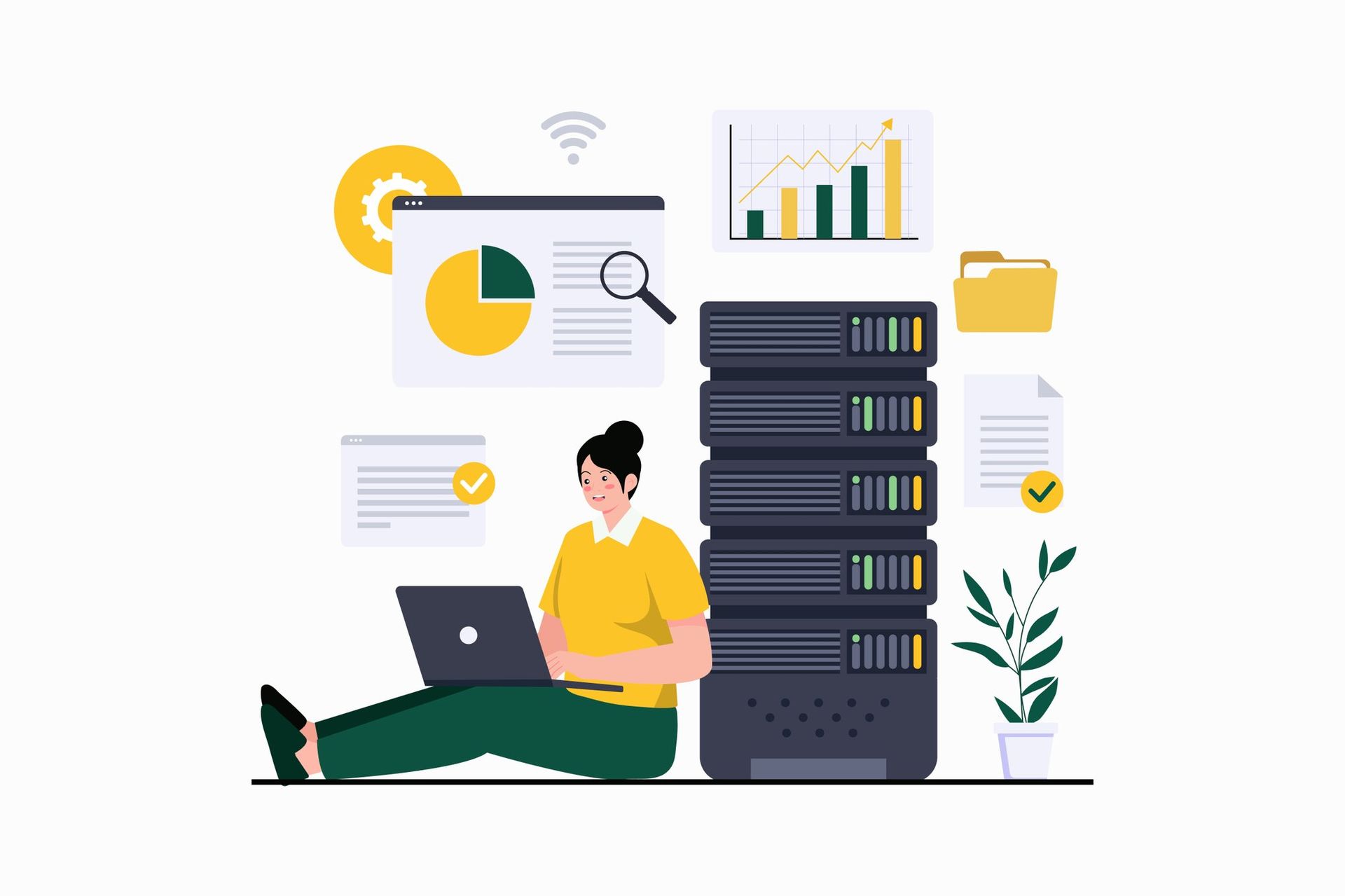
Centralize disparate data streams—from financial ledgers to supply chain logs—into a high-integrity engine. Eliminate information silos to ensure every department operates on identical intelligence.
مركزية تدفقات البيانات المتباينة - من الدفاتر المالية إلى سجلات سلسلة التوريد - في محرك عالي النزاهة. تخلص من صوامع المعلومات لضمان عمل كل قسم بناءً على بيانات متطابقة.
Real-Time Pulse Dashboards
لوحات متابعة فورية لنبض العمل
Transition from reactive reporting to proactive analytics. Monitor KPIs instantly and identify emerging trends before they become critical issues through automated data visualization.
الانتقال من التقارير التفاعلية إلى التحليلات الاستباقية. راقب مؤشرات الأداء الرئيسية فوراً وحدد الاتجاهات الناشئة قبل أن تصبح مشكلات حرجة من خلال التمثيل البصري الآلي للبيانات.
Evidence-Based Governance
حوكمة قائمة على الأدلة
Foster a culture of transparency where every strategic pivot is backed by empirical evidence. Turn raw building data into a predictive roadmap for operational excellence and scalability.
تعزيز ثقافة الشفافية حيث يتم دعم كل تحول استراتيجي بأدلة تجريبية. حول البيانات الخام إلى خارطة طريق تنبؤية للتميز التشغيلي وقابلية التوسع.
Information Integrity
نزاهة المعلومات
Data Management & Reporting
إدارة البيانات والتقارير
Unified Single Source of Truth
مصدر موحد وحيد للحقيقة
Centralize disparate data streams—from financial ledgers to supply chain logs—into a high-integrity engine. Eliminate information silos to ensure every department operates on identical intelligence.
مركزية تدفقات البيانات المتباينة - من الدفاتر المالية إلى سجلات سلسلة التوريد - في محرك عالي النزاهة. تخلص من صوامع المعلومات لضمان عمل كل قسم بناءً على بيانات متطابقة.
Real-Time Pulse Dashboards
لوحات متابعة فورية لنبض العمل
Transition from reactive reporting to proactive analytics. Monitor KPIs instantly and identify emerging trends before they become critical issues through automated data visualization.
الانتقال من التقارير التفاعلية إلى التحليلات الاستباقية. راقب مؤشرات الأداء الرئيسية فوراً وحدد الاتجاهات الناشئة قبل أن تصبح مشكلات حرجة من خلال التمثيل البصري الآلي للبيانات.
Evidence-Based Governance
حوكمة قائمة على الأدلة
Foster a culture of transparency where every strategic pivot is backed by empirical evidence. Turn raw building data into a predictive roadmap for operational excellence and scalability.
تعزيز ثقافة الشفافية حيث يتم دعم كل تحول استراتيجي بأدلة تجريبية. حول البيانات الخام إلى خارطة طريق تنبؤية للتميز التشغيلي وقابلية التوسع.
Digital Governance
الحوكمة الرقمية
Enhancing Public Service Delivery
تعزيز تقديم الخدمات العامة

Unified Citizen Gateways
بوابات المواطنين الموحدة
Eliminate bureaucratic friction by transitioning to secure, cloud-native portals. Provide 24/7 access to permit applications and document verification via a single centralized hub.
القضاء على البيروقراطية من خلال الانتقال إلى بوابات سحابية آمنة. توفير وصول على مدار الساعة لطلبات التصاريح وتوثيق المستندات عبر مركز واحد.
Multilingual Agentic AI Guidance
توجيه الذكاء الاصطناعي متعدد اللغات
Ensure technical inclusivity with AI assistants that provide real-time guidance. Navigate complex regulatory processes intuitively with personalized support in multiple languages.
ضمان الشمولية التقنية بمساعدة الذكاء الاصطناعي الذي يقدم توجيهاً فورياً. التنقل في العمليات التنظيمية المعقدة بسهولة عبر دعم مخصص بلغات متعددة.
Cross-Departmental Data Harmony
تناغم البيانات بين الإدارات
Strengthen public trust with a robust integrated backend. Prevent redundant data entry and ensure information flows seamlessly between departments for high-speed fulfillment.
تعزيز الثقة العامة ببيئة خلفية متكاملة وقوية. منع تكرار إدخال البيانات وضمان تدفق المعلومات بسلاسة بين الإدارات لسرعة إنجاز الخدمات.
Digital Governance
الحوكمة الرقمية
Enhancing Public Service Delivery
تعزيز تقديم الخدمات العامة
Unified Citizen Gateways
بوابات المواطنين الموحدة
Eliminate bureaucratic friction by transitioning to secure, cloud-native portals. Provide 24/7 access to permit applications and document verification via a single centralized hub.
القضاء على البيروقراطية من خلال الانتقال إلى بوابات سحابية آمنة. توفير وصول على مدار الساعة لطلبات التصاريح وتوثيق المستندات عبر مركز واحد.
Multilingual Agentic AI Guidance
توجيه الذكاء الاصطناعي متعدد اللغات
Ensure technical inclusivity with AI assistants that provide real-time guidance. Navigate complex regulatory processes intuitively with personalized support in multiple languages.
ضمان الشمولية التقنية بمساعدة الذكاء الاصطناعي الذي يقدم توجيهاً فورياً. التنقل في العمليات التنظيمية المعقدة بسهولة عبر دعم مخصص بلغات متعددة.
Cross-Departmental Data Harmony
تناغم البيانات بين الإدارات
Strengthen public trust with a robust integrated backend. Prevent redundant data entry and ensure information flows seamlessly between departments for high-speed fulfillment.
تعزيز الثقة العامة ببيئة خلفية متكاملة وقوية. منع تكرار إدخال البيانات وضمان تدفق المعلومات بسلاسة بين الإدارات لسرعة إنجاز الخدمات.
What We Can Do For You
We design and deploy secure, single-sign-on (SSO) gateways that consolidate all public services into one user-friendly interface, simplifying the citizen journey from end to end.
Our team integrates intelligent AI agents that provide 24/7 support in Arabic and English, guiding users through complex applications and answering policy questions instantly.
We bridge the gap between front-end portals and back-end departments, automating the routing and approval of applications to reduce processing times by up to 60%.
We implement high-encryption digital lockers that allow citizens to store and share verified identity documents and permits securely with different government entities.
We ensure all public service platforms are fully responsive and compliant with global accessibility standards, ensuring every citizen can access services from any device.
We build real-time dashboards for administrators to monitor service bottlenecks and citizen satisfaction, providing the data needed for continuous process improvement.
Let's Connect Today!
My Company
- Garhoud Views Building – 7th Floor -Office 711-01 Dubai UAE
- +971509862203
- +971509862239
- info@itdtech.ae