
Things To Know About

Mobile-First Approach
Design starts with mobile for optimal experiences.

User Experience Focus
Interfaces are optimized for touch and small screens.

Performance Optimization
Lightweight design improves speed and responsiveness.

Progressive Enhancement
Start simple, then enhance for larger devices.

Simplified Design
Focus on essential content and clean interfaces.

Business Advantage
Improves engagement and overall performance.
نهج الموبايل أولاً
يبدأ التصميم بالموبايل لضمان أفضل تجربة.
التركيز على تجربة المستخدم
الواجهات مصممة للمس والشاشات الصغيرة.
تحسين الأداء
التصميم الخفيف يحسّن السرعة والاستجابة.
التحسين التدريجي
ابدأ بسيطًا ثم أضف الميزات للأجهزة الأكبر.
تصميم مبسط
التركيز على المحتوى الأساسي وواجهة نظيفة.
ميزة للأعمال
يحسّن التفاعل والأداء العام.
Mobile-First Approach
Design starts with mobile for optimal experiences.
User Experience Focus
Interfaces are optimized for touch and small screens.
Performance Optimization
Lightweight design improves speed and responsiveness.
Progressive Enhancement
Start simple, then enhance for larger devices.
Simplified Design
Focus on essential content and clean interfaces.
Business Advantage
Improves engagement and overall performance.
نهج الموبايل أولاً
يبدأ التصميم بالموبايل لضمان أفضل تجربة.
التركيز على تجربة المستخدم
الواجهات مصممة للمس والشاشات الصغيرة.
تحسين الأداء
التصميم الخفيف يحسّن السرعة والاستجابة.
التحسين التدريجي
ابدأ بسيطًا ثم أضف الميزات للأجهزة الأكبر.
تصميم مبسط
التركيز على المحتوى الأساسي وواجهة نظيفة.
ميزة للأعمال
يحسّن التفاعل والأداء العام.
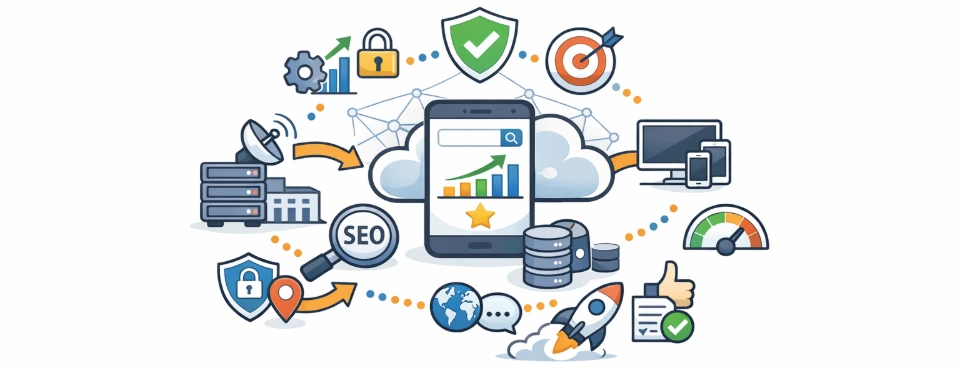
Mobile SEO Optimization
Optimizing for mobile search ensures better visibility and higher rankings in search engine results.
Mobile-Friendly Indexing
Search engines prioritize mobile versions of websites for indexing and ranking.
Optimized Metadata
Titles, descriptions, and structured data are tailored for mobile search visibility.
Improved Page Experience
Fast, responsive, and user-friendly pages contribute to better SEO performance.
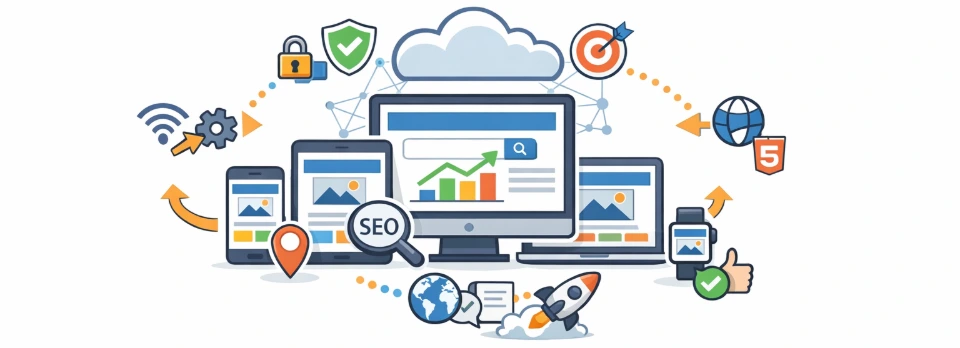
Cross-Device Compatibility
Ensuring consistent functionality across all devices is essential for modern web applications.
Device Testing
Websites are tested across multiple devices and screen sizes to ensure compatibility.
Browser Optimization
Support for various mobile browsers ensures a seamless experience for all users.
Consistent UI Behavior
Design and functionality remain uniform across different platforms and devices.
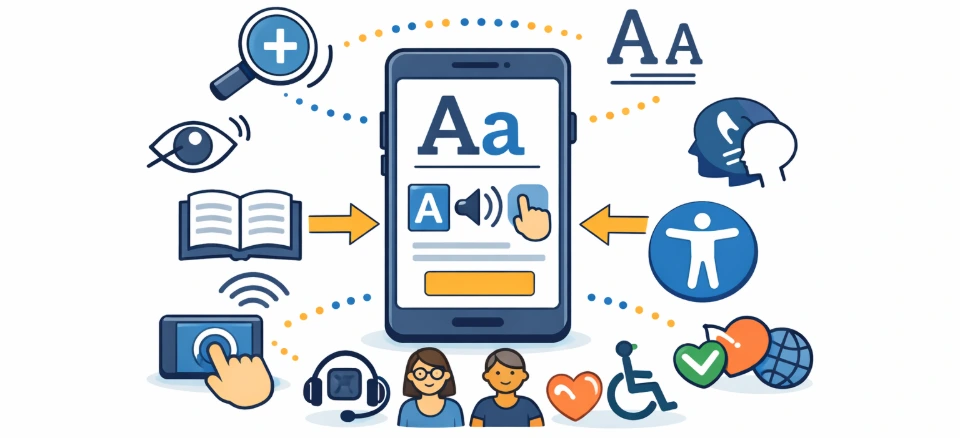
Mobile Accessibility Standards
Accessible design ensures that all users, including those with disabilities, can interact with your website effectively.
Readable Content
Text is optimized for readability on smaller screens with proper sizing and contrast.
Touch Accessibility
Buttons and interactive elements are designed for easy touch interaction.
Inclusive Design
Accessibility practices ensure usability for a wider audience.
Progressive Web Applications (PWA)
PWAs enhance mobile experiences by combining web and app-like functionality.
Offline Functionality
Users can access certain features even without an internet connection.
App-Like Experience
Websites behave like mobile apps with smooth navigation and fast interactions.
Push Notifications
Engage users with real-time updates and notifications.

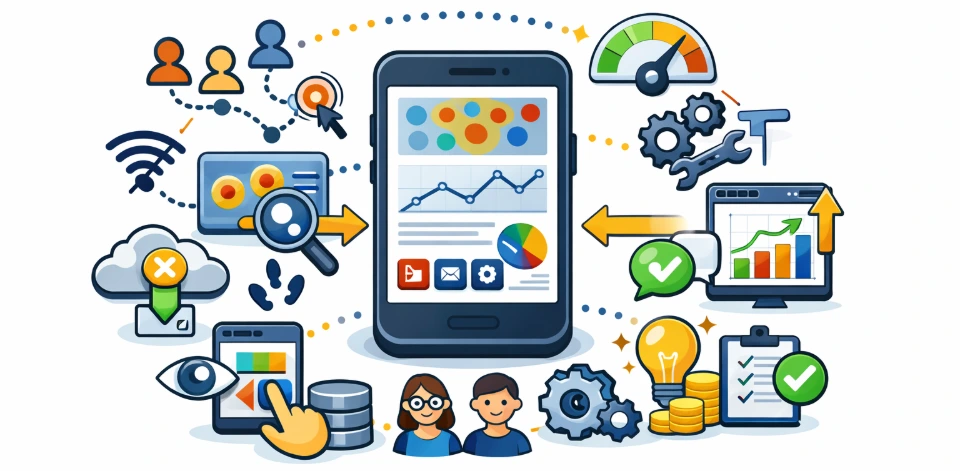
Mobile Analytics & Insights
Understanding user behavior on mobile devices helps improve performance and engagement.
User Behavior Tracking
Analyze how users interact with mobile interfaces to optimize experience.
Performance Monitoring
Track load times, responsiveness, and mobile-specific issues.
Data-Driven Improvements
Use insights to continuously enhance mobile usability and engagement.
What We Can Do For You
Responsive design ensures your system looks and works perfectly on any screen, from a smartphone in the field to a 4K monitor in the office. It uses Fluid Grids and Media Queries to automatically rearrange elements based on the device's resolution.
Adaptive layout systems use predefined, fixed templates that "snap" into place based on the detected device. Unlike fluid responsive design, which stretches, adaptive systems load a specific, optimized layout for the user's exact screen size.
Speed optimization is the process of increasing the rate at which a system processes requests and delivers data to the user. In 2026, where even a 100ms delay can impact user retention, it is the foundation of a professional digital experience.
Efficient resource handling is the strategic management of system assets—like CPU, Memory (RAM), and Bandwidth—to prevent crashes and reduce operational costs. It ensures that your server remains stable even when multiple users are processing heavy reports or large inventory syncs simultaneously.
User-friendly interfaces prioritize clarity, efficiency, and accessibility. They bridge the gap between complex backend logic—like pro-rata payroll or MRP data—and the person actually using the screen.
Enhanced User Experience (UX) focuses on the emotional and functional journey of a person using a system. It goes beyond just looking good; it's about making complex tasks—like managing UAE labor laws or metal fabrication workflows—feel effortless.

Let's Connect Today!
My Company
- Garhoud Views Building – 7th Floor -Office 711-01 Dubai UAE
- +971509862203
- +971509862239
- info@itdtech.ae