
Pillars of Testing & Quality Assurance
ركائز الاختبار وضمان الجودة
Ensure reliable, secure, and high-quality applications through continuous testing and validation.
ضمان تطبيقات موثوقة وآمنة وعالية الجودة من خلال الاختبار والتحقق المستمر.

Comprehensive Testing & Validation الاختبار الشامل والتحقق من الصحة

Bug Detection & Issue Management اكتشاف الأخطاء وإدارة المشكلات

Continuous Testing & Quality Improvement الاختبار المستمر وتحسين الجودة
Pillars of Testing & Quality Assurance
ركائز الاختبار وضمان الجودة
Ensure reliable, secure, and high-quality applications through continuous testing and validation.
ضمان تطبيقات موثوقة وآمنة وعالية الجودة من خلال الاختبار والتحقق المستمر.
Comprehensive Testing & Validation الاختبار الشامل والتحقق من الصحة
Bug Detection & Issue Management اكتشاف الأخطاء وإدارة المشكلات
Continuous Testing & Quality Improvement الاختبار المستمر وتحسين الجودة
Quality & Reliability
الجودة والموثوقية

Quality Assurance ضمان الجودة
Ensure apps are reliable, secure, and stable. ضمان أن التطبيقات موثوقة وآمنة ومستقرة.
Bug Detection اكتشاف الأخطاء
Identify issues early to prevent system errors. اكتشاف المشكلات مبكرًا لتجنب أخطاء النظام.

Validation & Standards التحقق والمعايير
Ensure features meet defined quality standards. ضمان توافق الميزات مع معايير الجودة المحددة.

Continuous Testing الاختبار المستمر
Test systems continuously for performance. اختبار الأنظمة بشكل مستمر لضمان الأداء.

System Stability استقرار النظام
Improve reliability across all environments. تعزيز الموثوقية عبر جميع البيئات.

User Trust ثقة المستخدم
Build trust with high-quality applications. بناء الثقة من خلال تطبيقات عالية الجودة.
Quality & Reliability
الجودة والموثوقية
Quality Assurance ضمان الجودة
Ensure apps are reliable, secure, and stable. ضمان أن التطبيقات موثوقة وآمنة ومستقرة.
Bug Detection اكتشاف الأخطاء
Identify issues early to prevent system errors. اكتشاف المشكلات مبكرًا لتجنب أخطاء النظام.
Validation & Standards التحقق والمعايير
Ensure features meet defined quality standards. ضمان توافق الميزات مع معايير الجودة المحددة.
Continuous Testing الاختبار المستمر
Test systems continuously for performance. اختبار الأنظمة بشكل مستمر لضمان الأداء.
System Stability استقرار النظام
Improve reliability across all environments. تعزيز الموثوقية عبر جميع البيئات.
User Trust ثقة المستخدم
Build trust with high-quality applications. بناء الثقة من خلال تطبيقات عالية الجودة.
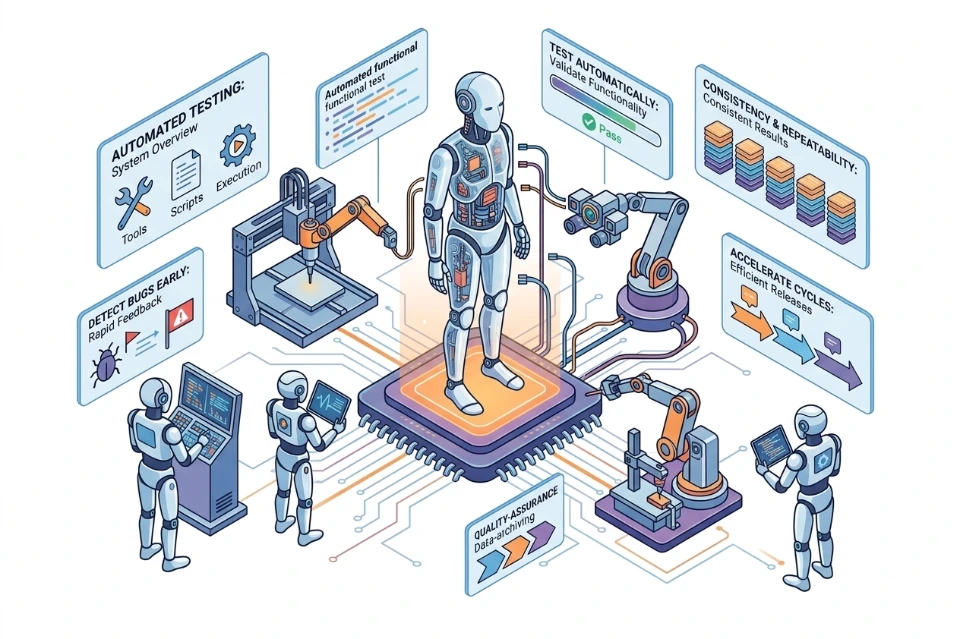
Automated Testing
Test systems automatically
Automated testing uses tools and scripts to execute tests without manual intervention, ensuring consistent and repeatable results. It helps teams quickly validate functionality, detect bugs early, and improve overall efficiency. By integrating automated tests into development pipelines, organizations can accelerate release cycles while maintaining high-quality standards across applications.
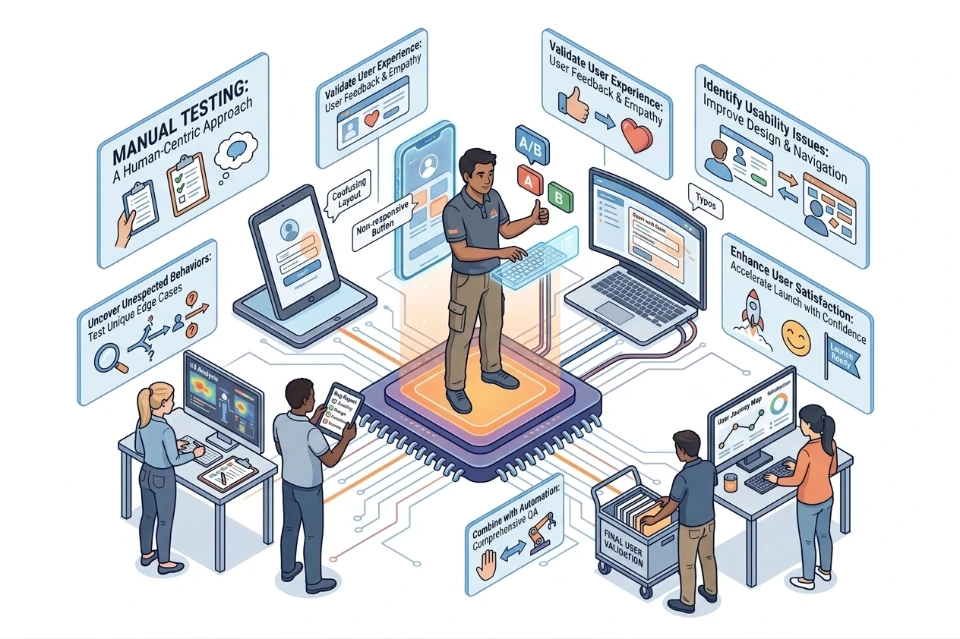
Manual Testing
Validate user experience
Manual testing involves human testers evaluating applications to identify usability issues, design flaws, and unexpected behaviors. It plays a crucial role in understanding real user interactions that automated tests may overlook. Combining manual testing with automated processes ensures a comprehensive quality assurance approach that enhances overall user satisfaction.
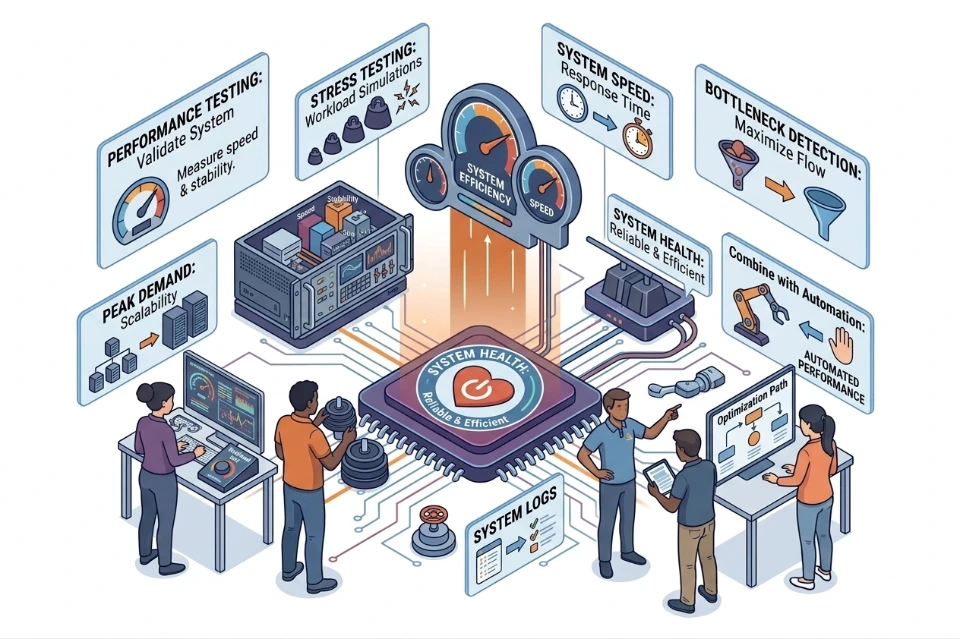
Performance Testing
Measure system performance
Performance testing evaluates how applications behave under different workloads and stress conditions. It helps identify bottlenecks, optimize system speed, and ensure scalability. By simulating real-world usage scenarios, organizations can ensure that their systems remain responsive, stable, and efficient even during peak demand.
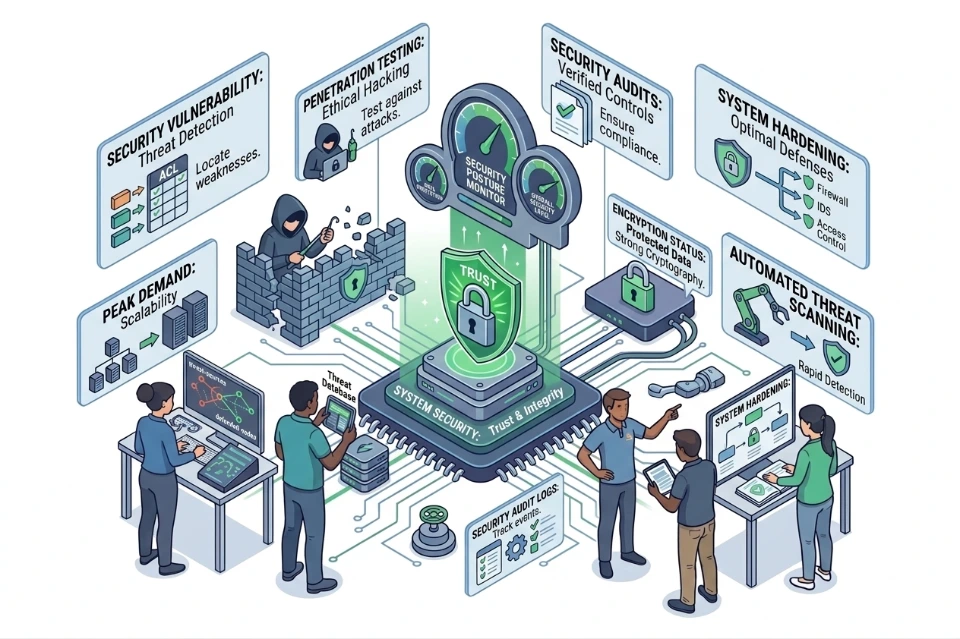
Security Testing
Identify security vulnerabilities
Security testing focuses on detecting weaknesses that could expose systems to cyber threats. It includes vulnerability assessments, penetration testing, and security audits to ensure applications are protected against potential attacks. Strong security testing practices help safeguard sensitive data and maintain trust in digital platforms.
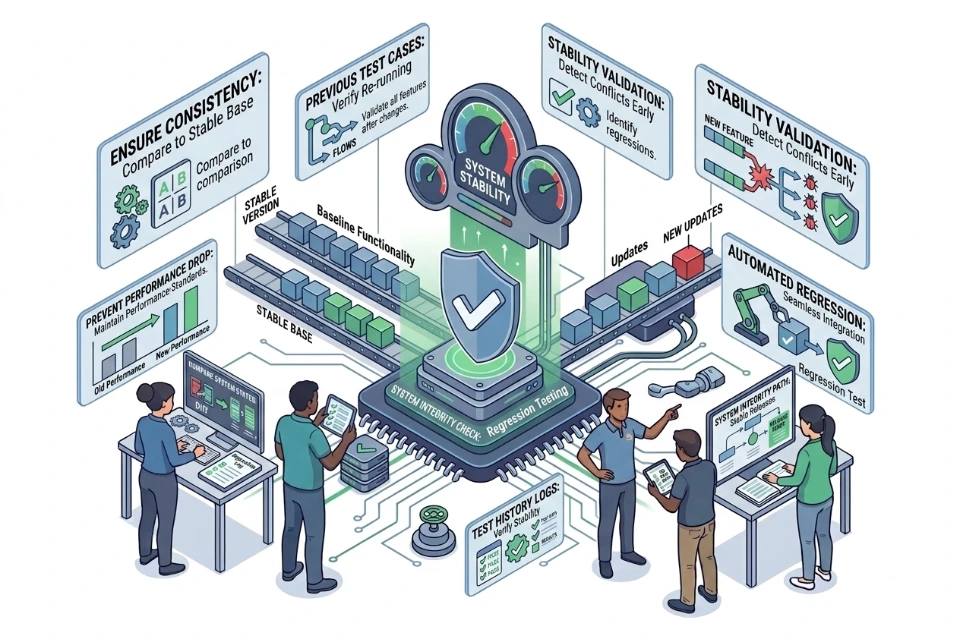
Regression Testing
Ensure updates don’t break systems
Regression testing verifies that new updates or changes do not negatively impact existing functionality. By re-running previous test cases, teams can ensure system stability after modifications. This process is essential for maintaining consistency and preventing new bugs from affecting the overall performance of the application.

Bug Tracking &
Issue Resolution
تتبع الأخطاء
وحل المشكلات التقنية
Bug Tracking and Issue Resolution constitute the rigorous defensive layer of the software development lifecycle, ensuring that every digital product meets the highest standards of functional integrity and performance. Rather than acting as a merely reactive measure, effective Quality Assurance (QA) is a structured, proactive discipline that utilizes sophisticated tracking systems to capture and document discrepancies with granular precision.
يشكل تتبع الأخطاء وحل المشكلات طبقة دفاعية صارمة في دورة حياة تطوير البرمجيات، مما يضمن تلبية كل منتج رقمي لأعلى معايير السلامة الوظيفية والأداء. بدلاً من كونه مجرد إجراء تفاعلي، يعد ضمان الجودة (QA) تخصصاً استباقياً ومنظماً يستخدم أنظمة تتبع متطورة لرصد وتوثيق الفجوات البرمجية بدقة متناهية.
By monitoring the entire lifecycle of an issue—from initial detection to verified resolution—organizations can cultivate a culture of continuous improvement. This systematic approach transforms potential obstacles into documented insights, building a foundation of trust and reliability that defines a truly superior digital product.
من خلال مراقبة دورة حياة المشكلة بالكامل — من الاكتشاف الأولي إلى الحل المعتمد — يمكن للمؤسسات تعزيز ثقافة التحسين المستمر. يحول هذا النهج المنهجي العقبات المحتملة إلى رؤى موثقة، مما يبني أساساً من الثقة والاعتمادية التي تميز المنتجات الرقمية المتفوقة والمرنة.
Bug Tracking &
Issue Resolution
تتبع الأخطاء
وحل المشكلات التقنية
Bug Tracking and Issue Resolution constitute the rigorous defensive layer of the software development lifecycle, ensuring that every digital product meets the highest standards of functional integrity and performance. Rather than acting as a merely reactive measure, effective Quality Assurance (QA) is a structured, proactive discipline that utilizes sophisticated tracking systems to capture and document discrepancies with granular precision.
يشكل تتبع الأخطاء وحل المشكلات طبقة دفاعية صارمة في دورة حياة تطوير البرمجيات، مما يضمن تلبية كل منتج رقمي لأعلى معايير السلامة الوظيفية والأداء. بدلاً من كونه مجرد إجراء تفاعلي، يعد ضمان الجودة (QA) تخصصاً استباقياً ومنظماً يستخدم أنظمة تتبع متطورة لرصد وتوثيق الفجوات البرمجية بدقة متناهية.
By monitoring the entire lifecycle of an issue—from initial detection to verified resolution—organizations can cultivate a culture of continuous improvement. This systematic approach transforms potential obstacles into documented insights, building a foundation of trust and reliability that defines a truly superior digital product.
من خلال مراقبة دورة حياة المشكلة بالكامل — من الاكتشاف الأولي إلى الحل المعتمد — يمكن للمؤسسات تعزيز ثقافة التحسين المستمر. يحول هذا النهج المنهجي العقبات المحتملة إلى رؤى موثقة، مما يبني أساساً من الثقة والاعتمادية التي تميز المنتجات الرقمية المتفوقة والمرنة.
Continuous Testing
in Development
الاختبار المستمر
أثناء التطوير
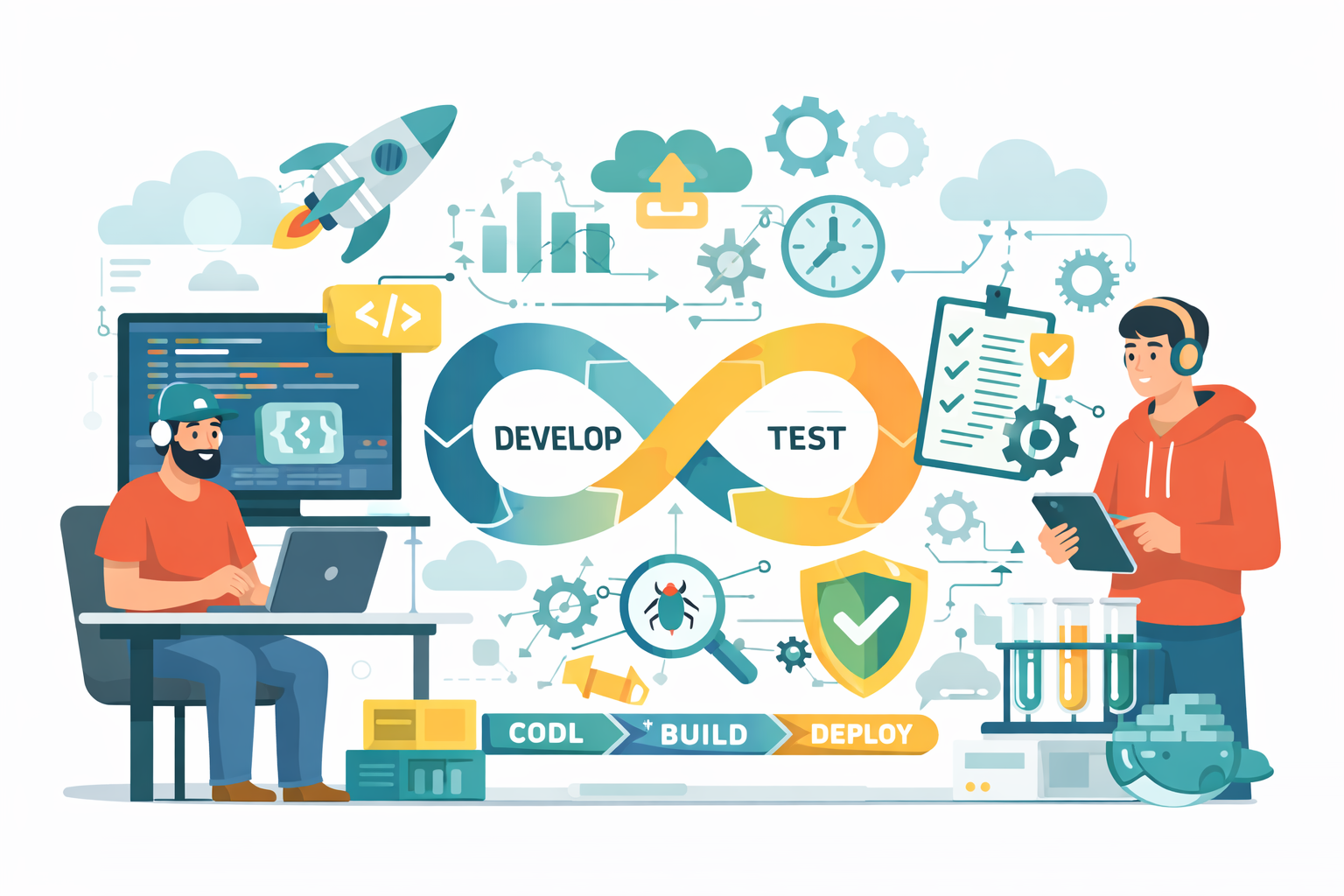
Continuous Testing represents a fundamental shift from traditional quality assurance toward integrated, real-time validation. By adopting a "shift-left" philosophy, we ensure that every line of code is subjected to automated validation at the earliest possible stage, allowing for the immediate detection of discrepancies before they propagate through the system.
يمثل الاختبار المستمر تحولاً جوهرياً من ضمان الجودة التقليدي إلى التحقق المتكامل في الوقت الفعلي. من خلال تبني فلسفة "الإزاحة لليسار"، نضمن خضوع كل سطر برمجي للتحقق الآلي في أبكر مرحلة ممكنة، مما يسمح بالاكتشاف الفوري للتعارضات قبل انتشارها في النظام.
This systematic rigor does more than just prevent functional regressions; it enhances the overall resilience of the digital product. By treating quality as an ongoing architectural requirement, development teams maintain high-velocity output while mitigating technical debt and delivering superior user experiences.
تتجاوز هذه الدقة المنهجية مجرد منع التراجع في الوظائف؛ فهي تعزز المرونة العامة للمنتج الرقمي. من خلال التعامل مع الجودة كمتطلب معماري مستمر، تحافظ فرق التطوير على إنتاجية عالية السرعة مع تقليل الديون التقنية وتقديم تجارب مستخدم متميزة.
Continuous Testing
in Development
الاختبار المستمر
أثناء التطوير
Continuous Testing represents a fundamental shift from traditional quality assurance toward integrated, real-time validation. By adopting a "shift-left" philosophy, we ensure that every line of code is subjected to automated validation at the earliest possible stage, allowing for the immediate detection of discrepancies before they propagate through the system.
يمثل الاختبار المستمر تحولاً جوهرياً من ضمان الجودة التقليدي إلى التحقق المتكامل في الوقت الفعلي. من خلال تبني فلسفة "الإزاحة لليسار"، نضمن خضوع كل سطر برمجي للتحقق الآلي في أبكر مرحلة ممكنة، مما يسمح بالاكتشاف الفوري للتعارضات قبل انتشارها في النظام.
This systematic rigor does more than just prevent functional regressions; it enhances the overall resilience of the digital product. By treating quality as an ongoing architectural requirement, development teams maintain high-velocity output while mitigating technical debt and delivering superior user experiences.
تتجاوز هذه الدقة المنهجية مجرد منع التراجع في الوظائف؛ فهي تعزز المرونة العامة للمنتج الرقمي. من خلال التعامل مع الجودة كمتطلب معماري مستمر، تحافظ فرق التطوير على إنتاجية عالية السرعة مع تقليل الديون التقنية وتقديم تجارب مستخدم متميزة.
What We Can Do For You
We implement structured testing approaches to ensure your application is reliable and error-free.
We verify system features and ensure all components work seamlessly together.
We simulate real user journeys to validate complete workflows and user interactions.
We automate repetitive tests to improve speed, accuracy, and consistency in QA processes.
We evaluate usability, design, and user experience through detailed manual testing.
We test system speed, stability, and scalability to ensure performance under high demand.
تواصل معنا اليوم!
شركتي
- Garhoud Views Building – 7th Floor -Office 711-01 Dubai UAE
- +971509862203
- +971509862239
- info@itdtech.ae