
Things to Know About
أشياء يجب معرفتها

Containerization الحاويات البرمجية
Package apps with dependencies for easy deployment تجميع التطبيقات داخل حاويات معزولة لضمان بيئات متسقة

Orchestration تنسيق الحاويات
Scaling workload and ensuring system stability تنسيق الحاويات لتوزيع الأحمال وضمان استقرار الأنظمة

Automated Management الإدارة المؤتمتة
Monitoring and resource optimization for stability إدارة الأنظمة عبر المراقبة وتحسين الموارد والاستقرار

Environment Consistency توحيد البيئات
Identical environments across Dev, Test, and Production توحيد بيئات التطوير والاختبار والإنتاج لضمان الأداء

Lightweight Deployment نشر خفيف وسريع
Fast container startup and efficient resource usage نشر سريع بحاويات خفيفة مع كفاءة موارد وقابلية توسع

Scalability & Resilience القابلية للتوسع والمرونة
Resilient performance and high availability أنظمة مرنة قابلة للتوسع تدعم توفر عالي وأداء ثابت
Things to Know About
أشياء يجب معرفتها
Containerization الحاويات البرمجية
Package apps with dependencies for easy deployment تجميع التطبيقات داخل حاويات معزولة لضمان بيئات متسقة
Orchestration تنسيق الحاويات
Scaling workload and ensuring system stability تنسيق الحاويات لتوزيع الأحمال وضمان استقرار الأنظمة
Automated Management الإدارة المؤتمتة
Monitoring and resource optimization for stability إدارة الأنظمة عبر المراقبة وتحسين الموارد والاستقرار
Environment Consistency توحيد البيئات
Identical environments across Dev, Test, and Production توحيد بيئات التطوير والاختبار والإنتاج لضمان الأداء
Lightweight Deployment نشر خفيف وسريع
Fast container startup and efficient resource usage نشر سريع بحاويات خفيفة مع كفاءة موارد وقابلية توسع
Scalability & Resilience القابلية للتوسع والمرونة
Resilient performance and high availability أنظمة مرنة قابلة للتوسع تدعم توفر عالي وأداء ثابت
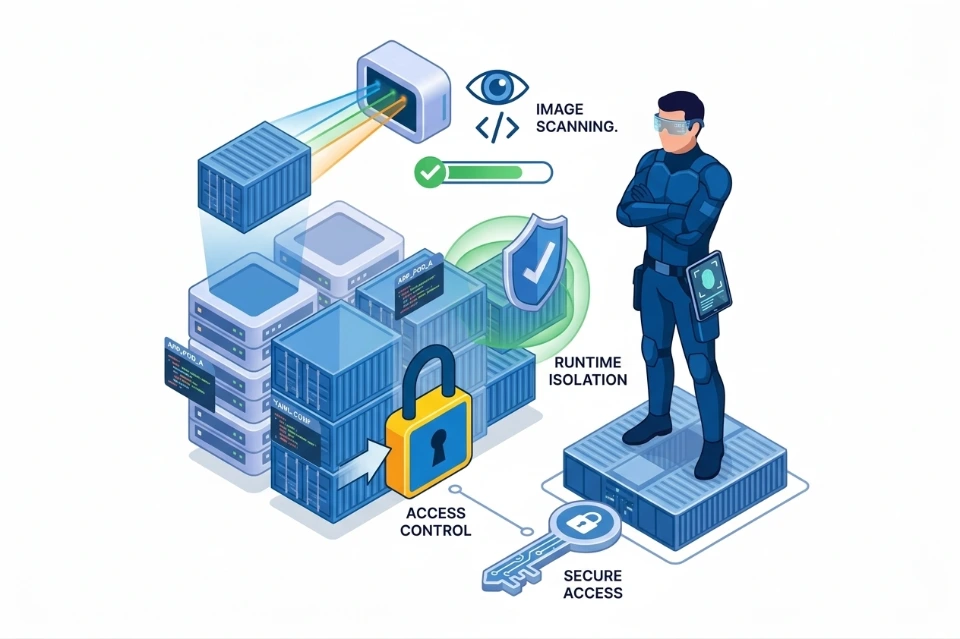
Container Security
Protect container environments
Container security focuses on safeguarding applications, images, and runtime environments from vulnerabilities and threats. This includes scanning container images for security issues, enforcing access controls, and isolating workloads to prevent breaches. By implementing strong security practices throughout the container lifecycle, organizations can reduce risks while maintaining the flexibility and speed of containerized systems.
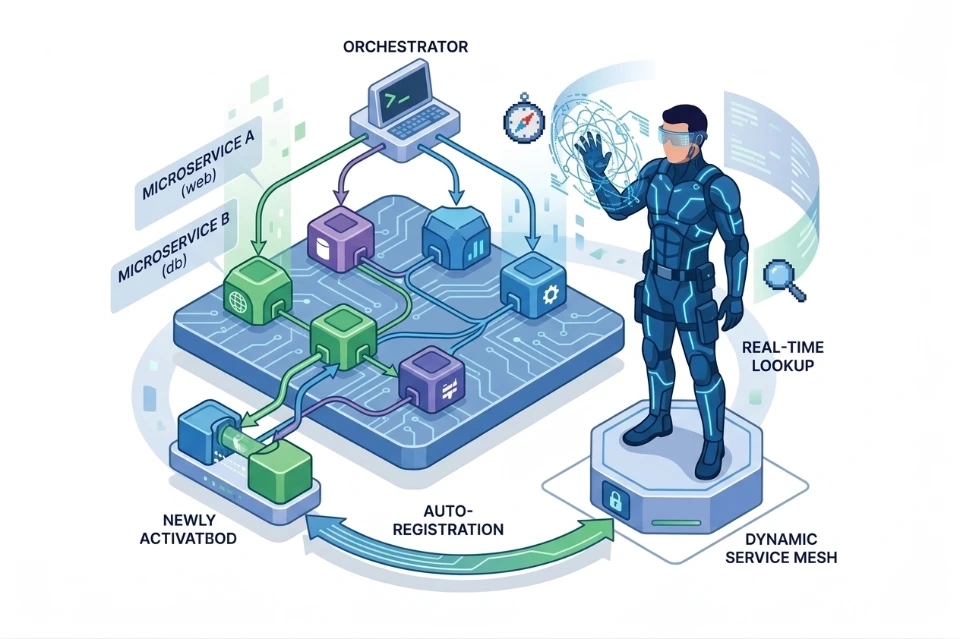
Service Discovery
Enable dynamic service connection
Service discovery allows containers and microservices to automatically locate and communicate with each other within dynamic environments. As containers are created, scaled, or removed, orchestration systems update service locations in real time. This ensures seamless communication between components, improves system flexibility, and supports efficient scaling without manual configuration.
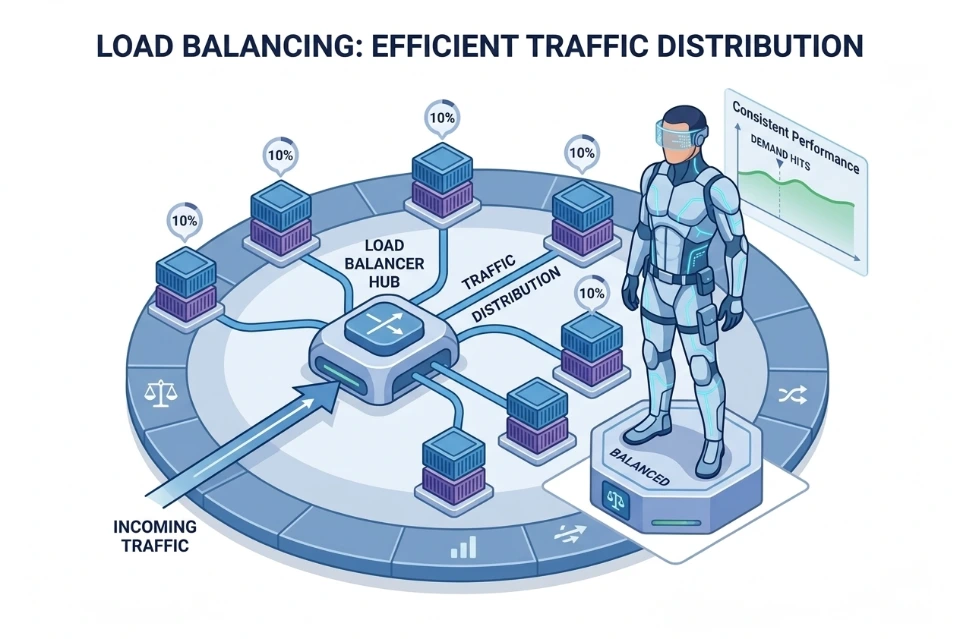
Load Balancing
Distribute traffic efficiently
Load balancing ensures that incoming traffic is evenly distributed across multiple containers or services to prevent overload on any single instance. This improves performance, reliability, and availability of applications. By automatically routing traffic based on demand, systems can handle high volumes of users while maintaining consistent performance.
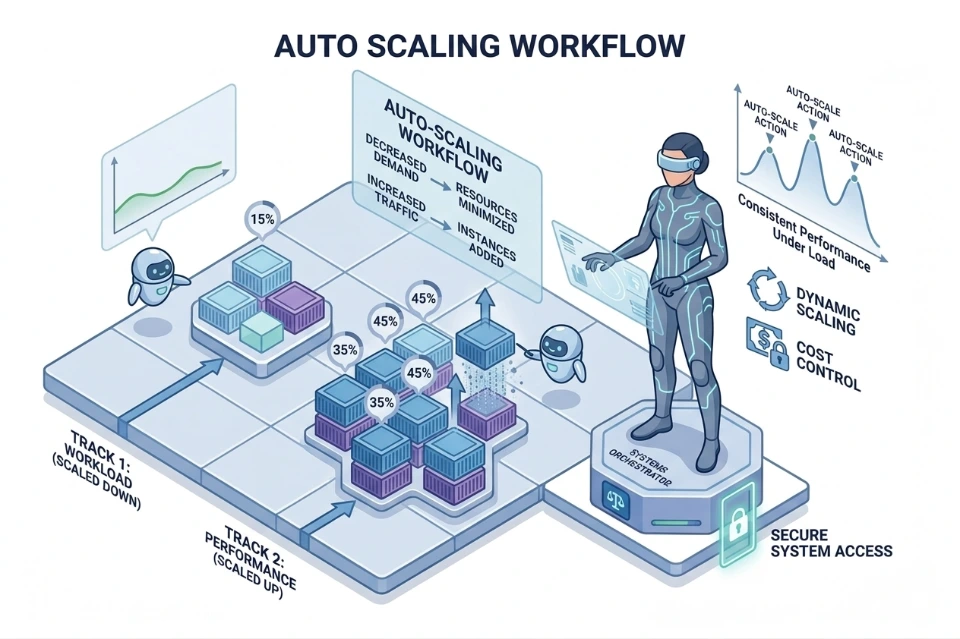
Auto Scaling
Scale resources automatically
Auto scaling enables systems to adjust resources dynamically based on workload demands. When traffic increases, additional containers are deployed; when demand decreases, resources are scaled down. This ensures optimal performance while controlling costs, allowing applications to remain responsive and efficient under varying conditions.
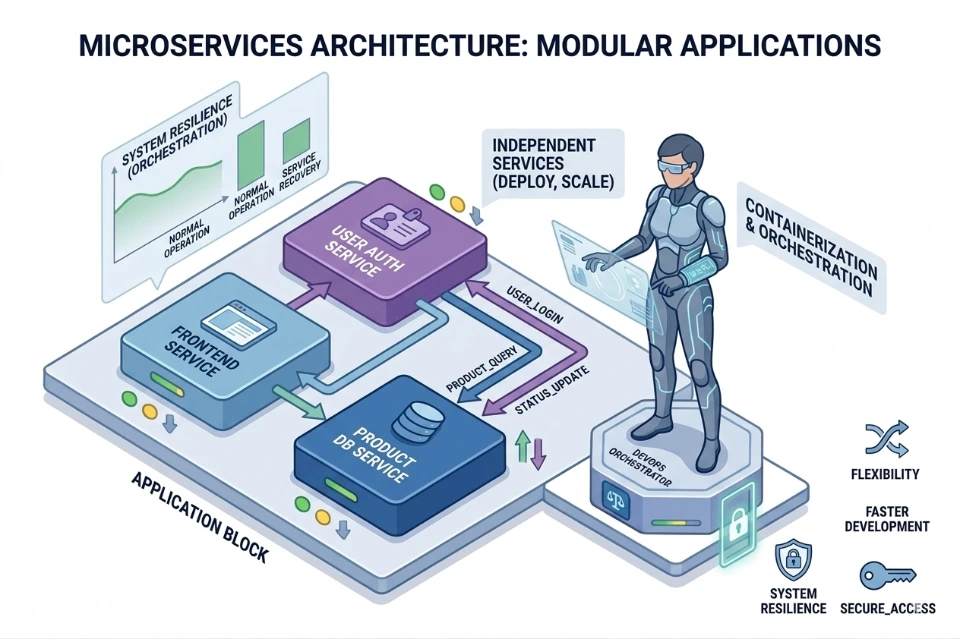
Microservices Architecture
Build modular applications
Microservices architecture breaks applications into smaller, independent services that can be developed, deployed, and scaled individually. Containerization supports this approach by packaging each service separately, while orchestration manages their interaction. This results in greater flexibility, faster development cycles, and improved system resilience.

Efficient Resource Management إدارة الموارد الفعالة
Optimizing your digital footprint by dynamically allocating resources in real-time. We move beyond static environments to ensure workloads receive exactly what they need for peak performance and fiscal responsibility. تحسين بصمتك الرقمية من خلال تخصيص الموارد ديناميكياً في الوقت الفعلي. نحن نتخطى البيئات الثابتة لضمان حصول أعباء العمل على ما تحتاجه بالضبط لتحقيق ذروة الأداء والمسؤولية المالية.
Efficient Resource Management إدارة الموارد الفعالة
Optimizing your digital footprint by dynamically allocating resources in real-time. We move beyond static environments to ensure workloads receive exactly what they need for peak performance and fiscal responsibility. تحسين بصمتك الرقمية من خلال تخصيص الموارد ديناميكياً في الوقت الفعلي. نحن نتخطى البيئات الثابتة لضمان حصول أعباء العمل على ما تحتاجه بالضبط لتحقيق ذروة الأداء والمسؤولية المالية.
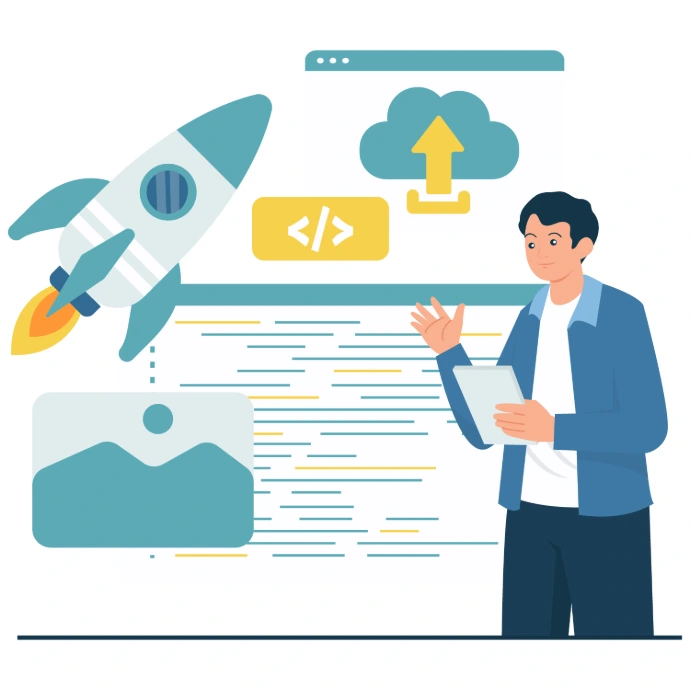
Continuous Deployment & Updates النشر والتحديث المستمر
We transform the software lifecycle into a perpetual stream of value. By leveraging containerized environments, we implement zero-downtime updates and automated health checks, ensuring your digital product matures in real-time without service interruption. نحن نحول دورة حياة البرمجيات إلى تدفق مستمر للقيمة. من خلال الاستفادة من بيئات الحاويات، نقوم بتنفيذ تحديثات دون انقطاع وفحوصات تلقائية للسلامة، مما يضمن نضج منتجك الرقمي في الوقت الفعلي دون تعطل الخدمة.
Continuous Deployment & Updates النشر والتحديث المستمر
We transform the software lifecycle into a perpetual stream of value. By leveraging containerized environments, we implement zero-downtime updates and automated health checks, ensuring your digital product matures in real-time without service interruption. نحن نحول دورة حياة البرمجيات إلى تدفق مستمر للقيمة. من خلال الاستفادة من بيئات الحاويات، نقوم بتنفيذ تحديثات دون انقطاع وفحوصات تلقائية للسلامة، مما يضمن نضج منتجك الرقمي في الوقت الفعلي دون تعطل الخدمة.
What We Can Do For You
We package and deploy applications using containers for faster and consistent performance.
We optimize system resources to improve performance and reduce infrastructure overhead.
We automate deployment, scaling, and management of containers across multiple environments.
We ensure applications scale dynamically and distribute traffic efficiently under demand.
We monitor container health and automatically restart or replace failed components.
We design systems that maintain performance and uptime even during high traffic or failures.
Let's Connect Today!
My Company
- Garhoud Views Building – 7th Floor -Office 711-01 Dubai UAE
- +971509862203
- +971509862239
- info@itdtech.ae