
Pillars of Technical & On-Page SEO
Optimizing Structure, Content, and Performance
Technical Foundation Setup
Build a strong backend structure that ensures fast loading, smooth crawling, and proper indexing. Optimizing site architecture, code efficiency, and mobile responsiveness improves performance and supports higher rankings.
On-Page Content Precision
Enhance page relevance by optimizing headings, keywords, and content structure. Well-organized pages aligned with search intent improve visibility, boost engagement, and help search engines understand your content better.
Continuous Optimization Cycle
Maintain long-term SEO success through regular monitoring, updates, and performance improvements. Analyzing data, fixing issues, and refining strategies ensures your website adapts to changes and sustains growth.
Things To Know About

Technical SEO تحسين تقني
Improve structure, speed, and accessibility. تحسين الهيكل والسرعة وإمكانية الوصول.

On-Page SEO تحسين داخل الصفحة
Optimize content for better relevance and ranking. تحسين المحتوى لزيادة الصلة والترتيب.

Structured Content تنظيم المحتوى
Organize content for clarity and usability. تنظيم المحتوى لسهولة الفهم والاستخدام.

Content Elements عناصر المحتوى
Use titles, tags, and keywords effectively. استخدام العناوين والكلمات المفتاحية بفعالية.

Internal Linking الربط الداخلي
Connect pages to improve navigation and SEO. ربط الصفحات لتحسين التنقل وSEO.

Image Optimization تحسين الصور
Optimize images for speed and accessibility. تحسين الصور للسرعة وإمكانية الوصول.
Technical SEO تحسين تقني
Improve structure, speed, and accessibility. تحسين الهيكل والسرعة وإمكانية الوصول.
On-Page SEO تحسين داخل الصفحة
Optimize content for better relevance and ranking. تحسين المحتوى لزيادة الصلة والترتيب.
Structured Content تنظيم المحتوى
Organize content for clarity and usability. تنظيم المحتوى لسهولة الفهم والاستخدام.
Content Elements عناصر المحتوى
Use titles, tags, and keywords effectively. استخدام العناوين والكلمات المفتاحية بفعالية.
Internal Linking الربط الداخلي
Connect pages to improve navigation and SEO. ربط الصفحات لتحسين التنقل وSEO.
Image Optimization تحسين الصور
Optimize images for speed and accessibility. تحسين الصور للسرعة وإمكانية الوصول.
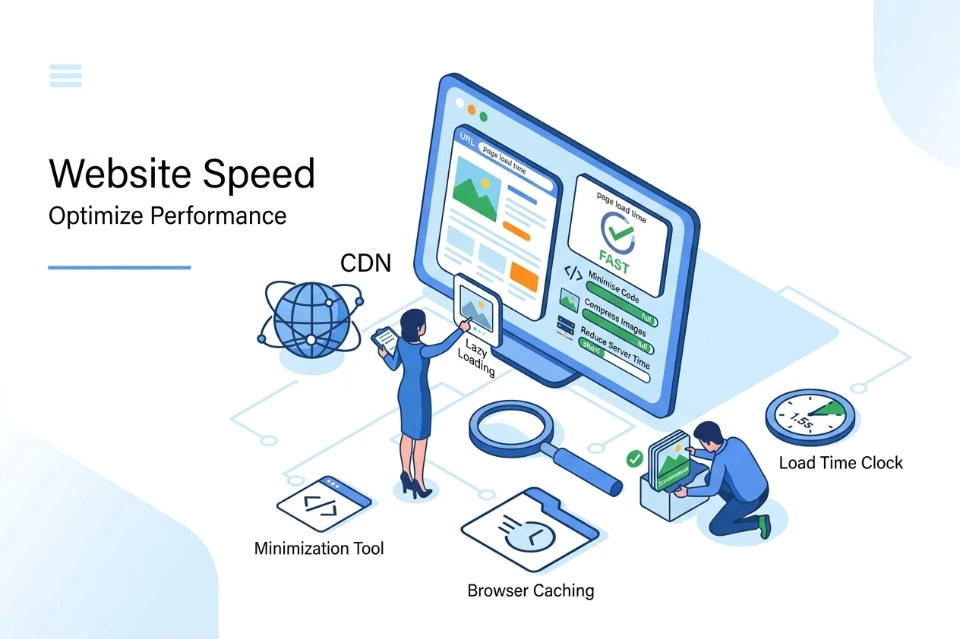
Website Speed Optimization
Improve Load Performance
Website speed optimization is critical for both user experience and search engine rankings. Fast-loading pages reduce bounce rates and keep visitors engaged, while slow websites often lead to lost traffic and lower conversions. Key improvements include minimizing code, enabling browser caching, compressing images, and reducing server response time. Using modern technologies such as lazy loading and content delivery networks (CDNs) further enhances performance. Speed is also a ranking factor, especially for mobile searches, making it essential for SEO success. A well-optimized website ensures smooth navigation, quicker interactions, and a seamless browsing experience, helping businesses retain users and improve overall digital performance.
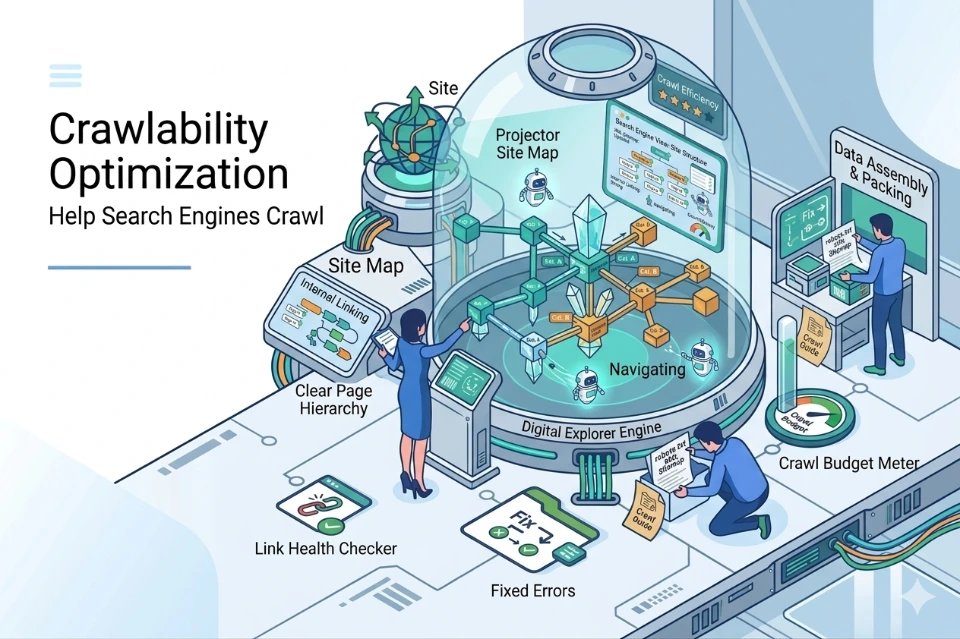
Crawlability Optimization
Help Search Engines Crawl
Crawlability optimization ensures that search engines can efficiently discover and index your website’s content. This involves creating a clean site structure, using proper internal linking, and maintaining an updated XML sitemap. Robots.txt files guide search engines on which pages to access, while fixing broken links and redirect errors improves crawling efficiency. Clear navigation and logical page hierarchy help both users and search engines understand your site better. Optimizing crawlability ensures that important pages are indexed correctly, improving visibility and search rankings. A well-structured site allows search engines to navigate seamlessly, maximizing your chances of appearing in relevant search results.
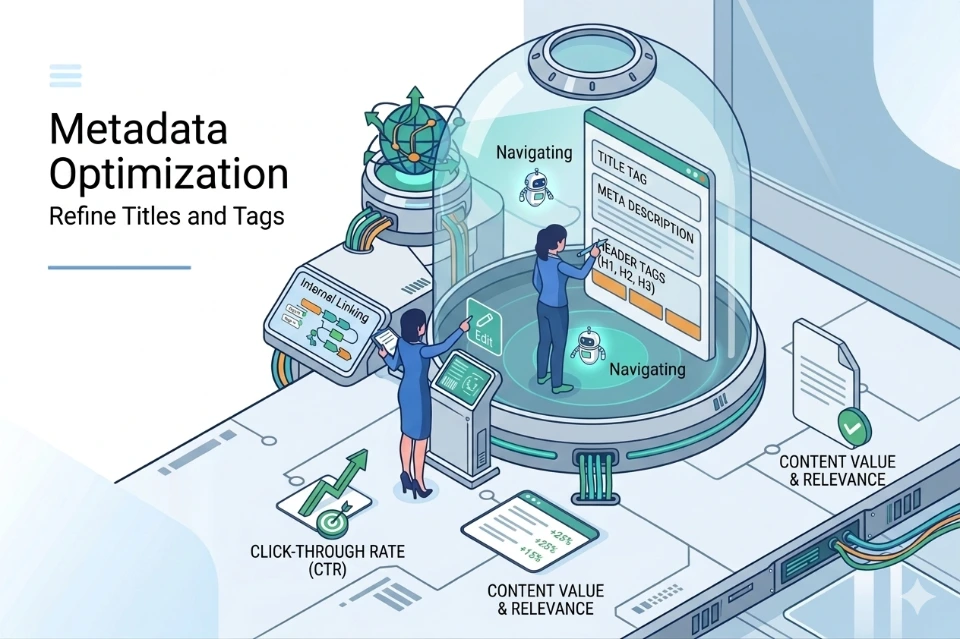
Metadata Optimization
Refine Titles and Tags
Metadata optimization focuses on improving title tags, meta descriptions, and other HTML elements that influence how your pages appear in search results. Well-crafted titles with relevant keywords improve click-through rates, while compelling meta descriptions encourage users to visit your site. Proper use of header tags (H1, H2, H3) helps structure content and enhances readability. Consistent and optimized metadata also helps search engines understand page context and relevance. Avoiding duplication and keeping tags concise ensures better performance. Effective metadata not only improves rankings but also enhances user engagement by clearly communicating the value of your content in search listings.
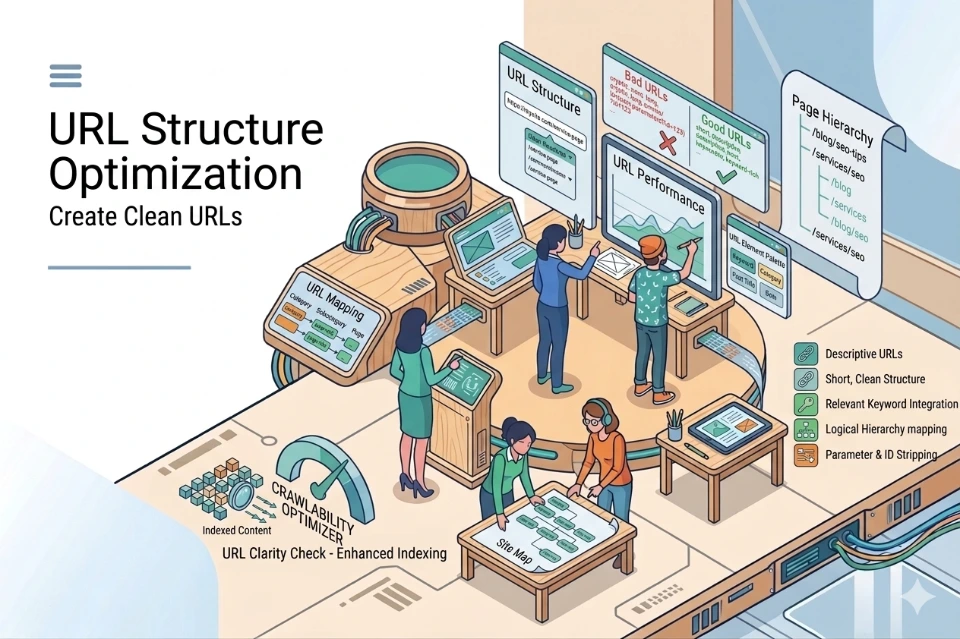
URL Structure Optimization
Create Clean URLs
A clear and organized URL structure plays an important role in both SEO and user experience. Clean URLs that include relevant keywords make it easier for search engines to understand page content and improve indexing. Short, descriptive URLs are more user-friendly and easier to share, increasing engagement and trust. Avoiding unnecessary parameters, special characters, and long strings ensures better readability and performance. Consistent URL hierarchy reflects the structure of your website, helping users navigate more efficiently. By optimizing URLs, businesses can improve crawlability, enhance clarity, and contribute to stronger overall SEO performance.
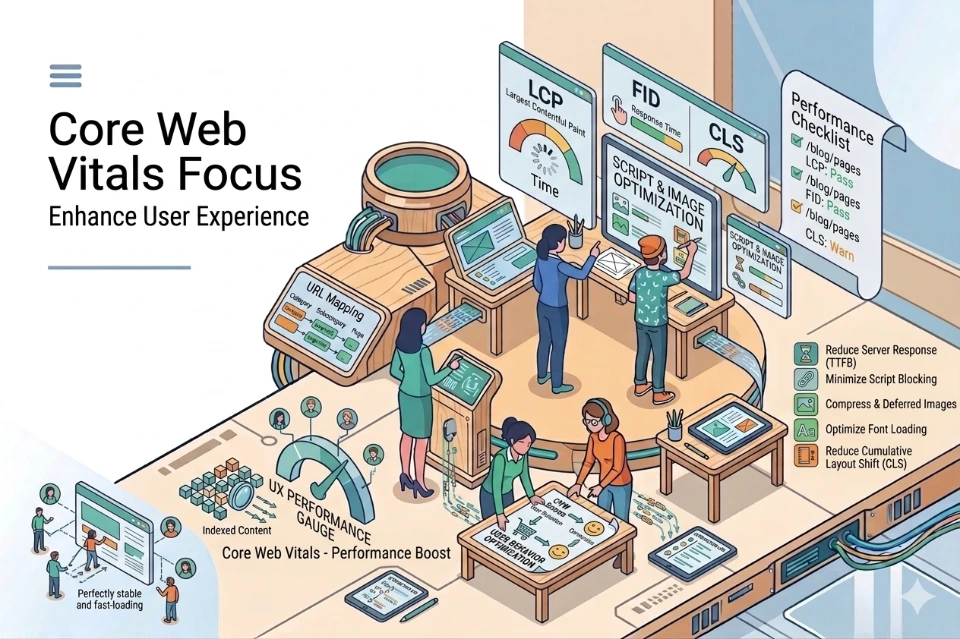
Core Web Vitals Focus
Enhance User Experience
Core Web Vitals are key performance metrics that measure user experience, including loading speed, interactivity, and visual stability. These factors play a significant role in search rankings and overall usability. Metrics such as Largest Contentful Paint (LCP), First Input Delay (FID), and Cumulative Layout Shift (CLS) help identify areas for improvement. Optimizing these elements ensures faster loading, smoother interactions, and stable page layouts. Reducing layout shifts, improving server response times, and optimizing scripts contribute to better scores. By focusing on Core Web Vitals, businesses can deliver a high-quality user experience while strengthening their SEO performance and maintaining competitive search visibility.
Mobile-First Engineering
هندسة الجوال أولاً
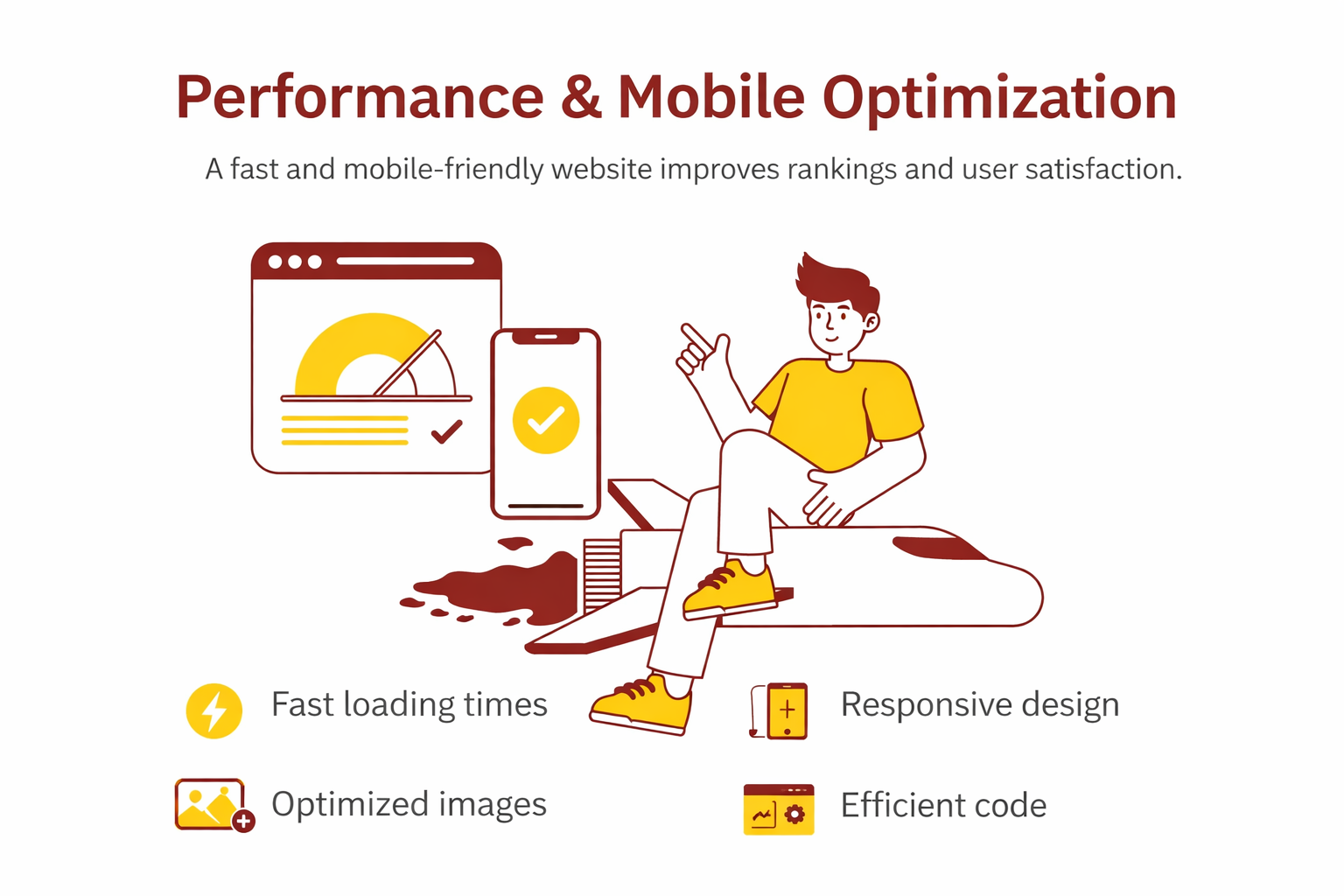
Performance & Mobile Optimization
الأداء وتحسين الهواتف المحمولة
Native-Level Responsiveness
استجابة بمستوى التطبيقات الأصلية
Utilizing "Mobile-First" engineering to ensure complex portals and stores function with fluid responsiveness across all handheld devices.
استخدام هندسة "الجوال أولاً" لضمان عمل البوابات والمتاجر المعقدة باستجابة سلسة عبر جميع الأجهزة المحمولة.
Lightning-Fast Experience
تجربة فائقة السرعة
Optimizing the Critical Rendering Path and utilizing asset compression to eliminate lag, regardless of the user's connection speed.
تحسين مسار العرض الحرج واستخدام ضغط الأصول للتخلص من التأخير، بغض النظر عن سرعة اتصال المستخدم.
Core Web Vitals Hygiene
سلامة مؤشرات الويب الحيوية
Leveraging modern frameworks like Next.js to ensure sites load instantly and remain visually stable, dominating competition in search visibility.
الاستفادة من الأطر الحديثة مثل Next.js لضمان تحميل المواقع فوراً وبقائها مستقرة بصرياً، مما يتصدر المنافسة في ظهور البحث.
Mobile-First Engineering
هندسة الجوال أولاً
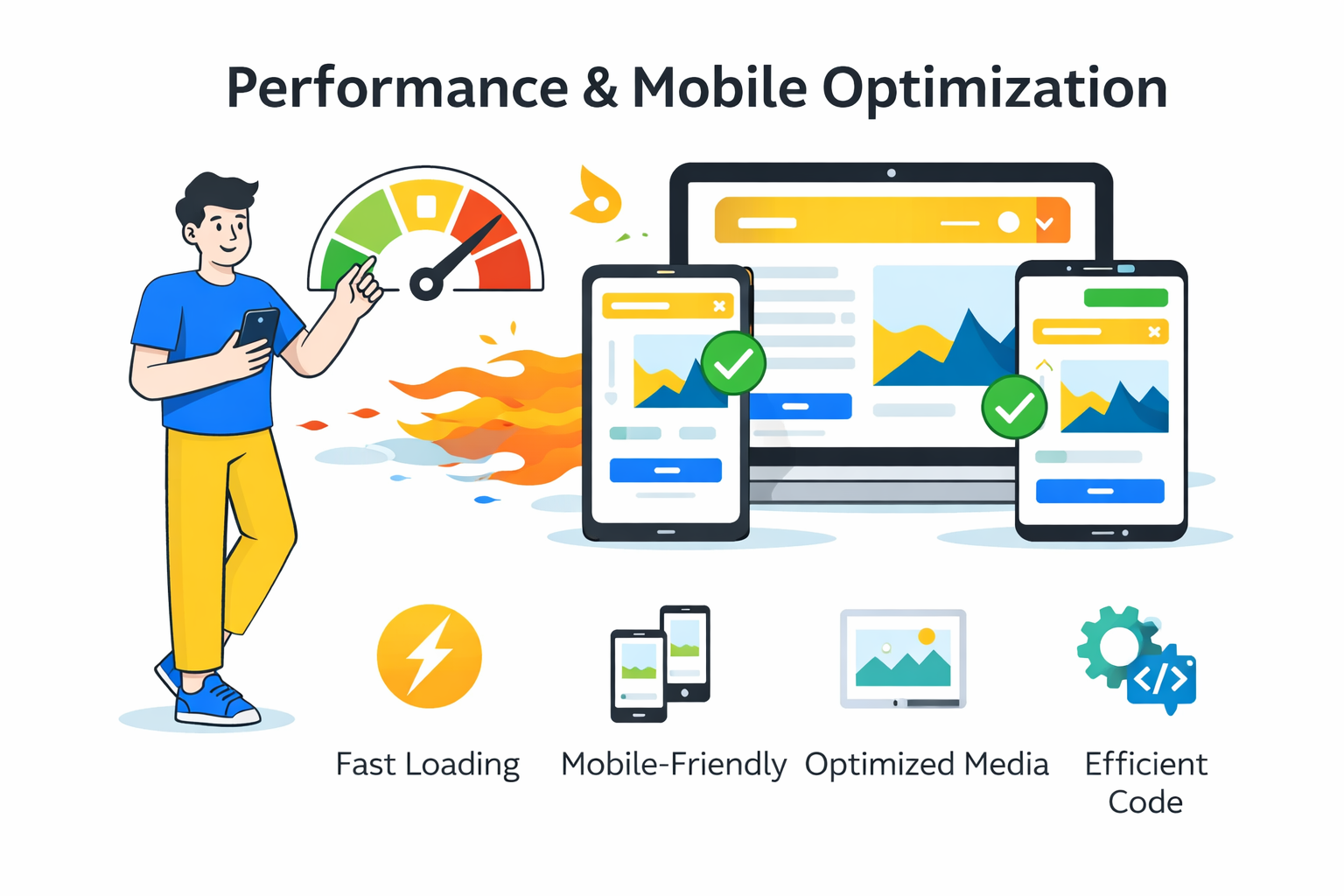
Performance & Mobile Optimization
الأداء وتحسين الهواتف المحمولة
Native-Level Responsiveness
استجابة بمستوى التطبيقات الأصلية
Utilizing "Mobile-First" engineering to ensure complex portals and stores function with fluid responsiveness across all handheld devices.
استخدام هندسة "الجوال أولاً" لضمان عمل البوابات والمتاجر المعقدة باستجابة سلسة عبر جميع الأجهزة المحمولة.
Lightning-Fast Experience
تجربة فائقة السرعة
Optimizing the Critical Rendering Path and utilizing asset compression to eliminate lag, regardless of the user's connection speed.
تحسين مسار العرض الحرج واستخدام ضغط الأصول للتخلص من التأخير، بغض النظر عن سرعة اتصال المستخدم.
Core Web Vitals Hygiene
سلامة مؤشرات الويب الحيوية
Leveraging modern frameworks like Next.js to ensure sites load instantly and remain visually stable, dominating competition in search visibility.
الاستفادة من الأطر الحديثة مثل Next.js لضمان تحميل المواقع فوراً وبقائها مستقرة بصرياً، مما يتصدر المنافسة في ظهور البحث.
Data-Driven Evolution
التطور القائم على البيانات
Monitoring & Continuous Improvement
المراقبة والتحسين المستمر
Actionable Insights Feedback Loop
حلقة تغذية مرتدة للرؤى القابلة للتنفيذ
Transforming raw user interactions into empirical evidence through 24/7 automated monitoring and deep-tier behavioral analytics.
تحويل تفاعلات المستخدم الخام إلى أدلة تجريبية من خلال المراقبة المؤتمتة على مدار الساعة والتحليلات السلوكية العميقة.
Iterative Excellence & ROI
التميز التكراري وعائد الاستثمار
Regular performance audits and A/B testing ensure your infrastructure remains a high-performance asset rather than a legacy burden.
تضمن عمليات تدقيق الأداء المنتظمة واختبارات A/B بقاء بنيتك التحتية كأصل عالي الأداء بدلاً من كونها عبئاً قديماً.
Proactive Technology Integration
التكامل الاستباقي للتكنولوجيا
Staying ahead of user expectations by proactively integrating emerging technologies like Agentic AI and Edge functions into your ecosystem.
البقاء في صدارة توقعات المستخدمين من خلال دمج التقنيات الناشئة بشكل استباقي مثل الذكاء الاصطناعي الوكيل ووظائف Edge في بيئتك الرقمية.
Data-Driven Evolution
التطور القائم على البيانات
Monitoring & Continuous Improvement
المراقبة والتحسين المستمر
Actionable Insights Feedback Loop
حلقة تغذية مرتدة للرؤى القابلة للتنفيذ
Transforming raw user interactions into empirical evidence through 24/7 automated monitoring and deep-tier behavioral analytics.
تحويل تفاعلات المستخدم الخام إلى أدلة تجريبية من خلال المراقبة المؤتمتة على مدار الساعة والتحليلات السلوكية العميقة.
Iterative Excellence & ROI
التميز التكراري وعائد الاستثمار
Regular performance audits and A/B testing ensure your infrastructure remains a high-performance asset rather than a legacy burden.
تضمن عمليات تدقيق الأداء المنتظمة واختبارات A/B بقاء بنيتك التحتية كأصل عالي الأداء بدلاً من كونها عبئاً قديماً.
Proactive Technology Integration
التكامل الاستباقي للتكنولوجيا
Staying ahead of user expectations by proactively integrating emerging technologies like Agentic AI and Edge functions into your ecosystem.
البقاء في صدارة توقعات المستخدمين من خلال دمج التقنيات الناشئة بشكل استباقي مثل الذكاء الاصطناعي الوكيل ووظائف Edge في بيئتك الرقمية.
What We Can Do For You
We optimize your website’s backend structure to improve crawling, indexing, and search visibility.
We enhance loading speed and overall performance to improve rankings and user experience.
We implement HTTPS, clean URLs, and proper sitemap configurations for better indexing.
We design clear site architecture and internal linking for improved navigation and SEO.
We ensure all pages are accessible, error-free, and properly indexed by search engines.
We optimize content with targeted keywords and structure to improve relevance and rankings.

Let's Connect
Have a project in mind or need expert guidance? Connect with our team to discuss your ideas and discover how we can help turn them into effective digital solutions.