
Things To Know About

Enterprise Platforms منصات المؤسسات
Support large-scale operations and workflows. دعم العمليات وسير العمل على نطاق واسع.

Unified Systems أنظمة موحدة
Integrate multiple business functions in one place. دمج وظائف الأعمال المختلفة في مكان واحد.

Scalability & Performance القابلية للتوسع والأداء
Handle growth while maintaining speed and stability. مواكبة النمو مع الحفاظ على السرعة والاستقرار.

Centralized Data بيانات مركزية
Manage large datasets across departments easily. إدارة كميات كبيرة من البيانات عبر الأقسام بسهولة.

System Integration تكامل الأنظمة
Connect CRM, ERP, and business tools seamlessly. ربط أنظمة CRM وERP وأدوات الأعمال بسلاسة.

Business Efficiency كفاءة الأعمال
Improve decisions with real-time insights. تحسين القرارات من خلال رؤى فورية.
Enterprise Platforms منصات المؤسسات
Support large-scale operations and workflows. دعم العمليات وسير العمل على نطاق واسع.
Unified Systems أنظمة موحدة
Integrate multiple business functions in one place. دمج وظائف الأعمال المختلفة في مكان واحد.
Scalability & Performance القابلية للتوسع والأداء
Handle growth while maintaining speed and stability. مواكبة النمو مع الحفاظ على السرعة والاستقرار.
Centralized Data بيانات مركزية
Manage large datasets across departments easily. إدارة كميات كبيرة من البيانات عبر الأقسام بسهولة.
System Integration تكامل الأنظمة
Connect CRM, ERP, and business tools seamlessly. ربط أنظمة CRM وERP وأدوات الأعمال بسلاسة.
Business Efficiency كفاءة الأعمال
Improve decisions with real-time insights. تحسين القرارات من خلال رؤى فورية.
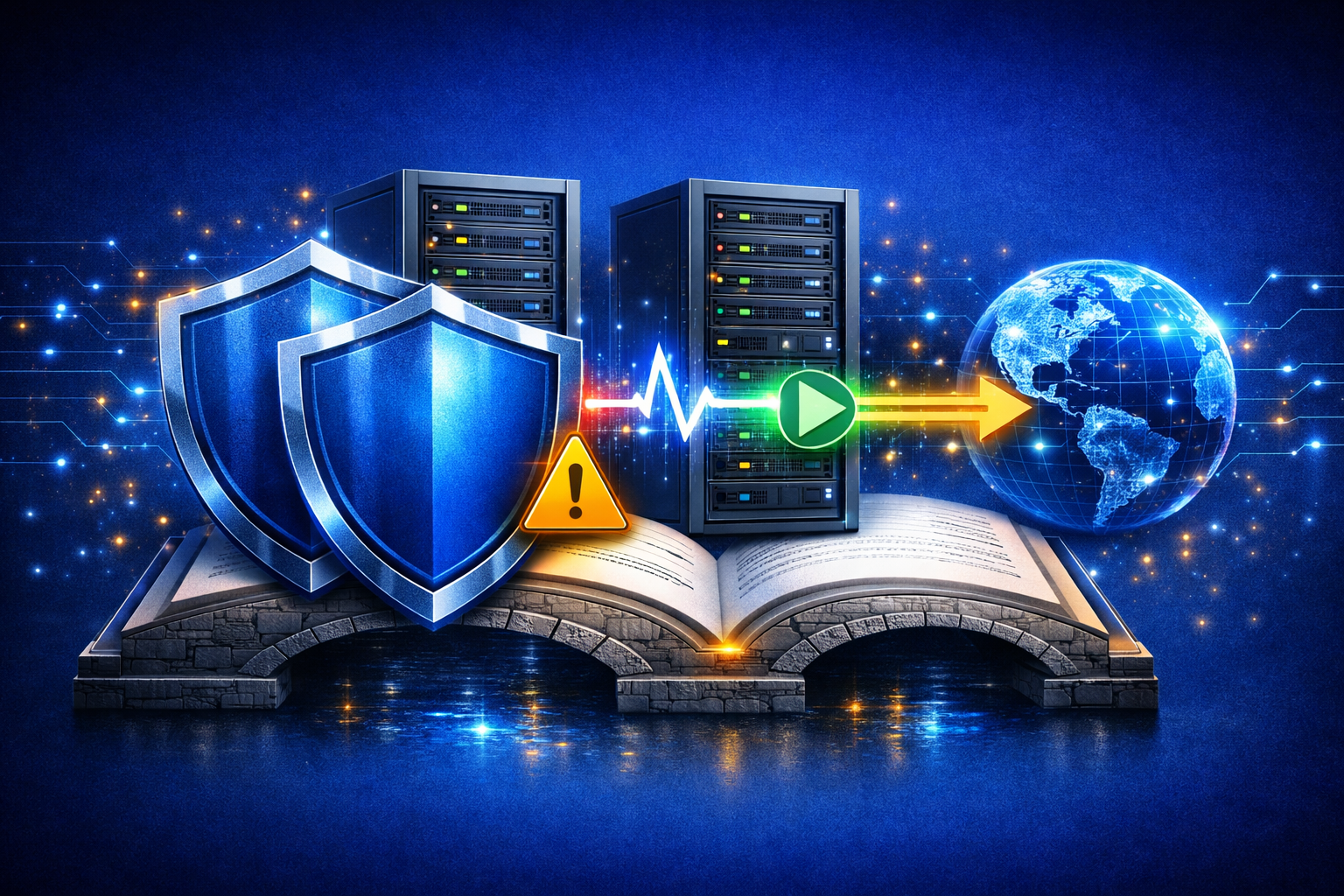
High Availability & Fault Tolerance Architecture
Ensuring 100% uptime through redundant infrastructure
Enterprise platforms must be engineered to eliminate single points of failure. By implementing high-availability (HA) clusters, the system ensures that if one server or component fails, traffic is instantly rerouted to a healthy node without the user ever noticing a delay.
Key Areas Include:
Automatic Failover: Instant switching to backup systems during hardware failure.
Health Checks: Continuous monitoring of server response status.
Redundant Database Clusters: Mirroring data across multiple physical locations.
Self-Healing Infrastructure: Automated restarts of crashed services.
Geographic Redundancy: Hosting across multiple regions to survive local outages.
Intelligent Load Balancing & Traffic Distribution
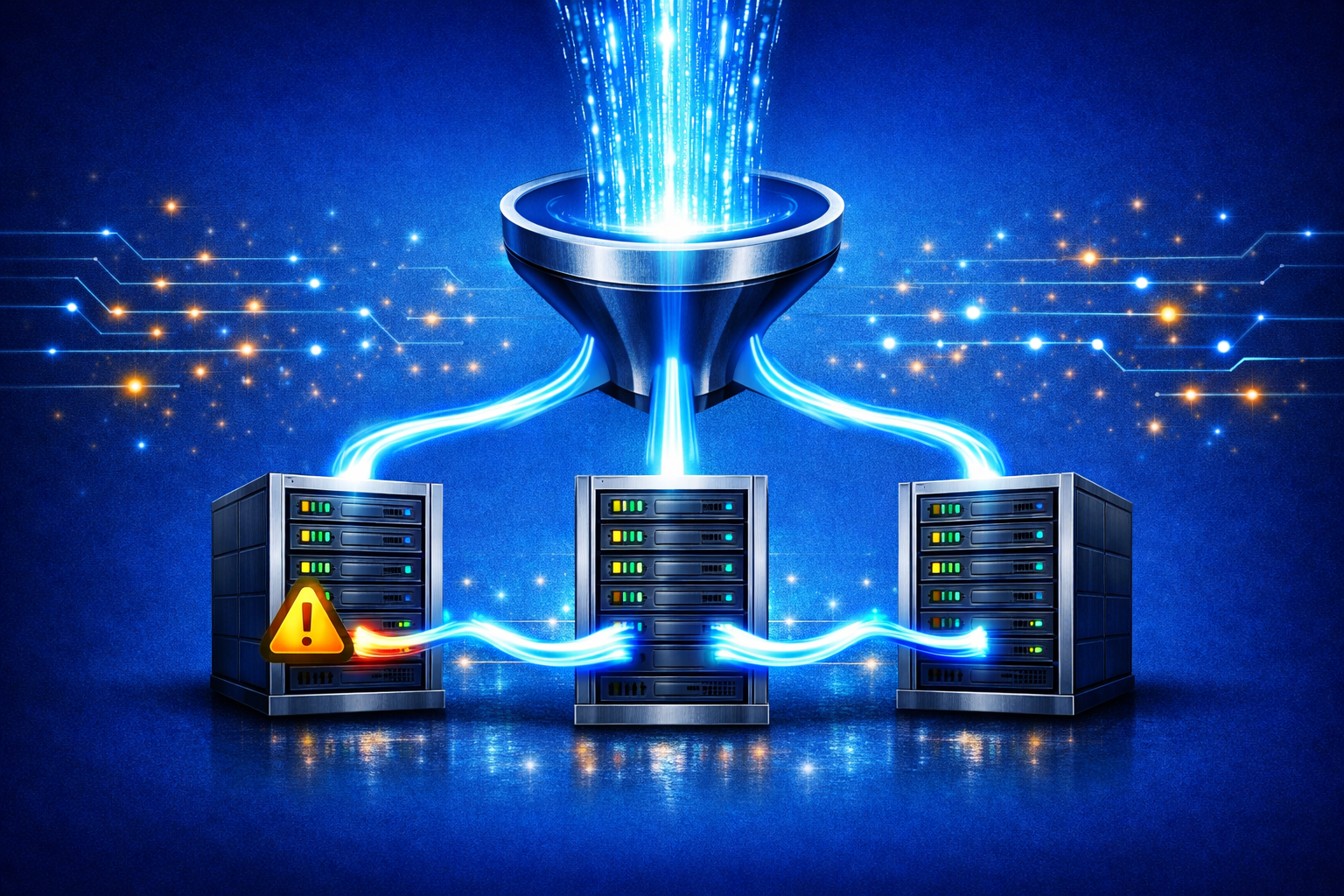
Managing massive user surges with precision and speed
As traffic grows, a single server cannot handle the load. Load balancers act as the "Traffic Controller" for your enterprise platform, distributing incoming requests across a farm of servers to ensure no single resource becomes a bottleneck.
Key Areas Include:
Round-Robin Distribution: Evenly spreading requests across all available servers.
Session Persistence: Ensuring a user stays connected to the same server for their session.
SSL Offloading: Handling encryption at the balancer level to free up server CPU.
Content Delivery Network (CDN): Serving static assets from the server closest to the user.
Dynamic Scaling: Adding more server capacity automatically during high-traffic events.
Identity Management & Enterprise Security
Securing the digital perimeter with advanced governance
Enterprise platforms require granular control over who can see and modify data. By integrating robust Identity and Access Management (IAM), organizations can enforce strict security policies while providing a seamless login experience for employees and partners.
Key Areas Include:
Single Sign-On (SSO): One secure login for all enterprise applications.
Role-Based Access Control (RBAC): Defining permissions based on job function.
Web Application Firewall (WAF): Blocking SQL injections and cross-site scripting.
Audit Logging: Maintaining a complete history of every administrative action.
Data Encryption at Rest: Protecting stored files and databases from unauthorized access.

Multi-Tenant & Multi-Organization Management
Consolidating global operations into a single manageable platform
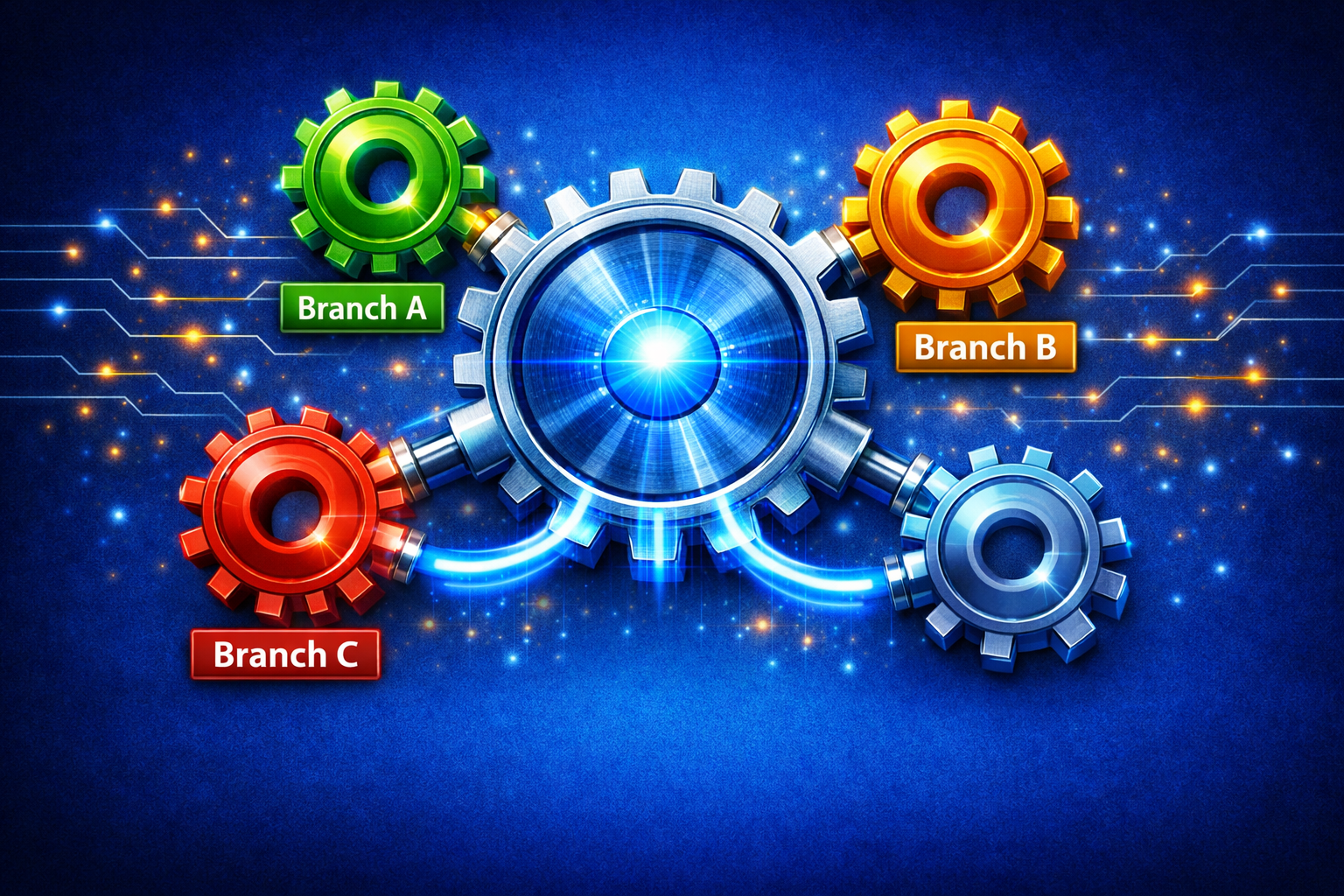
For large corporations with multiple subsidiaries or branches, multi-tenant architecture allows you to run several unique "instances" of a website or ERP from a single software installation. This centralizes updates and security while keeping data strictly separated.
Key Areas Include:
Data Isolation: Ensuring Branch A can never see Branch B’s private data.
Centralized Core Updates: Updating the main platform updates all sub-sites at once.
Unique Configurations: Allowing each branch to have its own theme and local settings.
Shared Resource Pooling: Efficiently using server hardware across all tenants.
Consolidated Reporting: High-level dashboards that aggregate data from all branches.
API-First Development & Headless Connectivity
Building a future-proof platform that talks to everything
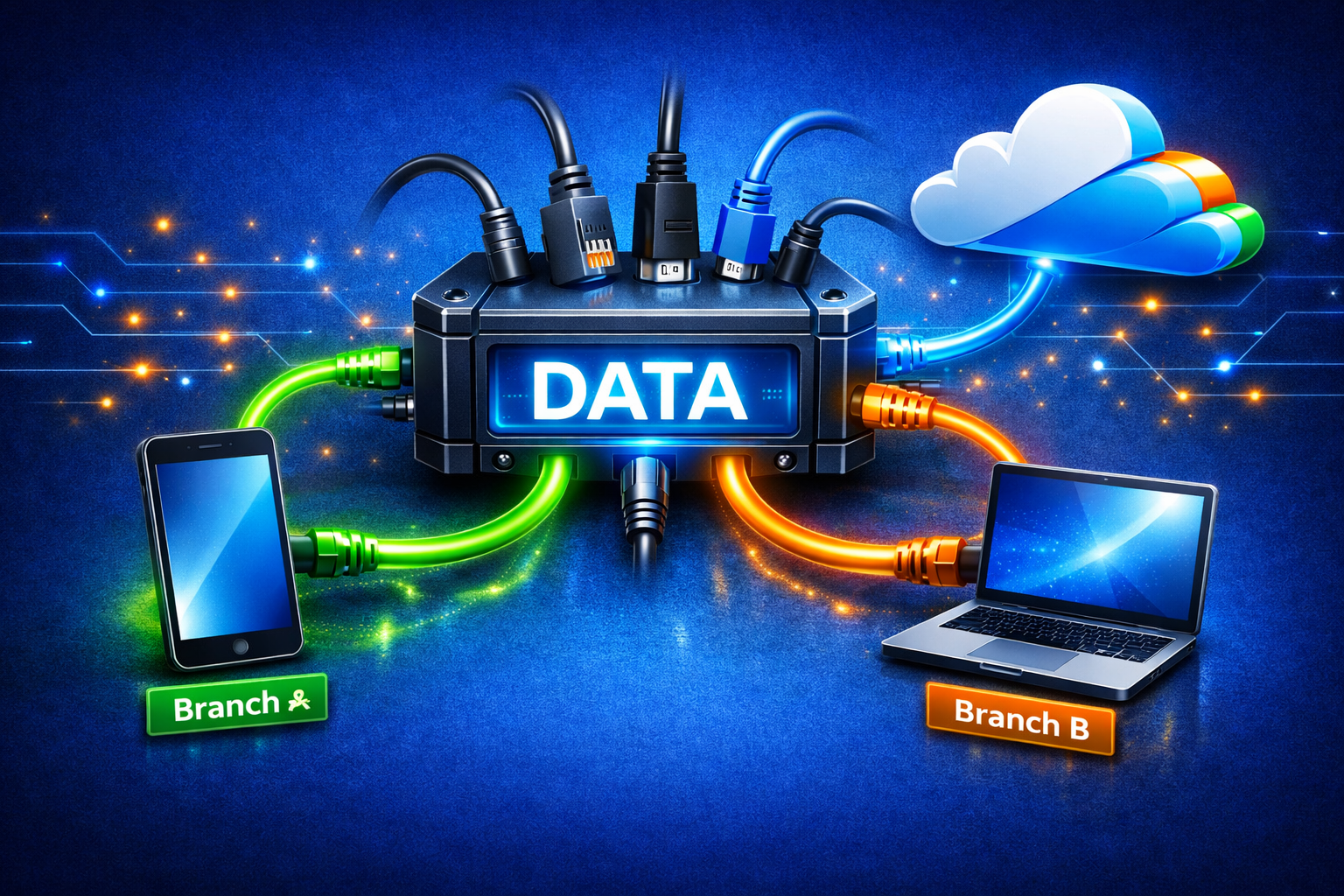
Modern enterprise platforms aren't just websites; they are data hubs. An API-first approach ensures that your content and business logic can be pushed to mobile apps, smartwatches, and external partner systems effortlessly.
Key Areas Include:
REST/GraphQL Endpoints: Standardized ways for external apps to fetch data.
Headless CMS: Separating the "Back-end" data from the "Front-end" design.
Third-Party Orchestration: Connecting to CRM, ERP, and Marketing tools.
Microservices Architecture: Breaking the platform into smaller, independent parts.
Real-time Webhooks: Pushing data to other systems the moment an event occurs.
Operational Efficiency
الكفاءة التشغيلية
Integration & Workflow Automation
التكامل وأتمتة سير العمل
Unified System Ecosystem
نظام بيئي موحد للأنظمة
Eliminate data silos by connecting Finance, HR, and Supply Chain systems, ensuring information flows consistently across every department.
القضاء على صوامع البيانات من خلال ربط أنظمة المالية والموارد البشرية وسلاسل التوريد، مما يضمن تدفق المعلومات بانسجام عبر كل قسم.
Intelligent Rule-Based Workflows
سير عمل ذكي قائم على القواعد
Automatically trigger tasks like invoice generation and inventory updates based on predefined conditions, minimizing error and accelerating output.
تفعيل المهام تلقائياً مثل إصدار الفواتير وتحديث المخزون بناءً على شروط محددة مسبقاً، مما يقلل الأخطاء ويسرع الإنتاجية.
Extensible API Scalability
قابلية التوسع عبر الـ API
Support for API-based integrations allows businesses to sync with cloud storage and analytics tools, providing the flexibility for digital transformation.
دعم التكامل عبر واجهات برمجة التطبيقات (API) يسمح للشركات بالمزامنة مع التخزين السحابي وأدوات التحليل، مما يوفر المرونة اللازمة للتحول الرقمي.
Operational Efficiency
الكفاءة التشغيلية
Integration & Workflow Automation
التكامل وأتمتة سير العمل
Unified System Ecosystem
نظام بيئي موحد للأنظمة
Eliminate data silos by connecting Finance, HR, and Supply Chain systems, ensuring information flows consistently across every department.
القضاء على صوامع البيانات من خلال ربط أنظمة المالية والموارد البشرية وسلاسل التوريد، مما يضمن تدفق المعلومات بانسجام عبر كل قسم.
Intelligent Rule-Based Workflows
سير عمل ذكي قائم على القواعد
Automatically trigger tasks like invoice generation and inventory updates based on predefined conditions, minimizing error and accelerating output.
تفعيل المهام تلقائياً مثل إصدار الفواتير وتحديث المخزون بناءً على شروط محددة مسبقاً، مما يقلل الأخطاء ويسرع الإنتاجية.
Extensible API Scalability
قابلية التوسع عبر الـ API
Support for API-based integrations allows businesses to sync with cloud storage and analytics tools, providing the flexibility for digital transformation.
دعم التكامل عبر واجهات برمجة التطبيقات (API) يسمح للشركات بالمزامنة مع التخزين السحابي وأدوات التحليل، مما يوفر المرونة اللازمة للتحول الرقمي.
Strategic Orchestration
التنسيق الاستراتيجي
Enhancing Business Efficiency
تعزيز كفاءة الأعمال

Unified Intelligence Hub
مركز الذكاء الموحد
Centralizing critical functions ensures every department has real-time data access, eliminating redundant tasks and supporting faster decision-making.
مركزية الوظائف الحيوية تضمن وصول كل قسم للبيانات اللحظية، مما يلغي المهام المتكررة ويدعم اتخاذ قرارات أسرع.
Operational Streamlining
تبسيط العمليات التشغيلية
Automation of routine activities like workflow coordination and performance reporting ensures consistency while freeing staff for higher-value work.
أتمتة الأنشطة الروتينية مثل تنسيق سير العمل وتقارير الأداء تضمن الاستمرارية وتفرغ الموظفين للأعمال ذات القيمة الأعلى.
Agile Responsiveness
الاستجابة الرشيقة
By minimizing bottlenecks, enterprise platforms allow businesses to respond quickly to market changes while keeping costs under control.
من خلال تقليل الاختناقات، تسمح منصات المؤسسات للشركات بالاستجابة السريعة لتغيرات السوق مع إبقاء التكاليف تحت السيطرة.
Strategic Orchestration
التنسيق الاستراتيجي
Enhancing Business Efficiency
تعزيز كفاءة الأعمال
Unified Intelligence Hub
مركز الذكاء الموحد
Centralizing critical functions ensures every department has real-time data access, eliminating redundant tasks and supporting faster decision-making.
مركزية الوظائف الحيوية تضمن وصول كل قسم للبيانات اللحظية، مما يلغي المهام المتكررة ويدعم اتخاذ قرارات أسرع.
Operational Streamlining
تبسيط العمليات التشغيلية
Automation of routine activities like workflow coordination and performance reporting ensures consistency while freeing staff for higher-value work.
أتمتة الأنشطة الروتينية مثل تنسيق سير العمل وتقارير الأداء تضمن الاستمرارية وتفرغ الموظفين للأعمال ذات القيمة الأعلى.
Agile Responsiveness
الاستجابة الرشيقة
By minimizing bottlenecks, enterprise platforms allow businesses to respond quickly to market changes while keeping costs under control.
من خلال تقليل الاختناقات، تسمح منصات المؤسسات للشركات بالاستجابة السريعة لتغيرات السوق مع إبقاء التكاليف تحت السيطرة.
What We Can Do For You
We develop powerful enterprise-grade platforms tailored to support complex and large-scale business operations, ensuring high performance, flexibility, and reliability while enabling seamless management of processes, users, and data across your organization.
We design scalable system architectures capable of handling high traffic volumes and continuous data growth, ensuring your platform maintains optimal performance, stability, and responsiveness even as your business expands and user demand increases.
We integrate your platform with essential business tools, third-party applications, and internal systems, ensuring seamless data flow and unified operations that improve efficiency, reduce manual work, and enable better coordination across departments.
We enable real-time data processing and reporting capabilities that provide instant insights, allowing your business to make faster, data-driven decisions while improving operational efficiency and responsiveness to changing conditions.
We implement robust security frameworks including authentication, role-based access control, and monitoring systems to ensure only authorized users can access critical resources, protecting your platform from unauthorized activities and potential threats.
We ensure your systems meet industry regulations and data protection standards by implementing encryption, monitoring, and compliance frameworks, safeguarding sensitive information while maintaining trust, security, and legal adherence across your operations.

Let's Connect Today!
My Company
- Garhoud Views Building – 7th Floor -Office 711-01 Dubai UAE
- +971509862203
- +971509862239
- info@itdtech.ae