
Things To Know About

CMS Overview نظرة عامة على نظام إدارة المحتوى
CMS platforms enable content creation management publishing editing organization structured workflows منصات إدارة المحتوى تتيح إنشاء وإدارة ونشر وتحرير وتنظيم المحتوى ضمن سير عمل منظم

User-Friendly Interface واجهة سهلة الاستخدام
Intuitive dashboards content editing organization accessibility productivity enhancement لوحات تحكم بديهية تدعم تحرير وتنظيم المحتوى وتحسين الإنتاجية وتجربة المستخدم

Efficiency & Speed الكفاءة والسرعة
Real time content creation publishing updates workflow optimization faster response إنشاء ونشر وتحديث المحتوى في الوقت الفعلي مع تحسين سير العمل والاستجابة السريعة

Content Control التحكم في المحتوى
Website content management pages media layout control flexibility digital assets consistency إدارة محتوى الموقع تشمل الصفحات والوسائط والتخطيط مع مرونة واتساق وقابلية التوسع

Team Collaboration التعاون بين الفريق
Multi user roles permissions content workflow coordination review editing publishing تعاون متعدد المستخدمين مع أدوار وصلاحيات وسير عمل منظم للمراجعة والنشر

Real-Time Updates تحديثات فورية
Instant content updates publishing accuracy relevance responsiveness improved user experience تحديثات فورية للنشر تضمن الدقة والملاءمة وتحسين تجربة المستخدم واستمرارية الحضور الرقمي
CMS Overview نظرة عامة على نظام إدارة المحتوى
CMS platforms enable content creation management publishing editing organization structured workflows منصات إدارة المحتوى تتيح إنشاء وإدارة ونشر وتحرير وتنظيم المحتوى ضمن سير عمل منظم
User-Friendly Interface واجهة سهلة الاستخدام
Intuitive dashboards content editing organization accessibility productivity enhancement لوحات تحكم بديهية تدعم تحرير وتنظيم المحتوى وتحسين الإنتاجية وتجربة المستخدم
Efficiency & Speed الكفاءة والسرعة
Real time content creation publishing updates workflow optimization faster response إنشاء ونشر وتحديث المحتوى في الوقت الفعلي مع تحسين سير العمل والاستجابة السريعة
Content Control التحكم في المحتوى
Website content management pages media layout control flexibility digital assets consistency إدارة محتوى الموقع تشمل الصفحات والوسائط والتخطيط مع مرونة واتساق وقابلية التوسع
Team Collaboration التعاون بين الفريق
Multi user roles permissions content workflow coordination review editing publishing تعاون متعدد المستخدمين مع أدوار وصلاحيات وسير عمل منظم للمراجعة والنشر
Real-Time Updates تحديثات فورية
Instant content updates publishing accuracy relevance responsiveness improved user experience تحديثات فورية للنشر تضمن الدقة والملاءمة وتحسين تجربة المستخدم واستمرارية الحضور الرقمي
Content Creation & Editing
Empowering creators with intuitive editorial tools
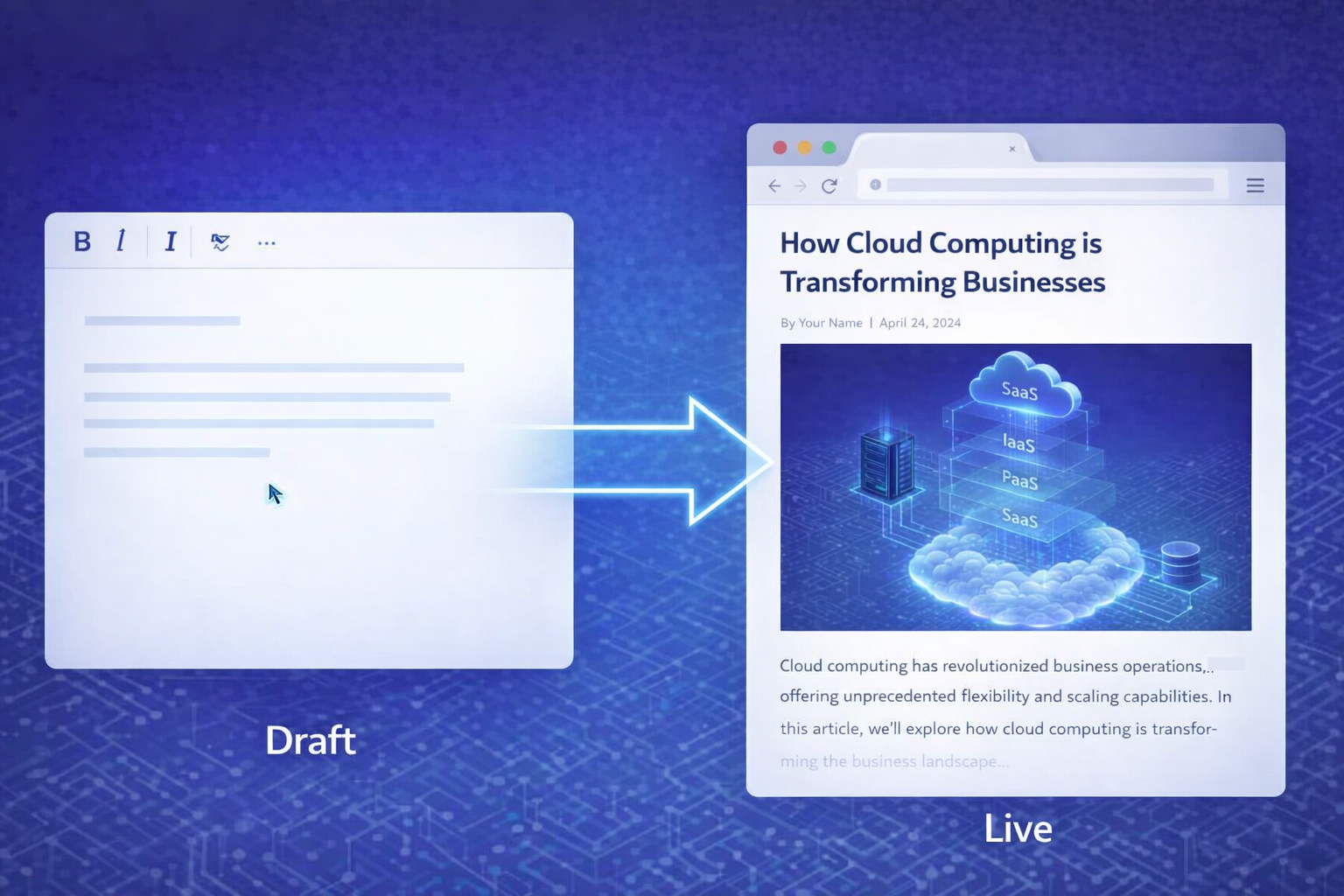
Modern CMS platforms provide a user-friendly environment that allows teams to draft, format, and preview content without needing technical coding skills. This ensures that the focus remains on storytelling and brand consistency.
Key Areas Include:
WYSIWYG Editor: Real-time visual editing (What You See Is What You Get).
Version Control: Tracking changes and restoring previous drafts.
Collaborative Drafting: Allowing multiple users to comment and edit simultaneously.
Template Library: Using pre-designed layouts for quick publishing.
Live Previews: Seeing how content looks on mobile vs. desktop before going live.
User Management & Access Control
Defining workflows and protecting site integrity
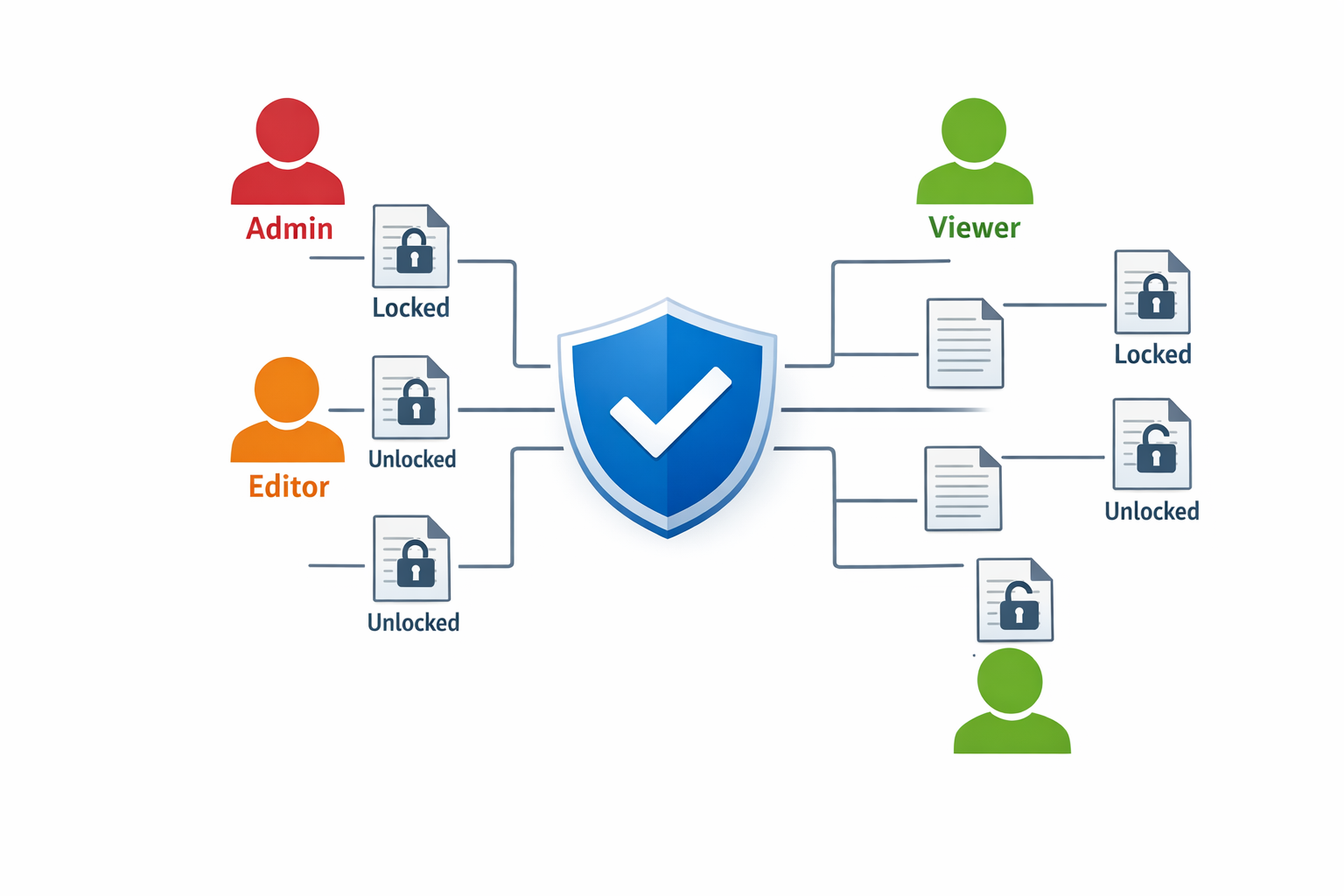
A robust CMS ensures that the right people have access to the right tools. By assigning specific roles, organizations can prevent accidental deletions and maintain a strict approval pipeline.
Key Areas Include:
Granular Permissions: Defining exactly who can edit, delete, or publish.
Role-Based Access (RBAC): Setting levels like Admin, Editor, Author, and Contributor.
Approval Workflows: Requiring a manager's sign-off before content goes live.
Activity Logs: Monitoring who made what changes and when.
Multi-Factor Authentication: Adding a layer of security for login access.
SEO & Performance Optimization
Increasing discoverability through built-in marketing tools
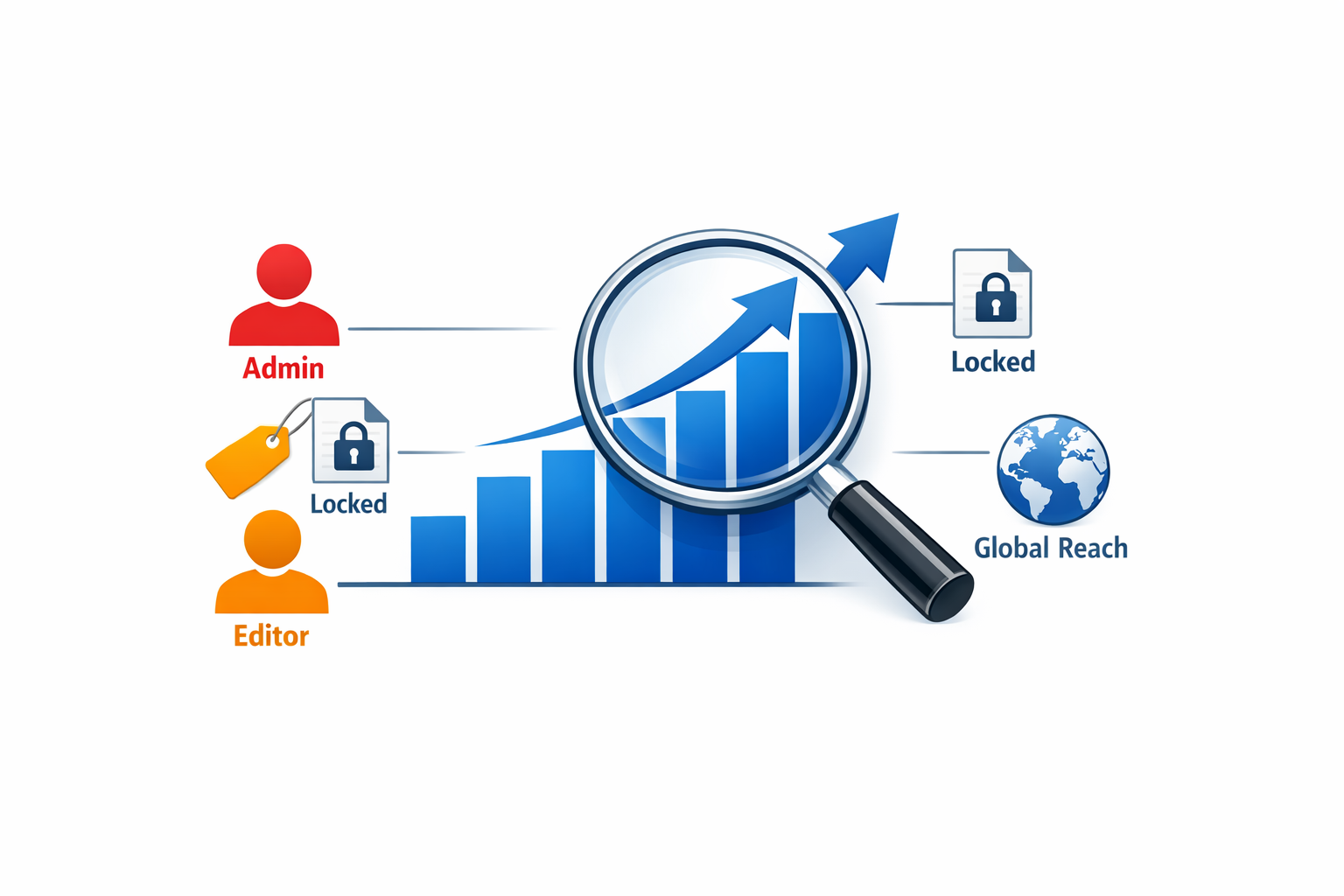
Native SEO tools within a CMS help automate the technical side of ranking on Google. This ensures your content is not only high-quality but also easy for search engines to find and index.
Key Areas Include:
Metadata Management: Easy editing of Meta Titles and Descriptions.
Automated Sitemaps: Generating XML maps for search engine crawling.
Mobile Responsiveness: Ensuring the site looks perfect on all devices.
Alt-Text Automation: Reminders to add descriptions to images for accessibility.
URL Customization: Creating clean, keyword-rich "slugs" for web addresses.
Multi-Channel & Headless Delivery
Publishing content once, appearing everywhere
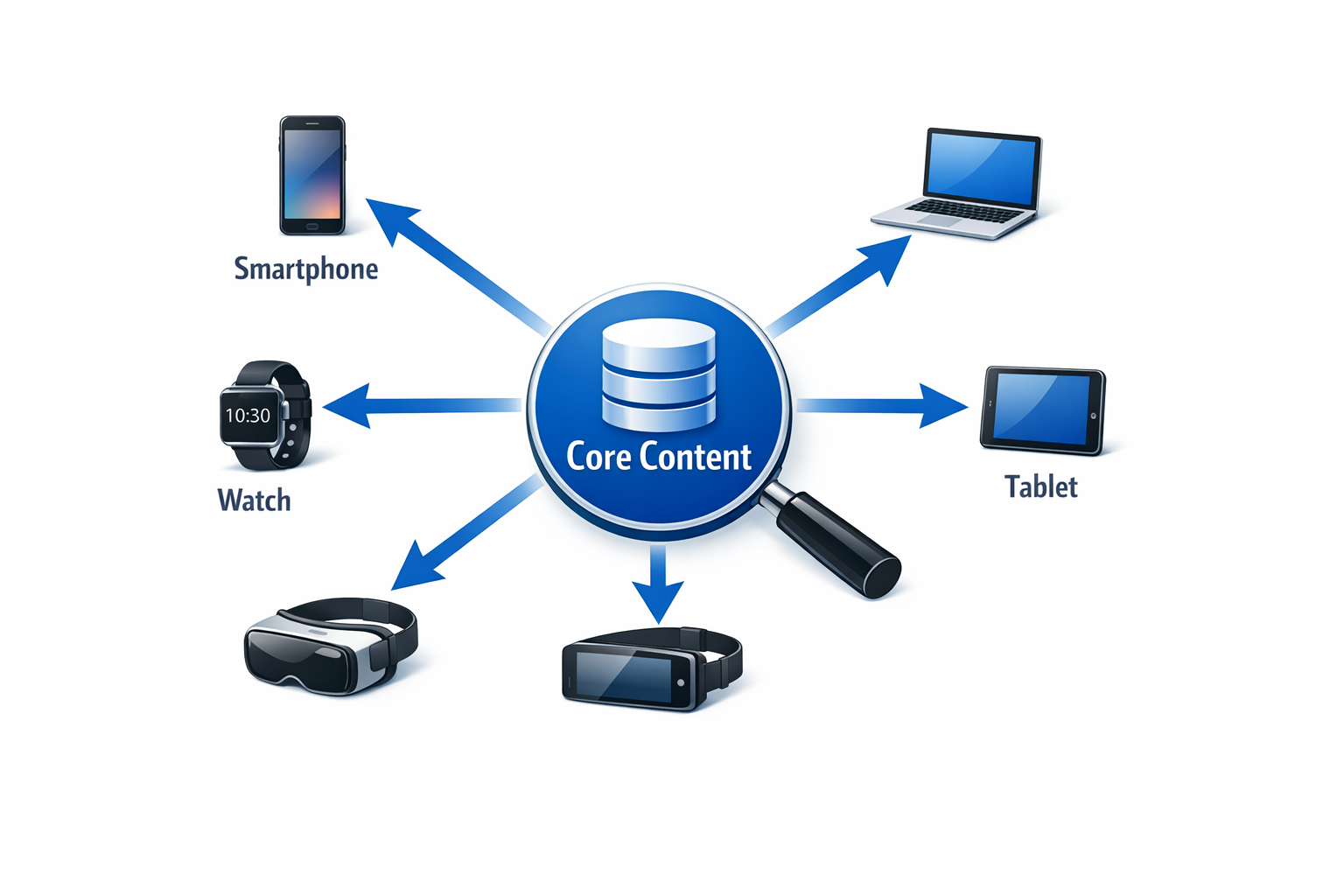
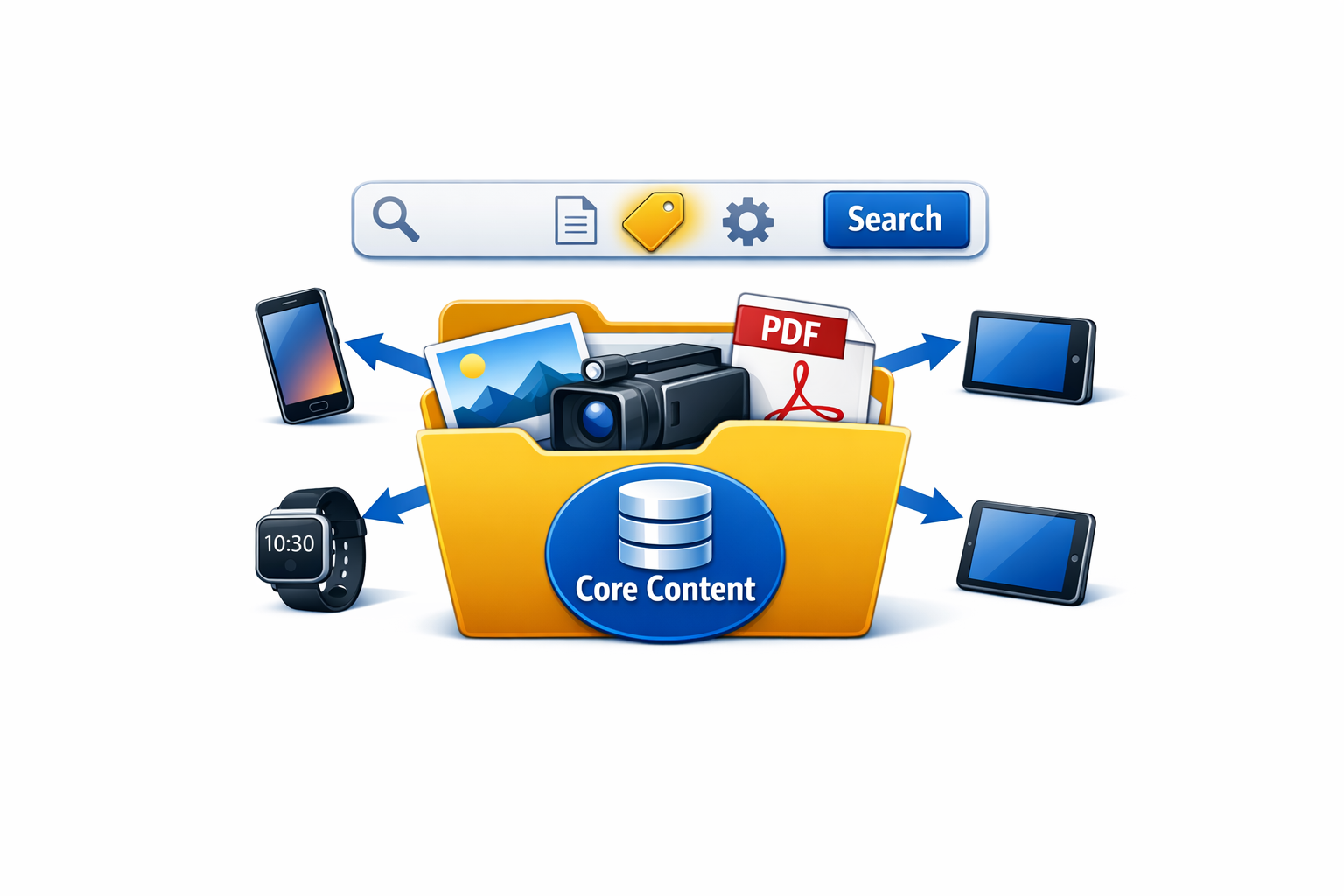
Modern CMS architecture allows you to push content beyond just a website. Whether it’s a mobile app, a smartwatch, or a social media feed, your content remains synchronized and consistent.
Key Areas Include:
API-First Approach: Delivering content to any device via secure connections.
Social Media Integration: Auto-posting updates to Twitter, LinkedIn, or Facebook.
Email Marketing Sync: Feeding blog posts directly into newsletter templates.
Content Syndication: Sharing articles across partner networks effortlessly.
IoT Ready: Formatting content for smart displays and wearable tech.
Digital Asset Management (DAM)
Centralizing and optimizing your brand media
A CMS acts as a central library for all your images, videos, and documents. Proper organization ensures that assets are easy to find, reusable, and optimized for fast loading speeds.
Key Areas Include:
Automatic Image Resizing: Creating thumbnails and web-ready crops automatically.
Tagging & Categorization: Using keywords to find files in seconds.
Cloud Storage Integration: Syncing with tools like Google Drive or Dropbox.
CDN Integration: Delivering images from the server closest to the user.
Broken Link Detection: Ensuring no images or files lead to "404 Not Found" errors.
Visibility Architecture
معمارية الظهور
Technical SEO and Performance Optimization
تحسين الأداء ونتائج البحث تقنياً
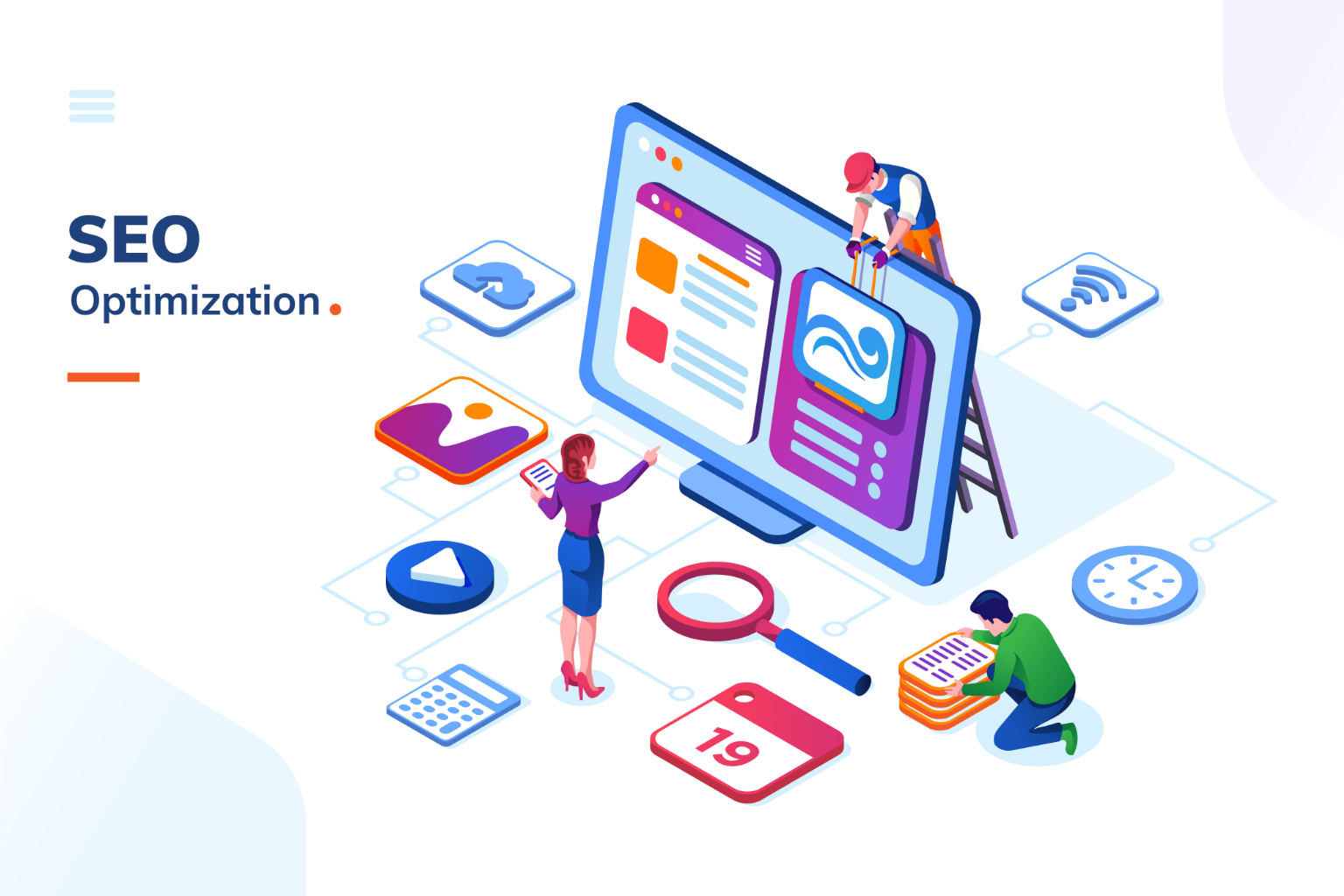
Building a competitive digital presence demands a foundation that prioritizes search engine visibility and lightning-fast delivery. SEO and performance are two sides of the same coin, ensuring that users find your platform and stay for the responsive experience.
يتطلب بناء تواجد رقمي تنافسي قاعدة تعطي الأولوية لـ ظهور محركات البحث والتسليم فائق السرعة. يعد الـ SEO والأداء وجهين لعملة واحدة، مما يضمن عثور المستخدمين على منصتك واستمتاعهم بتجربة استجابة فورية.
By utilizing automated technical SEO suites and edge-delivery via CDNs, we eliminate performance bottlenecks. Features like automated image compression and lazy loading ensure your platform remains agile and highly ranked by search algorithms.
من خلال استخدام أطقم SEO التقنية المؤتمتة والتوصيل عبر الحافة (CDNs)، نقضي على اختناقات الأداء. تضمن ميزات مثل ضغط الصور التلقائي والتحميل المتأخر (Lazy Loading) بقاء منصتك مرنة وذات تصنيف عالٍ في خوارزميات البحث.
Visibility Architecture
معمارية الظهور
Technical SEO and Performance Optimization
تحسين الأداء ونتائج البحث تقنياً
Building a competitive digital presence demands a foundation that prioritizes search engine visibility and lightning-fast delivery. SEO and performance are two sides of the same coin, ensuring that users find your platform and stay for the responsive experience.
يتطلب بناء تواجد رقمي تنافسي قاعدة تعطي الأولوية لـ ظهور محركات البحث والتسليم فائق السرعة. يعد الـ SEO والأداء وجهين لعملة واحدة، مما يضمن عثور المستخدمين على منصتك واستمتاعهم بتجربة استجابة فورية.
By utilizing automated technical SEO suites and edge-delivery via CDNs, we eliminate performance bottlenecks. Features like automated image compression and lazy loading ensure your platform remains agile and highly ranked by search algorithms.
من خلال استخدام أطقم SEO التقنية المؤتمتة والتوصيل عبر الحافة (CDNs)، نقضي على اختناقات الأداء. تضمن ميزات مثل ضغط الصور التلقائي والتحميل المتأخر (Lazy Loading) بقاء منصتك مرنة وذات تصنيف عالٍ في خوارزميات البحث.
Strategic Expansion
التوسع الاستراتيجي
Supporting Business Growth
دعم نمو الأعمال
Supporting a growing business requires a digital foundation that evolves alongside its demands. We focus on infrastructure elasticity, where cloud-native architectures allow for horizontal scaling, ensuring that technical limitations never hinder commercial opportunities.
يتطلب دعم الأعمال المتنامية قاعدة رقمية تتطور مع متطلباتها. نحن نركز على مرونة البنية التحتية، حيث تسمح المعماريات السحابية الأصلية بالتوسع الأفقي، مما يضمن عدم إعاقة القيود التقنية للفرص التجارية أبداً.
Reliability and global accessibility are critical for expansion. By utilizing high-availability frameworks and global CDNs, we safeguard your business against downtime and deliver near-instant loading speeds worldwide, fostering trust across international markets.
تعد الموثوقية والوصول العالمي أمرين حاسمين للتوسع. من خلال استخدام أطر عمل عالية التوفر وشبكات توصيل المحتوى العالمية (CDNs)، نحمي عملك من التوقف ونوفر سرعات تحميل فورية عالمياً، مما يعزز الثقة في الأسواق الدولية.
Strategic Expansion
التوسع الاستراتيجي
Supporting Business Growth
دعم نمو الأعمال
Supporting a growing business requires a digital foundation that evolves alongside its demands. We focus on infrastructure elasticity, where cloud-native architectures allow for horizontal scaling, ensuring that technical limitations never hinder commercial opportunities.
يتطلب دعم الأعمال المتنامية قاعدة رقمية تتطور مع متطلباتها. نحن نركز على مرونة البنية التحتية، حيث تسمح المعماريات السحابية الأصلية بالتوسع الأفقي، مما يضمن عدم إعاقة القيود التقنية للفرص التجارية أبداً.
Reliability and global accessibility are critical for expansion. By utilizing high-availability frameworks and global CDNs, we safeguard your business against downtime and deliver near-instant loading speeds worldwide, fostering trust across international markets.
تعد الموثوقية والوصول العالمي أمرين حاسمين للتوسع. من خلال استخدام أطر عمل عالية التوفر وشبكات توصيل المحتوى العالمية (CDNs)، نحمي عملك من التوقف ونوفر سرعات تحميل فورية عالمياً، مما يعزز الثقة في الأسواق الدولية.
What We Can Do For You
We implement CMS platforms that make it easy to create, edit, and manage website content.
We structure and manage media files and content for consistency and efficient access.
We configure roles and permissions to ensure secure and controlled content management.
We enable quick website updates without requiring ongoing developer support.
We build CMS systems that grow with your business and support expanding content needs.
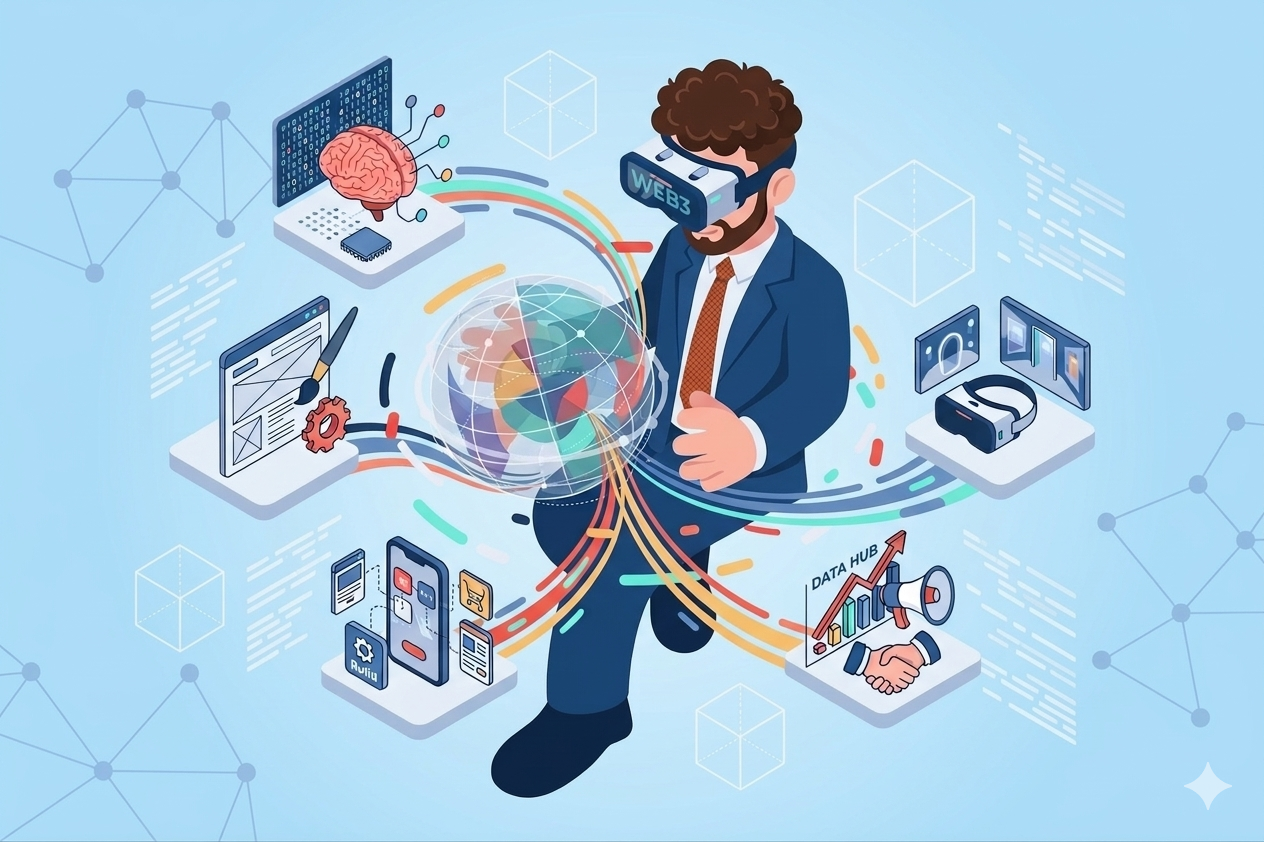
We customize themes, plugins, and integrations to match your exact business requirements.
Let's Connect Today!
My Company
- Garhoud Views Building – 7th Floor -Office 711-01 Dubai UAE
- +971509862203
- +971509862239
- info@itdtech.ae