
Pillars of Search Engine Marketing
Driving Instant Visibility and Measurable Growth ecosystem.
Targeted Ad Campaigns
Reach the right audience with precisely targeted ads based on keywords, search intent, and user behavior. Well-structured campaigns attract high-quality traffic, increase clicks, and improve conversion potential.
Budget & Performance Control
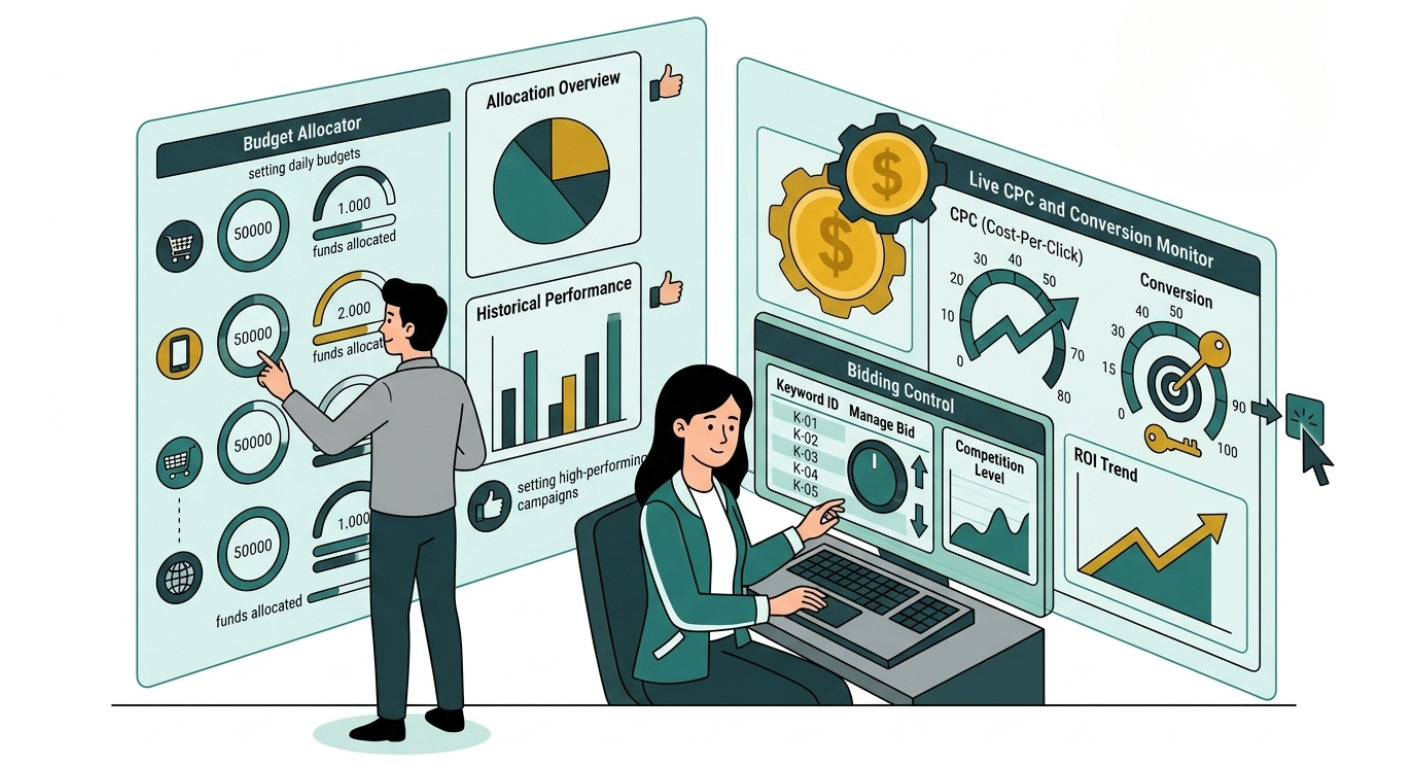
Maximize efficiency with controlled spending and data-driven bidding strategies. Monitoring cost-per-click, conversions, and campaign performance ensures optimal budget allocation and stronger return on investment.
Scalable Growth Strategy
Accelerate business growth through continuous optimization and performance tracking. Refining campaigns based on insights helps increase leads, boost revenue, and maintain long-term marketing success.
Things To Know About

Search Engine Marketing التسويق عبر محركات البحث
Paid ads boost visibility in search results. الإعلانات المدفوعة تعزز الظهور في نتائج البحث.

Keyword Targeting استهداف الكلمات المفتاحية
Ads target users via relevant keywords. استهداف المستخدمين عبر كلمات مفتاحية مناسبة.

Instant Visibility ظهور فوري
Ads appear instantly on search pages. الإعلانات تظهر فورًا في صفحات البحث.

Pay-Per-Click الدفع لكل نقرة
Pay only when users click ads. الدفع فقط عند النقر على الإعلان.

Performance Tracking تتبع الأداء
Track and optimize campaign results. متابعة وتحسين نتائج الحملات.

ROI & Growth العائد والنمو
Increase leads and maximize ROI. زيادة العملاء المحتملين وتعظيم العائد.
Search Engine Marketing التسويق عبر محركات البحث
Paid ads boost visibility in search results. الإعلانات المدفوعة تعزز الظهور في نتائج البحث.
Keyword Targeting استهداف الكلمات المفتاحية
Ads target users via relevant keywords. استهداف المستخدمين عبر كلمات مفتاحية مناسبة.
Instant Visibility ظهور فوري
Ads appear instantly on search pages. الإعلانات تظهر فورًا في صفحات البحث.
Pay-Per-Click الدفع لكل نقرة
Pay only when users click ads. الدفع فقط عند النقر على الإعلان.
Performance Tracking تتبع الأداء
Track and optimize campaign results. متابعة وتحسين نتائج الحملات.
ROI & Growth العائد والنمو
Increase leads and maximize ROI. زيادة العملاء المحتملين وتعظيم العائد.
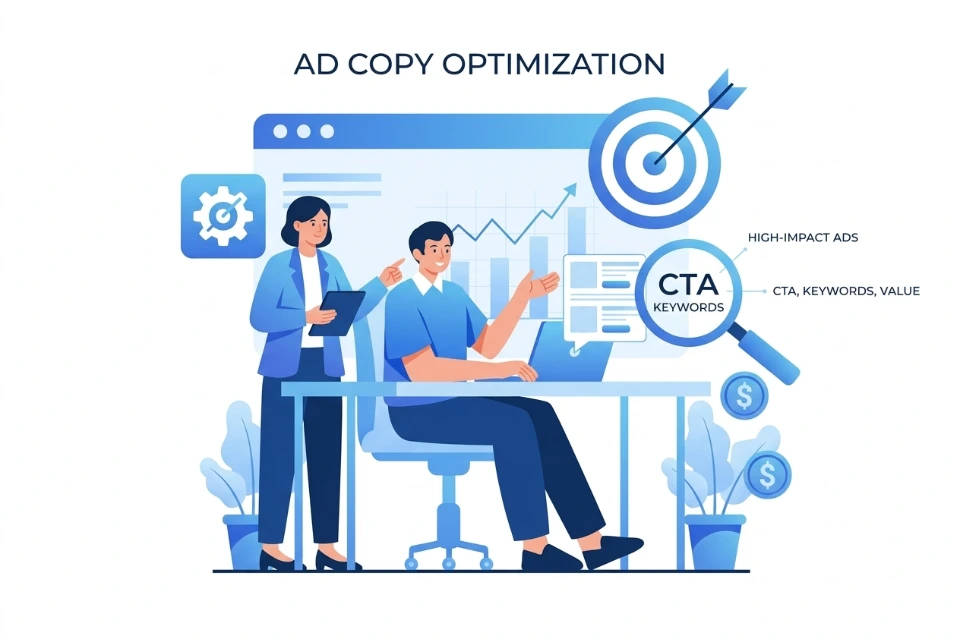
Ad Copy Optimization
Create High-Impact Ads
Ad copy optimization focuses on crafting compelling and relevant ad messages that attract attention and drive clicks. Effective ad copy includes clear headlines, persuasive descriptions, and strong calls-to-action that align with user intent. By incorporating targeted keywords and highlighting unique value propositions, businesses can improve click-through rates and engagement. A/B testing different versions of ad copy helps identify what resonates best with the audience. Continuous refinement ensures better performance and higher conversions. Well-optimized ad copy not only increases visibility but also enhances user experience by delivering clear, relevant, and actionable messaging.
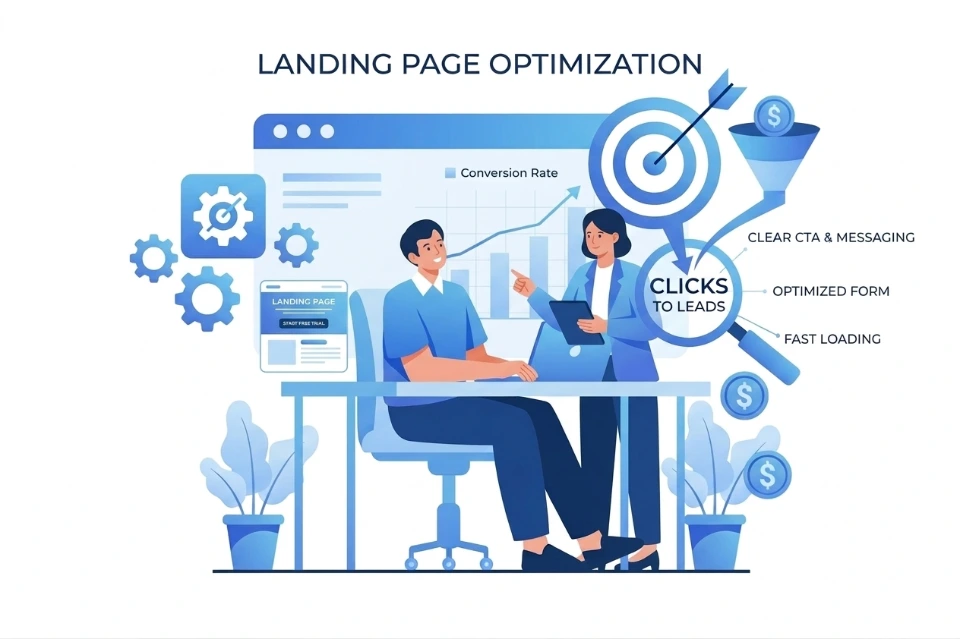
Landing Page Optimization
Convert Clicks to Leads
Landing page optimization ensures that users who click on ads are directed to pages designed to convert. A well-structured landing page includes relevant content, fast loading speed, clear messaging, and strong calls-to-action. Consistency between ad copy and landing page content improves user trust and reduces bounce rates. Elements such as simple navigation, engaging visuals, and optimized forms enhance user experience and increase conversion rates. Regular testing and improvements help identify performance gaps and opportunities. By optimizing landing pages, businesses can maximize the value of their SEM campaigns and turn traffic into measurable results.
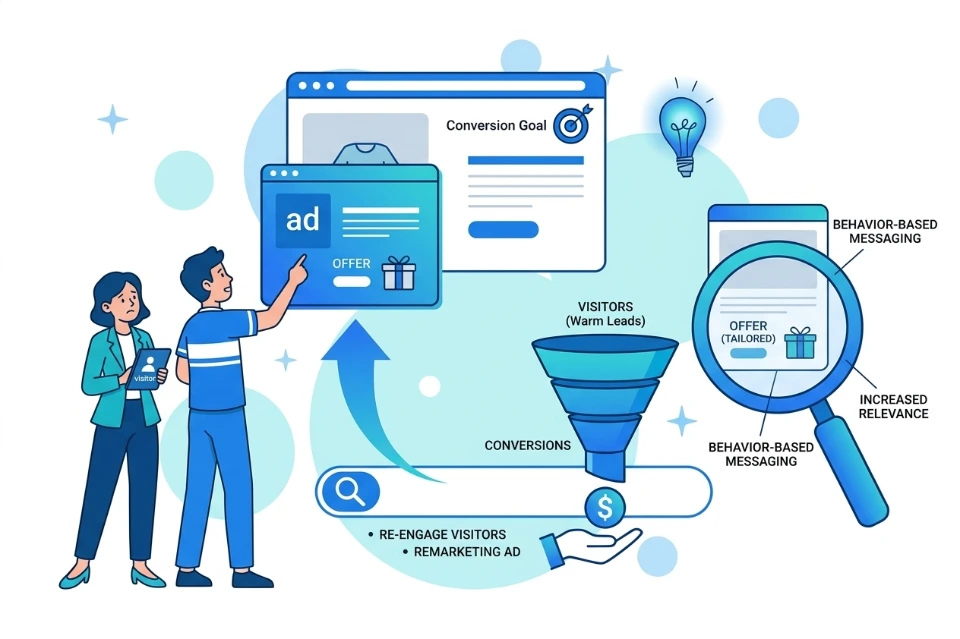
Remarketing Campaigns
Re-Engage Past Visitors
Remarketing campaigns target users who have previously visited your website but did not convert. By displaying tailored ads to these users across search engines and partner networks, businesses can re-engage potential customers and encourage them to return. Personalized messaging based on user behavior increases relevance and improves conversion chances. Remarketing helps maintain brand visibility and keeps your business top-of-mind. It is a cost-effective strategy that focuses on warm leads who are already familiar with your offerings. With proper segmentation and creative messaging, remarketing can significantly boost conversions and overall campaign performance.
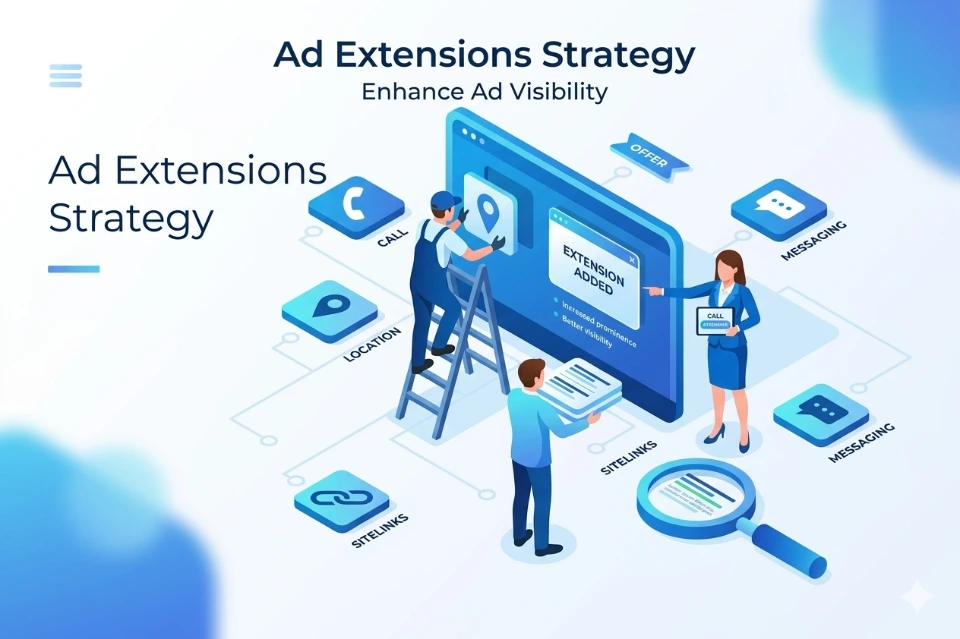
Ad Extensions Strategy
Enhance Ad Visibility
Ad extensions provide additional information and features that enhance your search ads, making them more informative and engaging. These include sitelinks, call extensions, location details, and additional descriptions that improve visibility and click-through rates. Extensions allow users to interact directly with your ads, whether by calling your business, visiting specific pages, or viewing important details. They also increase the overall size and prominence of your ads on search results pages. By using relevant and optimized extensions, businesses can improve ad performance, provide better user experience, and gain a competitive advantage in search engine marketing.
Conversion Tracking Setup
Measure Campaign Success
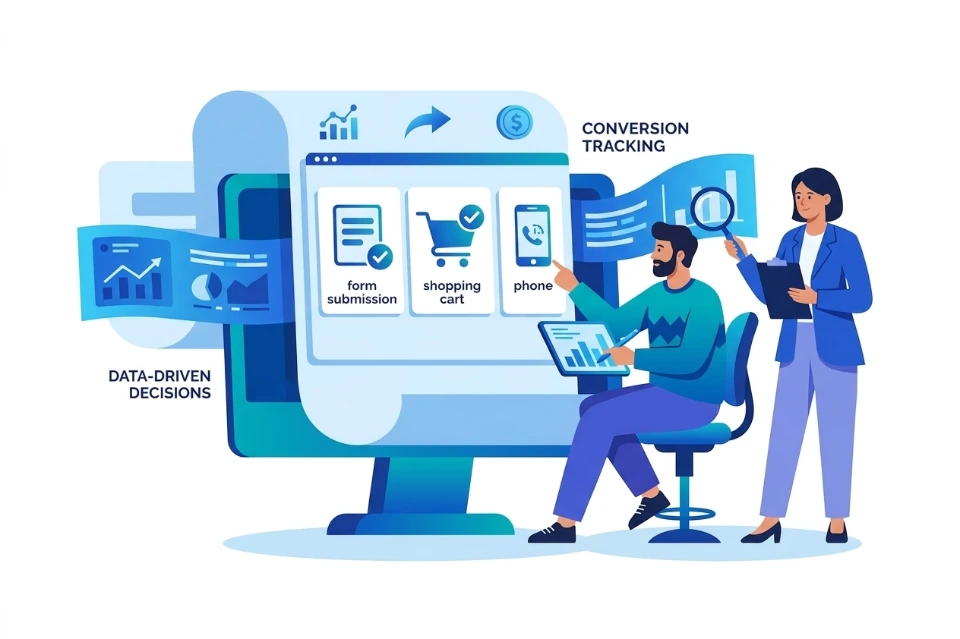
Conversion tracking is essential for understanding how well your SEM campaigns perform. It involves monitoring user actions such as form submissions, purchases, and calls that result from ad interactions. By analyzing this data, businesses can identify which keywords, ads, and strategies drive the best results. Accurate tracking helps optimize campaigns, improve targeting, and allocate budgets more effectively. Integration with analytics tools provides deeper insights into user behavior and campaign performance. With proper conversion tracking, businesses can make data-driven decisions, enhance ROI, and continuously improve their search engine marketing efforts.
Financial Efficiency
الكفاءة المالية
Budget Management & Bidding
إدارة الميزانية والمزايدة
AI-Driven Bidding Optimization
تحسين المزايدة المدعوم بالذكاء الاصطناعي
Utilizing real-time data and AI algorithms to navigate competitive auctions, ensuring dominance in high-value searches for ERP and IT consultancy.
استخدام البيانات في الوقت الفعلي وخوارزميات الذكاء الاصطناعي للتنقل في المزادات التنافسية، مما يضمن الصدارة في عمليات البحث عالية القيمة.
Intent-Focused Smart Bidding
المزايدة الذكية التي تركز على النية
Analyzing user behavior, device type, and timing to capture the most qualified leads at the lowest cost, prioritizing intent over simple traffic volume.
تحليل سلوك المستخدم ونوع الجهاز والتوقيت لجذب العملاء الأكثر تأهيلاً بأقل تكلفة، مع إعطاء الأولوية للنية على حجم الزيارات البسيط.
Predictable Financial Governance
حوكمة مالية يمكن التنبؤ بها
Ensuring lean, optimized marketing spend by calibrating CPA and LTV metrics to guarantee your growth remains profitable and scalable.
ضمان إنفاق تسويقي مرن ومحسن من خلال معايرة مقاييس تكلفة الاكتساب والقيمة الدائمة للعميل لضمان نمو مربح وقابل للتوسع.
Financial Efficiency
الكفاءة المالية
Budget Management & Bidding
إدارة الميزانية والمزايدة
AI-Driven Bidding Optimization
تحسين المزايدة المدعوم بالذكاء الاصطناعي
Utilizing real-time data and AI algorithms to navigate competitive auctions, ensuring dominance in high-value searches for ERP and IT consultancy.
استخدام البيانات في الوقت الفعلي وخوارزميات الذكاء الاصطناعي للتنقل في المزادات التنافسية، مما يضمن الصدارة في عمليات البحث عالية القيمة.
Intent-Focused Smart Bidding
المزايدة الذكية التي تركز على النية
Analyzing user behavior, device type, and timing to capture the most qualified leads at the lowest cost, prioritizing intent over simple traffic volume.
تحليل سلوك المستخدم ونوع الجهاز والتوقيت لجذب العملاء الأكثر تأهيلاً بأقل تكلفة، مع إعطاء الأولوية للنية على حجم الزيارات البسيط.
Predictable Financial Governance
حوكمة مالية يمكن التنبؤ بها
Ensuring lean, optimized marketing spend by calibrating CPA and LTV metrics to guarantee your growth remains profitable and scalable.
ضمان إنفاق تسويقي مرن ومحسن من خلال معايرة مقاييس تكلفة الاكتساب والقيمة الدائمة للعميل لضمان نمو مربح وقابل للتوسع.
High-Velocity Execution
تنفيذ عالي السرعة
Driving Immediate Results & Growth
دفع النتائج والنمو الفوري
High-Intent Momentum
زخم عالي النية
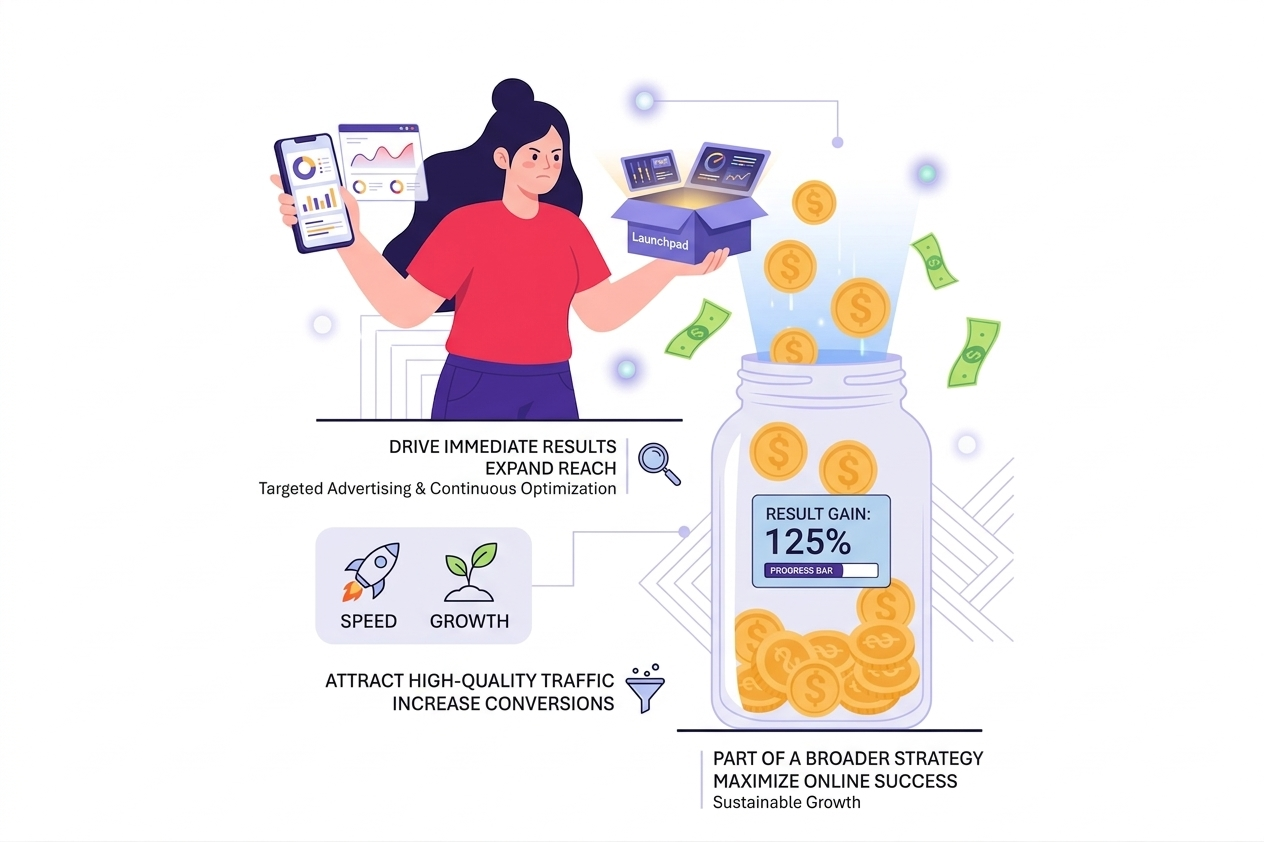
Deploying synchronized performance marketing and high-velocity acquisition campaigns built for immediate conversion momentum.
نشر حملات تسويق أداء متزامنة وحملات استحواذ عالية السرعة مصممة لخلق زخم تحويل فوري.
Growth Hacking Methodology
منهجية اختراق النمو
Utilizing rapid A/B testing and automated lead nurturing to identify the most efficient channels for rapid industry dominance.
استخدام اختبارات A/B السريعة ورعاية العملاء المحتملين آلياً لتحديد القنوات الأكثر كفاءة للهيمنة السريعة على الصناعة.
Closed-Loop Scalability
قابلية التوسع في حلقة مغلقة
Linking front-end behavior to back-end logic to create a data-driven system that consistently lowers the cost per conversion.
ربط سلوك المستخدم في الواجهة الأمامية بمنطق الأعمال في الخلفية لإنشاء نظام يعتمد على البيانات يقلل تكلفة التحويل باستمرار.
High-Velocity Execution
تنفيذ عالي السرعة
Driving Immediate Results & Growth
دفع النتائج والنمو الفوري
High-Intent Momentum
زخم عالي النية
Deploying synchronized performance marketing and high-velocity acquisition campaigns built for immediate conversion momentum.
نشر حملات تسويق أداء متزامنة وحملات استحواذ عالية السرعة مصممة لخلق زخم تحويل فوري.
Growth Hacking Methodology
منهجية اختراق النمو
Utilizing rapid A/B testing and automated lead nurturing to identify the most efficient channels for rapid industry dominance.
استخدام اختبارات A/B السريعة ورعاية العملاء المحتملين آلياً لتحديد القنوات الأكثر كفاءة للهيمنة السريعة على الصناعة.
Closed-Loop Scalability
قابلية التوسع في حلقة مغلقة
Linking front-end behavior to back-end logic to create a data-driven system that consistently lowers the cost per conversion.
ربط سلوك المستخدم في الواجهة الأمامية بمنطق الأعمال في الخلفية لإنشاء نظام يعتمد على البيانات يقلل تكلفة التحويل باستمرار.
What We Can Do For You
We create SEM campaigns that deliver instant visibility and drive targeted traffic to your website.
We focus on reaching the right audience through precise targeting and budget optimization.
We research and select high-performing keywords aligned with user intent and business goals.
We analyze competition and refine keyword strategies to maximize campaign effectiveness.
We design compelling ads and continuously test variations to improve performance.
We monitor campaigns and optimize for higher conversions and measurable return on investment.
Let's Connect Today!
My Company
- Garhoud Views Building – 7th Floor -Office 711-01 Dubai UAE
- +971509862203
- +971509862239
- info@itdtech.ae