
Things To Know About

Artificial Intelligence الذكاء الاصطناعي
AI powers smart decision-making systems يدعم الذكاء الاصطناعي أنظمة اتخاذ القرار الذكية

Machine Learning تعلم الآلة
Systems learn and improve from data تتعلم الأنظمة وتتحسن من خلال البيانات

Data Analysis تحليل البيانات
Analyze data to uncover insights تحليل البيانات لاستخراج رؤى قيمة

Process Automation أتمتة العمليات
Automate tasks to boost efficiency أتمتة المهام لزيادة الكفاءة

Personalized Experience تجربة مخصصة
Deliver tailored user experiences تقديم تجارب مخصصة للمستخدمين

Business Intelligence ذكاء الأعمال
Use AI insights to drive growth استخدام تحليلات الذكاء الاصطناعي لدعم النمو
Artificial Intelligence الذكاء الاصطناعي
AI powers smart decision-making systems يدعم الذكاء الاصطناعي أنظمة اتخاذ القرار الذكية
Machine Learning تعلم الآلة
Systems learn and improve from data تتعلم الأنظمة وتتحسن من خلال البيانات
Data Analysis تحليل البيانات
Analyze data to uncover insights تحليل البيانات لاستخراج رؤى قيمة
Process Automation أتمتة العمليات
Automate tasks to boost efficiency أتمتة المهام لزيادة الكفاءة
Personalized Experience تجربة مخصصة
Deliver tailored user experiences تقديم تجارب مخصصة للمستخدمين
Business Intelligence ذكاء الأعمال
Use AI insights to drive growth استخدام تحليلات الذكاء الاصطناعي لدعم النمو
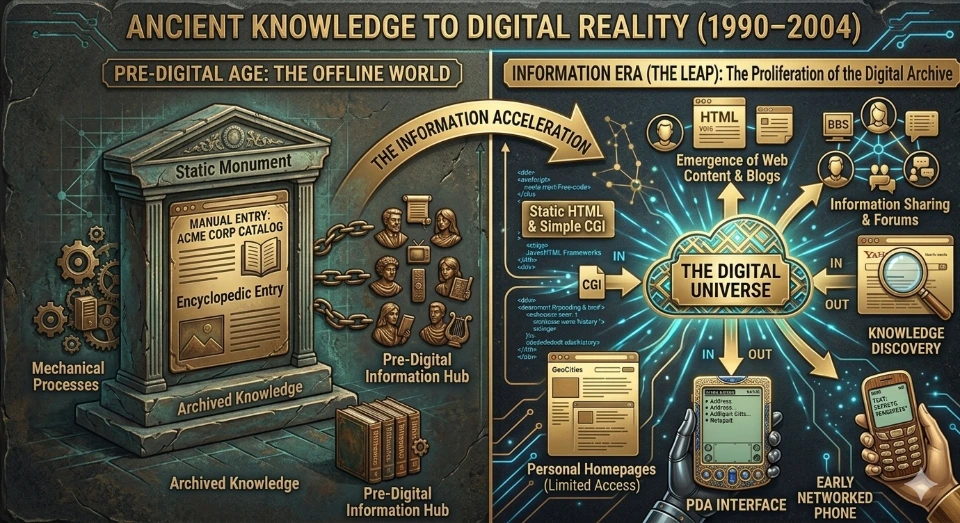
The first version of the web was essentially a digital storefront with the doors locked—you could see what was inside, but you couldn't actually enter or interact. In those "Read-Only" days, we built sites using static HTML and rigid table layouts that lived on noisy physical servers; it was an era of brochure-ware where if you wanted to change a single price or update a phone number, you couldn't just log in—you had to call a developer to manually rewrite the code.
Technology should be a conversation, but Web 1.0 was a one-way lecture that left your clients feeling like passive observers rather than valued participants. When a system doesn't allow for logins, comments, or real-time updates, it lacks the heartbeat that modern businesses need to thrive. We’ve moved away from those "manual-edit" days because your digital presence should be a living tool that connects with your customers, not a frozen document gathering digital dust.
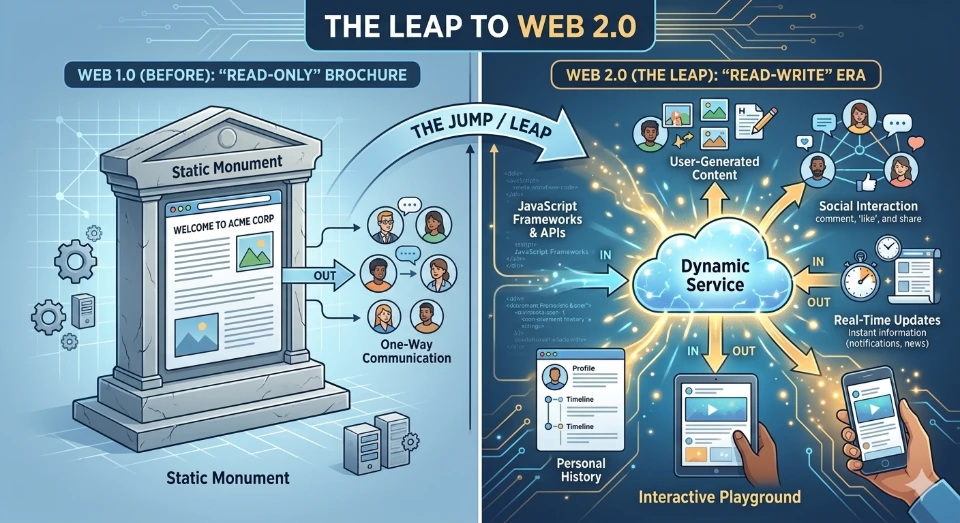
The jump to Web 2.0 wasn’t just a technical update; it was the moment the internet finally found its voice and invited everyone to join the conversation. We moved away from the "read-only" brochure and into the "Read-Write" era, where your website became a living platform driven by user-generated content, social interaction, and real-time updates. This is the world of the "Cloud," where we stopped worrying about local hardware and started building systems that could scale instantly to meet the needs of millions, all while fitting perfectly in the palm of a user's hand through mobile-first design.
When you build for Web 2.0, you aren’t just creating a page—you’re creating a relationship. It’s about that seamless feeling when a customer logs in, sees their personal history, and interacts with your brand in real-time through comments, likes, or instant support. By leveraging modern APIs and JavaScript frameworks, we’ve turned the web into an interactive playground where the user is just as important as the code. Writing for this era means understanding that your website isn't a static monument; it's a dynamic service that breathes and grows based on how your one specific customer chooses to use it.
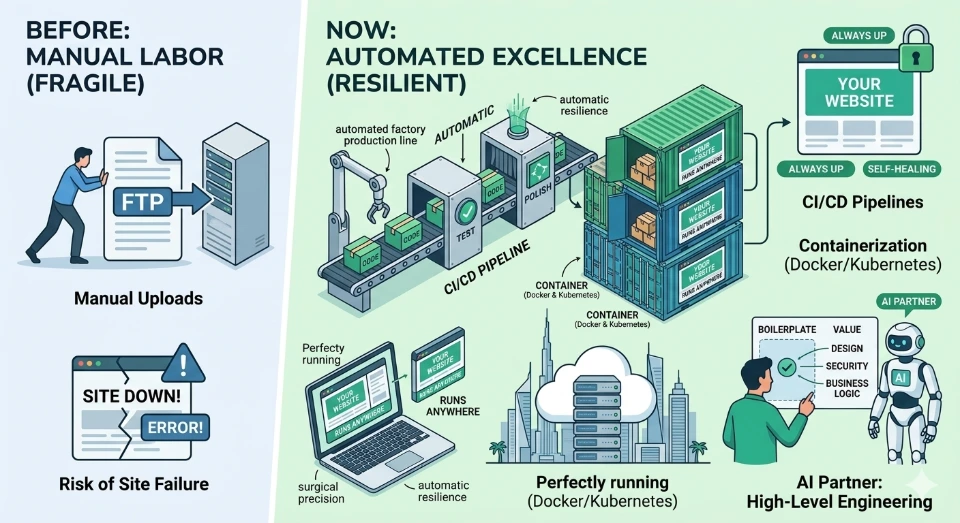
The most profound change in the digital world hasn't just been in what your customers see, but in how we actually construct the systems beneath them. We’ve moved away from the fragile days of manually uploading files via FTP—where one wrong click could take down an entire site—and into the era of CI/CD pipelines, where code is automatically tested, polished, and deployed with surgical precision. By embracing Containerization through tools like Docker and Kubernetes, we’ve finally solved the "it works on my machine" problem; we package your entire digital environment into a portable unit that runs perfectly whether it’s on a developer's laptop or a massive cloud server in Dubai.
Today, being an engineer means partnering with AI-native tools to handle the repetitive "boilerplate" tasks that used to take days, allowing us to spend our energy where it actually adds value: on your high-level architecture, security, and complex business logic. We aren't just writing lines of code anymore; we are orchestrating intelligent systems that are designed to be resilient and self-healing. When you look at the "engineering" behind your site, you’re seeing a shift from manual labor to automated excellence, ensuring that your platform is always up, always secure, and always ready for the next update without a second of downtime.
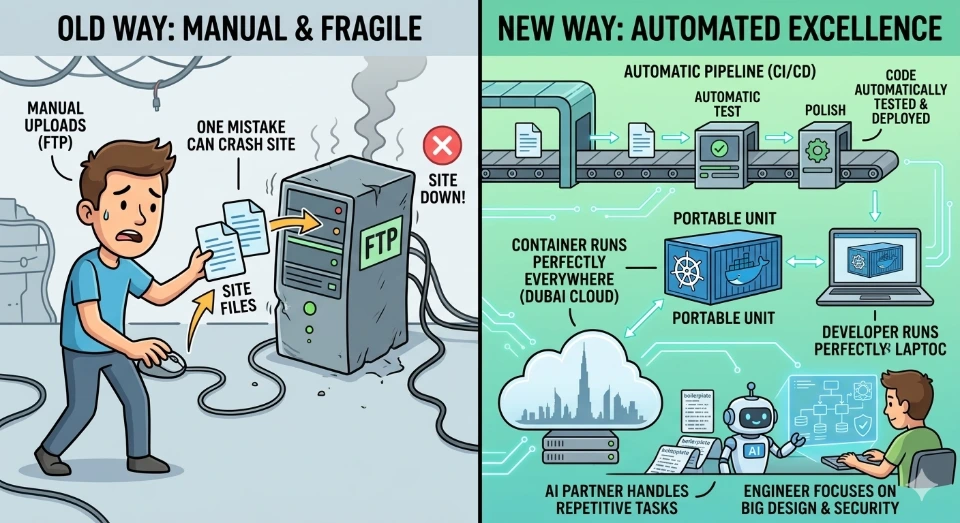
The most profound change in the digital world hasn't just been in what your customers see, but in how we actually construct the systems beneath them. We’ve moved away from the fragile days of manually uploading files via FTP—where one wrong click could take down an entire site—and into the era of CI/CD pipelines, where code is automatically tested, polished, and deployed with surgical precision. By embracing Containerization through tools like Docker and Kubernetes, we’ve finally solved the "it works on my machine" problem; we package your entire digital environment into a portable unit that runs perfectly whether it’s on a developer's laptop or a massive cloud server in Dubai.
Today, being an engineer means partnering with AI-native tools to handle the repetitive "boilerplate" tasks that used to take days, allowing us to spend our energy where it actually adds value: on your high-level architecture, security, and complex business logic. We aren't just writing lines of code anymore; we are orchestrating intelligent systems that are designed to be resilient and self-healing. When you look at the "engineering" behind your site, you’re seeing a shift from manual labor to automated excellence, ensuring that your platform is always up, always secure, and always ready for the next update without a second of downtime.
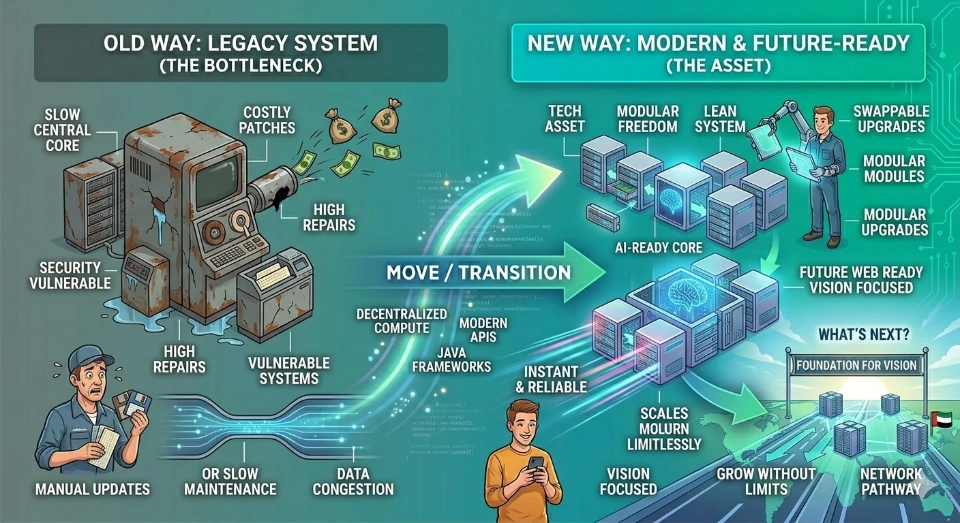
In a market as fast-paced as the UAE, staying at the "edge" of this evolution isn't just a tech choice—it’s your biggest competitive advantage. Running your company on Legacy Systems is like trying to win a race in a car with a decades-old engine; they are slow, increasingly vulnerable to modern security threats, and incredibly expensive to patch up every time something breaks. By contrast, a Modern System is modular and lean, giving you the freedom to swap out individual parts as technology changes without having to tear down and rebuild your entire foundation from scratch.
The real value of a Future-Ready System is that it’s built with AI-readiness and massive scalability at its very core, ensuring your business can grow into the next phase of the web without outgrowing its technology. We build for the "one person" who is trying to interact with your brand right now, making sure their experience is instant and reliable. When your technology is an asset rather than a bottleneck, you stop worrying about "will it work?" and start focusing on "what’s next?" because your foundation is finally as ambitious as your vision.
Digital Growth Strategy
استراتيجية النمو الرقمي
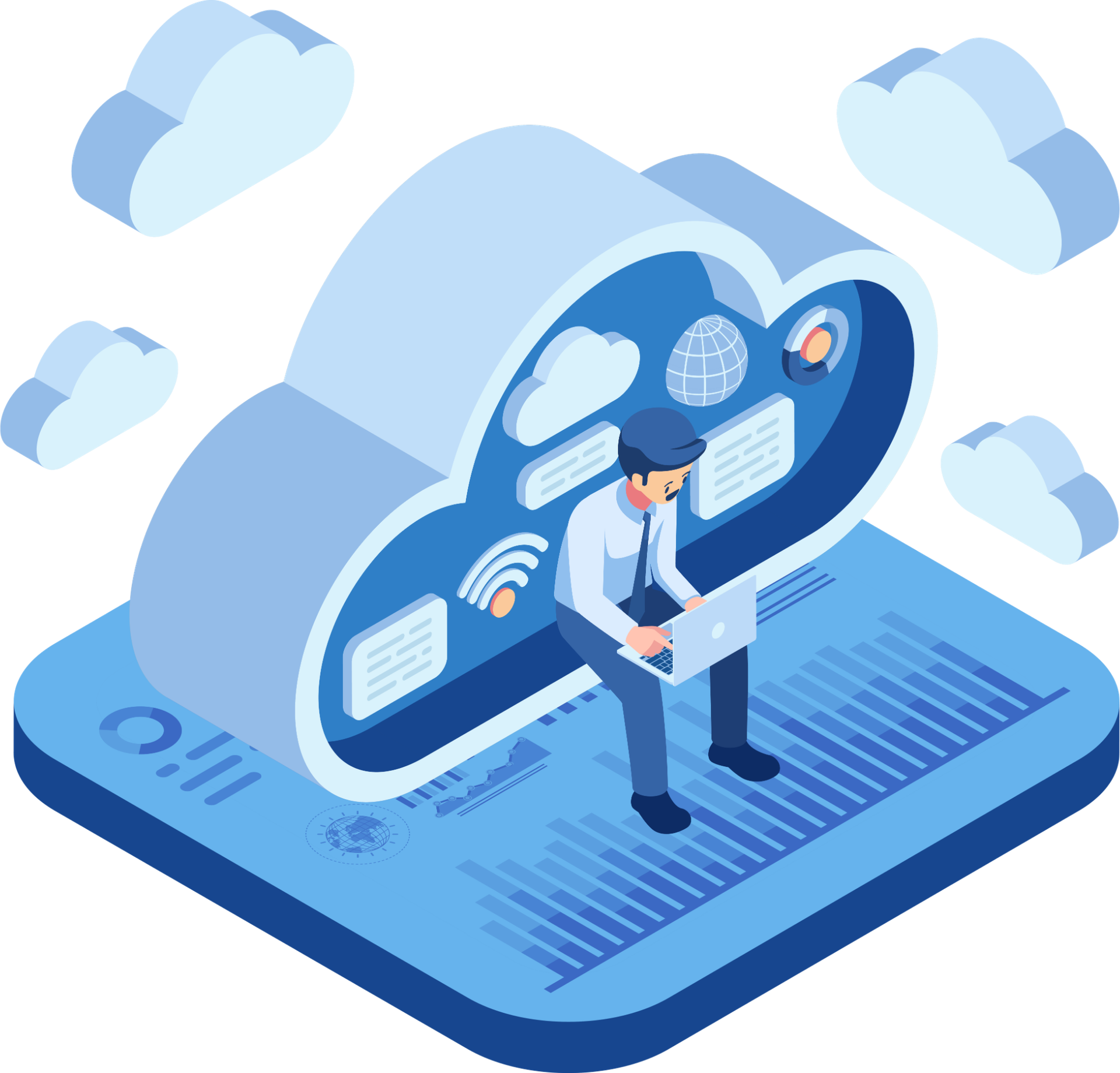
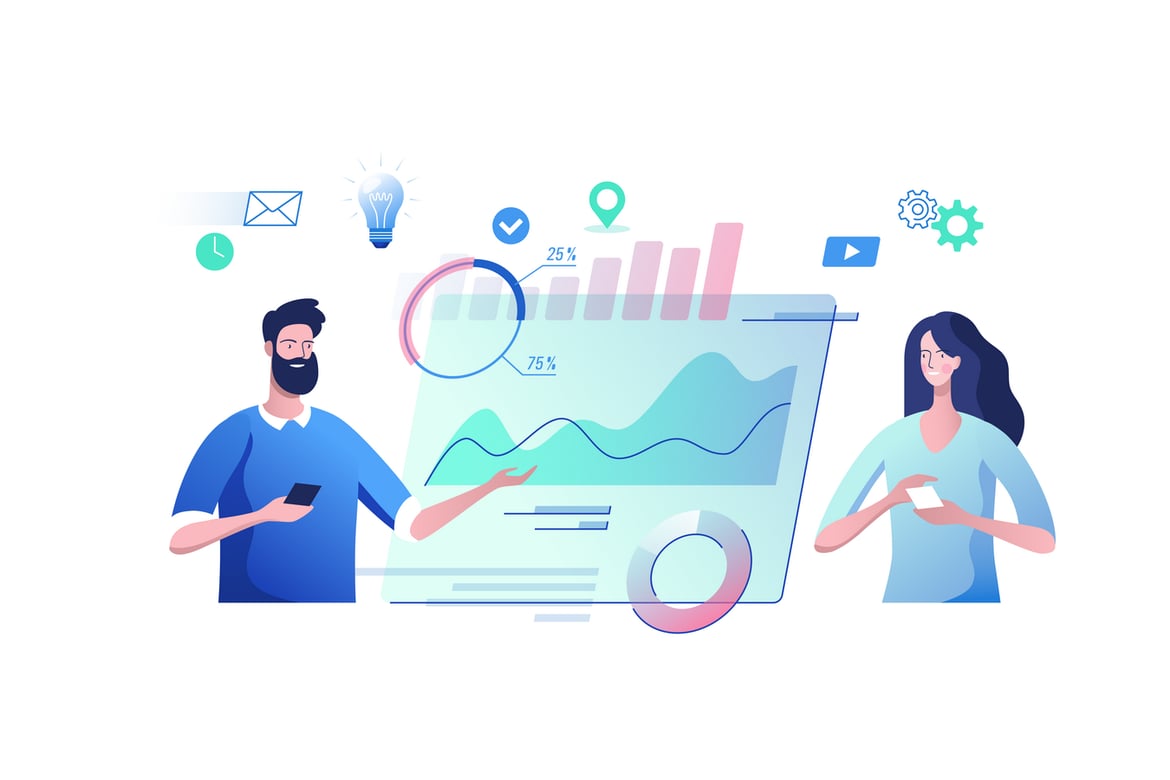
Modern web development serves as the foundational infrastructure for digital expansion by transforming static pages into dynamic ecosystems. A strategically developed website functions as an interconnected hub that facilitates fluid data flow between marketing, sales, and operations.
يعمل تطوير الويب الحديث كبنية تحتية أساسية للتوسع الرقمي من خلال تحويل الصفحات الثابتة إلى أنظمة ديناميكية. يعمل الموقع المطور استراتيجيًا كمركز مترابط يسهل تدفق البيانات بسلاسة بين التسويق والمبيعات والعمليات.
By embedding sophisticated tracking layers directly into the architecture, businesses move away from guesswork toward continuous optimization where every interaction informs the next business decision.
من خلال دمج طبقات تتبع متطورة مباشرة في البنية التحتية، تبتعد الشركات عن التخمين وتنتقل نحو نموذج التحسين المستمر حيث توجه كل حركة للمستخدم القرار التجاري التالي.
Digital Growth Strategy
استراتيجية النمو الرقمي
Modern web development serves as the foundational infrastructure for digital expansion by transforming static pages into dynamic ecosystems. A strategically developed website functions as an interconnected hub that facilitates fluid data flow between marketing, sales, and operations.
يعمل تطوير الويب الحديث كبنية تحتية أساسية للتوسع الرقمي من خلال تحويل الصفحات الثابتة إلى أنظمة ديناميكية. يعمل الموقع المطور استراتيجيًا كمركز مترابط يسهل تدفق البيانات بسلاسة بين التسويق والمبيعات والعمليات.
By embedding sophisticated tracking layers directly into the architecture, businesses move away from guesswork toward continuous optimization where every interaction informs the next business decision.
من خلال دمج طبقات تتبع متطورة مباشرة في البنية التحتية، تبتعد الشركات عن التخمين وتنتقل نحو نموذج التحسين المستمر حيث توجه كل حركة للمستخدم القرار التجاري التالي.
Building the Future of Digital Platforms
بناء مستقبل المنصات الرقمية
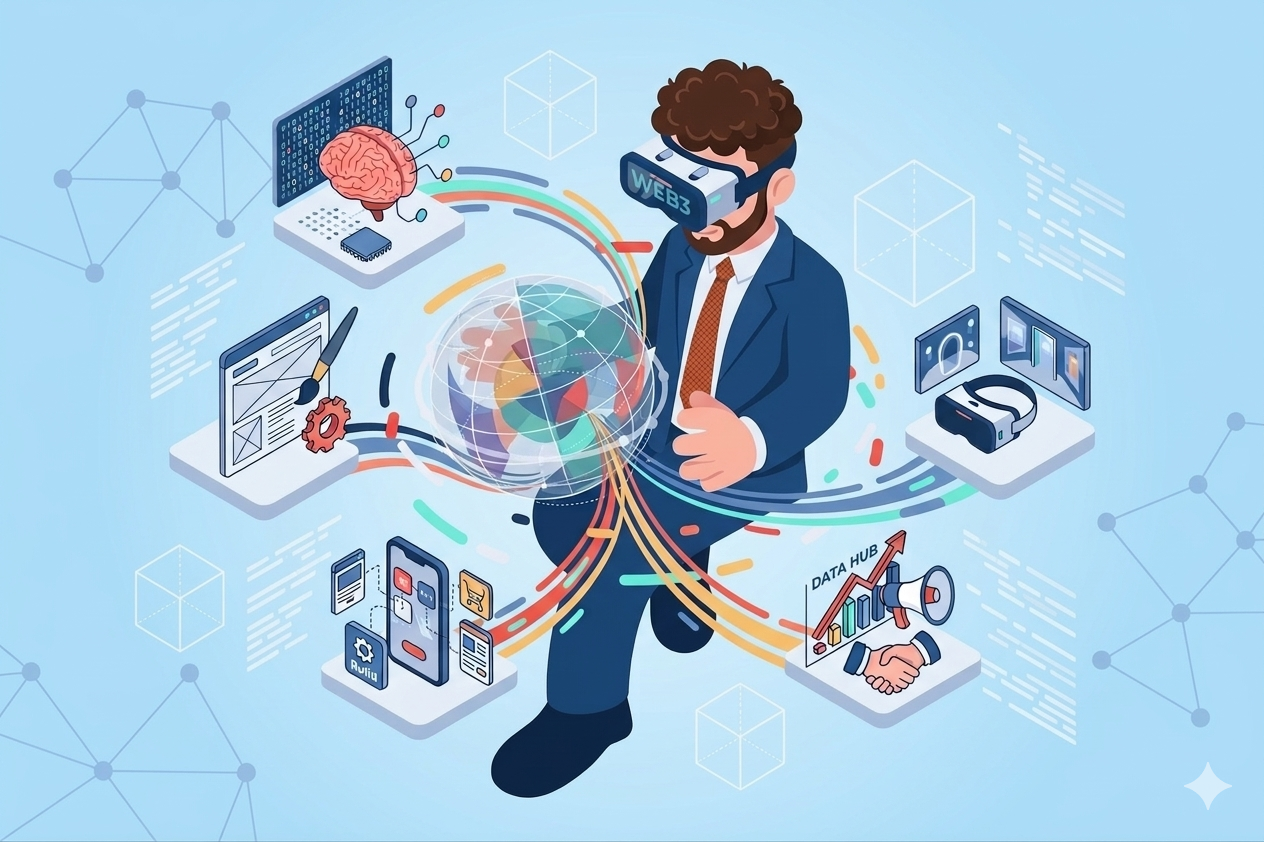
The transition from managing a website to architecting a digital platform marks the next great leap in corporate strategy. In 2026, a "platform" is a living, breathing ecosystem that anticipates user needs before they are articulated, driven by the maturation of artificial intelligence.
يمثل الانتقال من إدارة موقع إلكتروني إلى هندسة منصة رقمية القفزة الكبيرة التالية في استراتيجية الشركات. في عام 2026، المنصة هي نظام بيئي حي يتوقع احتياجات المستخدم قبل صياغتها، مدفوعاً بنضج الذكاء الاصطناعي.
Modern platforms are defined by their composable nature. By moving away from monolithic structures toward modular components, organizations maintain a perpetually modern presence. Utilizing an API-first methodology ensures interoperability across mobile, wearables, and the decentralized web.
تتميز المنصات الحديثة بطبيعتها القابلة للتركيب. من خلال الابتعاد عن الهياكل المتجمدة نحو المكونات المعيارية، تحافظ المؤسسات على تواجد رقمي متطور باستمرار. يضمن استخدام منهجية "الواجهة البرمجية أولاً" التوافق عبر الموبايل، الأجهزة القابلة للارتداء، والويب اللامركزي.
Building the Future of Digital Platforms
بناء مستقبل المنصات الرقمية
The transition from managing a website to architecting a digital platform marks the next great leap in corporate strategy. In 2026, a "platform" is a living, breathing ecosystem that anticipates user needs before they are articulated, driven by the maturation of artificial intelligence.
يمثل الانتقال من إدارة موقع إلكتروني إلى هندسة منصة رقمية القفزة الكبيرة التالية في استراتيجية الشركات. في عام 2026، المنصة هي نظام بيئي حي يتوقع احتياجات المستخدم قبل صياغتها، مدفوعاً بنضج الذكاء الاصطناعي.
Modern platforms are defined by their composable nature. By moving away from monolithic structures toward modular components, organizations maintain a perpetually modern presence. Utilizing an API-first methodology ensures interoperability across mobile, wearables, and the decentralized web.
تتميز المنصات الحديثة بطبيعتها القابلة للتركيب. من خلال الابتعاد عن الهياكل المتجمدة نحو المكونات المعيارية، تحافظ المؤسسات على تواجد رقمي متطور باستمرار. يضمن استخدام منهجية "الواجهة البرمجية أولاً" التوافق عبر الموبايل، الأجهزة القابلة للارتداء، والويب اللامركزي.
What We Can Do For You
Mobile-First Development is a design strategy where you start the sketching and coding process for the smallest screen (mobile) and then work your way up to larger screens. It forces you to prioritize essential content and performance from the beginning, ensuring the core user experience is fast and functional before adding desktop-specific enhancements.
Responsive Design is a web development approach that creates dynamic changes to the appearance of a website, depending on the screen size and orientation of the device being used. It uses a single codebase with fluid grids, flexible images, and CSS media queries to ensure the layout automatically adjusts for desktops, tablets, and smartphones. satisfaction.
Data Security is the practice of protecting digital information from unauthorized access, corruption, or theft throughout its entire lifecycle. It involves a combination of specialized hardware, software, and organizational policies to ensure that sensitive data remains private and available to legitimate users.
Advanced Protection refers to a specialized suite of security measures designed for individuals or organizations at high risk of targeted cyberattacks, such as data breaches, phishing, or industrial espionage. It moves beyond standard security by enforcing the strictest possible configurations for identity verification and data access.
Scalable Infrastructure refers to a system's ability to handle growing amounts of work or its potential to be enlarged to accommodate that growth. In modern computing, this means a system can automatically increase or decrease its resources (like CPU, RAM, or storage) based on real-time demand without any downtime.
Cloud Integration is the process of connecting different cloud-based applications, databases, and on-premises systems to allow for a seamless real-time exchange of data and processes. Instead of having "data silos" where information is trapped in one department's software, integration ensures that your entire digital ecosystem works as a single, unified unit.
Let's Connect Today!
My Company
- Garhoud Views Building – 7th Floor -Office 711-01 Dubai UAE
- +971509862203
- +971509862239
- info@itdtech.ae