
Pillars of User Behavior Monitoring
Deepening organizational intelligence by capturing, analyzing, and acting upon real-time user interactions across digital platforms
Event Tracking & Interaction Analytics
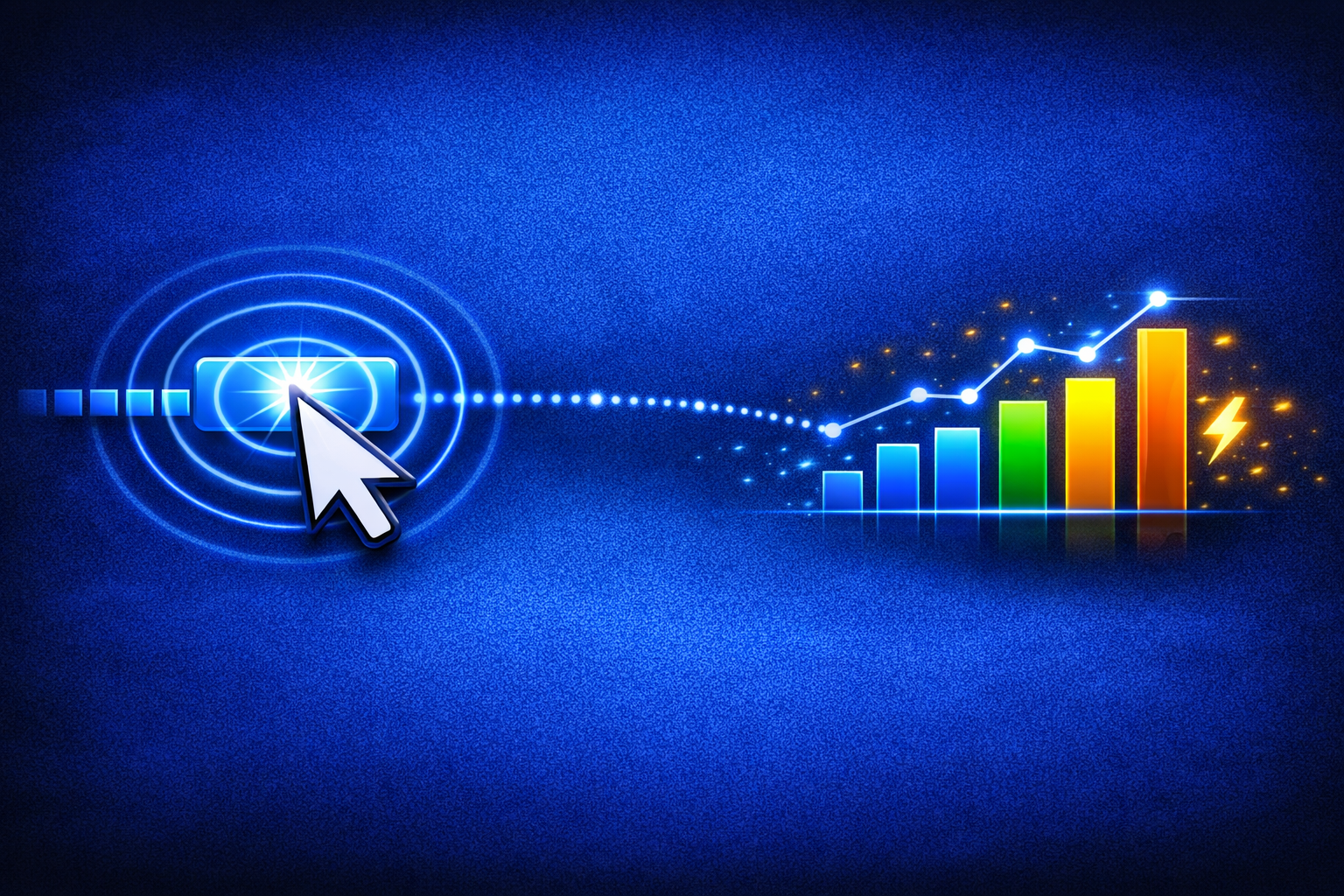
User behavior monitoring begins with the precise capture of digital footprints—every click, scroll, and navigation choice made within a platform. By implementing granular event tracking, businesses can move beyond basic page-view metrics to understand how users actually engage with specific features. This data reveals high-friction areas where users might struggle or drop off, providing the evidence needed to refine the user interface and streamline the path to conversion.
Heatmaps & Session Replay Insights
Visualizing behavior through heatmaps and session replays provides a qualitative layer to quantitative data. Heatmaps aggregate thousands of interactions to show where users focus their attention, highlighting the most viewed content and the most ignored call-to-action buttons. Session replays allow teams to witness the user experience firsthand, uncovering subtle bugs or confusing layout elements that traditional analytics might miss.
Conversion Funnel & Retention Analysis
The ultimate goal of monitoring behavior is to drive long-term loyalty and sustainable growth. Conversion funnel analysis tracks the user’s progress through specific goals—such as completing a purchase, signing up for a newsletter, or finishing a machine-tracking session. By identifying exactly where the "leaks" in the funnel occur, businesses can implement data-driven strategies to recapture lost interest and increase overall success rates.
Things To Know About

User Behavior Monitoring مراقبة سلوك المستخدم
Track how users interact with platforms تتبع كيفية تفاعل المستخدمين مع المنصات

Real-Time Insights رؤى فورية
Analyze user actions as they happen تحليل سلوك المستخدم في الوقت الفعلي

Interaction Tracking تتبع التفاعل
Monitor clicks, scrolls, and movement مراقبة النقرات والتمرير وحركة المستخدم

UX Improvement تحسين تجربة المستخدم
Enhance usability and user experience تحسين سهولة الاستخدام وتجربة المستخدم

Data-Driven Decisions قرارات مبنية على البيانات
Use behavior data to guide strategy استخدام بيانات السلوك لتوجيه الاستراتيجية

Conversion Optimization تحسين التحويل
Improve conversions through insights تحسين معدلات التحويل باستخدام البيانات
User Behavior Monitoring مراقبة سلوك المستخدم
Track how users interact with platforms تتبع كيفية تفاعل المستخدمين مع المنصات
Real-Time Insights رؤى فورية
Analyze user actions as they happen تحليل سلوك المستخدم في الوقت الفعلي
Interaction Tracking تتبع التفاعل
Monitor clicks, scrolls, and movement مراقبة النقرات والتمرير وحركة المستخدم
UX Improvement تحسين تجربة المستخدم
Enhance usability and user experience تحسين سهولة الاستخدام وتجربة المستخدم
Data-Driven Decisions قرارات مبنية على البيانات
Use behavior data to guide strategy استخدام بيانات السلوك لتوجيه الاستراتيجية
Conversion Optimization تحسين التحويل
Improve conversions through insights تحسين معدلات التحويل باستخدام البيانات
Interaction Analytics & Granular Event Tracking
Moving beyond page views to understand true engagement
User behavior monitoring begins with the precise capture of digital interactions—every click, scroll, and form submission. By implementing granular event tracking, businesses can identify high-friction areas where users drop off, providing the evidence needed to streamline the path to conversion and improve overall interface performance.
Key Areas Include:
Click Mapping: Identifying which buttons and links receive the most engagement.
Scroll Depth Analysis: Seeing how far users navigate down a page before leaving.
Form Interaction: Pinpointing specific fields where users hesitate or encounter errors.
Feature Usage Tracking: Monitoring which software modules are used most frequently.
Navigation Flow: Mapping the most common paths users take through your platform.
Heatmaps & Attentional Visualization
Identifying "Hot" and "Cold" zones within your user interface
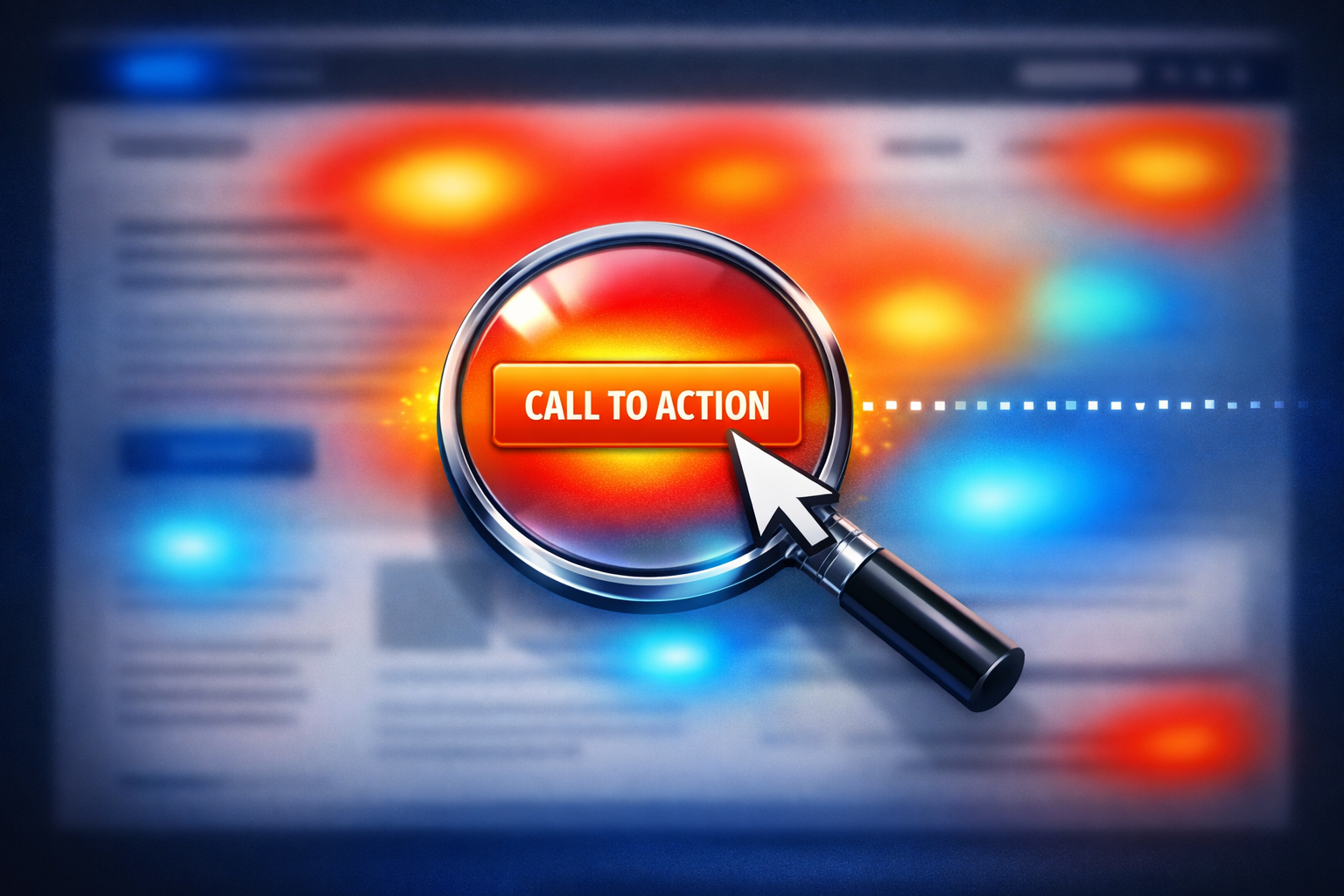
Heatmaps aggregate thousands of user interactions into a color-coded visual layer, showing where users focus their attention. By highlighting the most viewed content and the most ignored call-to-action buttons, heatmaps provide an immediate qualitative understanding of how layout and design influence user choices.
Key Areas Include:
Attention Maps: Visualizing where users spend the most time looking.
Click Heatmaps: Showing the density of interactions across the UI.
Movement Tracking: Monitoring the path of the mouse cursor across the screen.
Device-Specific Heatmaps: Comparing behavior across Mobile, Tablet, and Desktop.
A/B Testing Visualization: Seeing how design changes shift user focus in real-time.
Session Recording & Experience Reconstruction
Uncovering subtle bugs and UX hurdles through direct observation
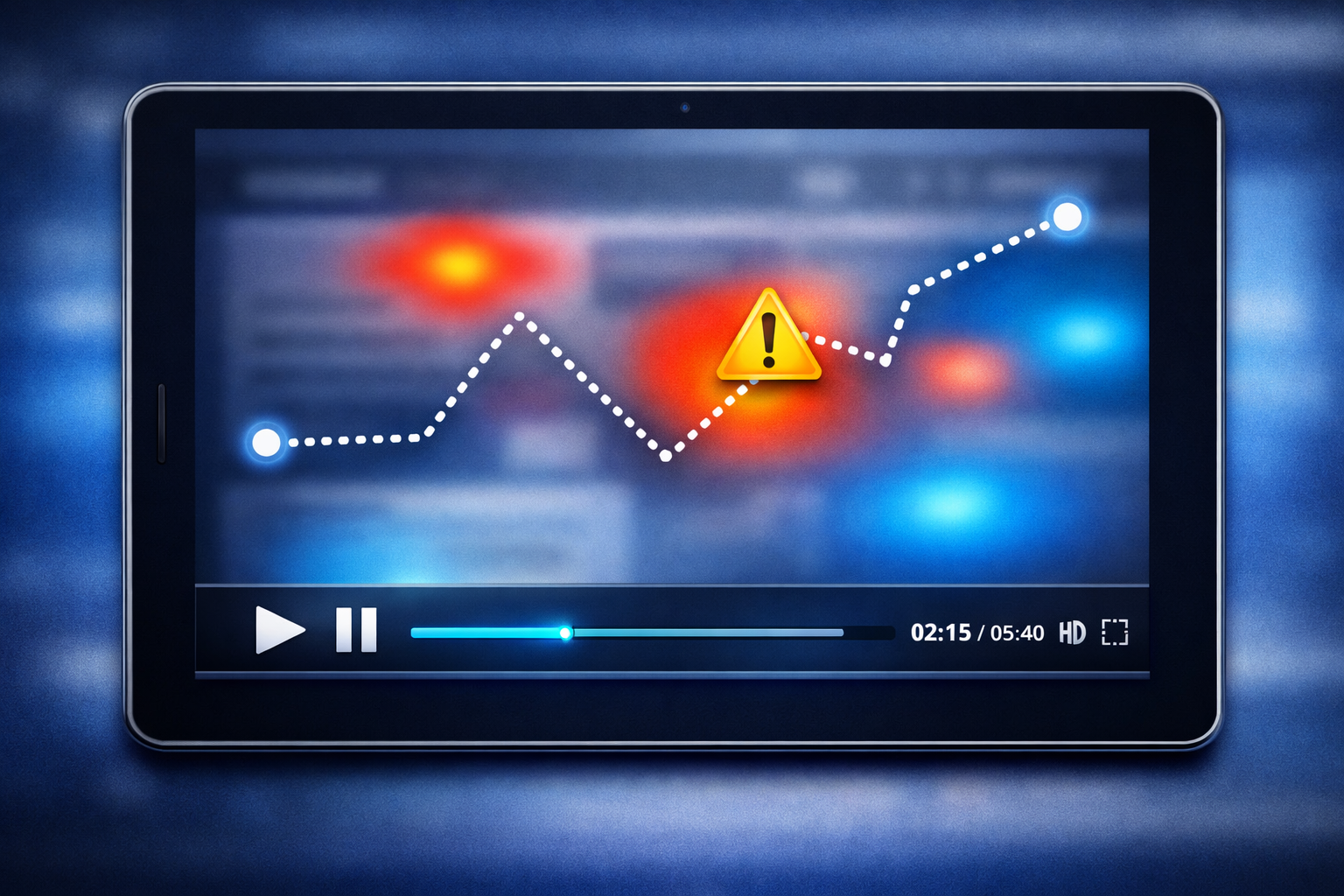
Session replays allow technical teams to witness the user experience firsthand by reconstructing individual browsing sessions. This allows for the identification of "rage clicks," confusing navigation elements, or technical bugs that traditional analytics might miss, allowing for rapid and empathetic troubleshooting.
Key Areas Include:
Rage Click Detection: Highlighting moments of user frustration and rapid clicking.
Error Context: Seeing exactly what the user was doing when a system error occurred.
U-Turn Analysis: Identifying where users go back because of confusing layouts.
Live Session Monitoring: Observing interactions as they happen for high-stakes flows.
Privacy-First Masking: Automatically hiding sensitive user data during replays.
Conversion Funnels & Drop-off Intelligence
Optimizing the journey from initial landing to successful outcome
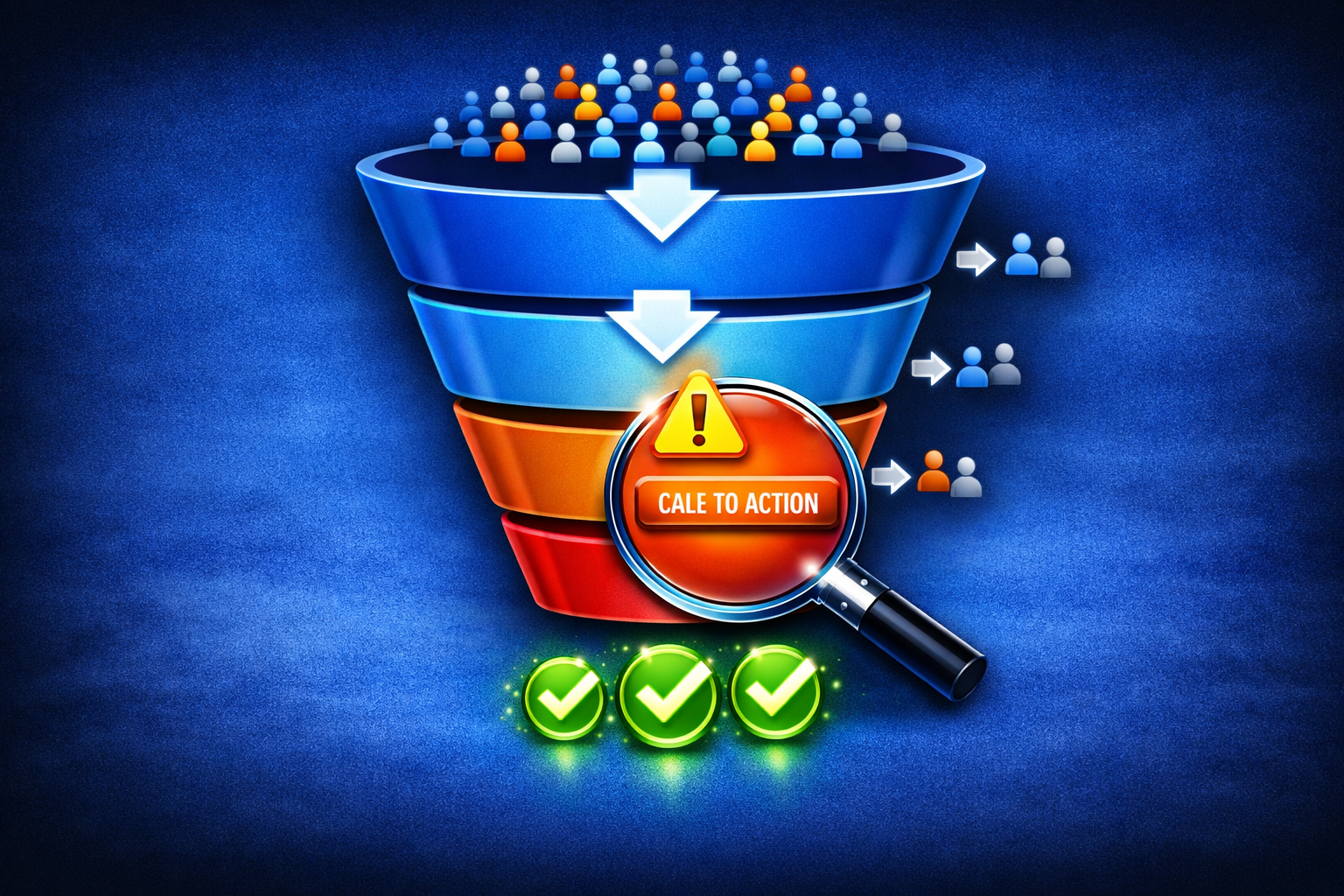
Conversion funnel analysis tracks the user’s progress through specific business goals, such as completing a purchase or finishing a machine-tracking session. By identifying exactly where the "leaks" in the funnel occur, businesses can implement targeted, data-driven strategies to recapture lost interest and increase overall success rates.
Key Areas Include:
Step-by-Step Drop-offs: Seeing exactly which page causes the most exits.
Time-to-Convert Metrics: Measuring how long it takes to move through the funnel.
Multi-Channel Funnels: Tracking users as they move between different platforms.
Abandonment Recovery: Identifying triggers for automated re-engagement emails.
Goal Tracking: Defining custom success events based on business requirements.
Retention Analysis & Behavioral Cohorts Predicting long-term loyalty through behavioral patterns
The ultimate goal of monitoring behavior is to drive sustainable growth. By studying the habits of returning users versus those who "churn" (leave), machine learning models can identify the specific actions that correlate with long-term retention. This allows the platform to nudge users toward high-value behaviors proactively.
Key Areas Include:
Cohort Analysis: Grouping users by their start date to track loyalty over time.
Churn Signal Identification: Flagging users who stop performing key actions.
Engagement Scoring: Assigning values to users based on the quality of their interaction.
Proactive Nudging: Using behavior triggers to suggest helpful next steps.

Strategic Evidence
الأدلة الاستراتيجية
Data-Driven Decision Making
اتخاذ القرارات القائمة على البيانات
Empirical Interaction Insights
رؤى تفاعلية تجريبية
Transform subjective choices into evidence-based strategies. Shift from assumptions to data to implement precise design improvements that resonate deeply with your target audience.
تحويل الخيارات الذاتية إلى استراتيجيات قائمة على الأدلة. الانتقال من الافتراضات إلى البيانات لتنفيذ تحسينات دقيقة في التصميم تلقى صدى عميقًا لدى جمهورك المستهدف.
Continuous Optimization Cycle
دورة التحسين المستمر
Ensure products evolve in lockstep with shifting consumer needs. Leverage real-time interaction data to guide resource allocation by proven success patterns rather than guesswork.
ضمان تطور المنتجات بما يتماشى مع احتياجات المستهلكين المتغيرة. الاستفادة من بيانات التفاعل في الوقت الفعلي لتوجيه تخصيص الموارد من خلال أنماط النجاح المثبتة بدلاً من التخمين.
Proactive Organizational Growth
نمو مؤسسي استباقي
Foster a more resilient organization where every decision is backed by users. Move with greater agility by turning real-time data into a roadmap for sustainable, long-term growth.
تعزيز مؤسسة أكثر مرونة حيث يتم دعم كل قرار من قبل المستخدمين. التحرك برشاقة أكبر من خلال تحويل البيانات في الوقت الفعلي إلى خارطة طريق للنمو المستدام على المدى الطويل.

Strategic Evidence
الأدلة الاستراتيجية
Data-Driven Decision Making
اتخاذ القرارات القائمة على البيانات
Empirical Interaction Insights
رؤى تفاعلية تجريبية
Transform subjective choices into evidence-based strategies. Shift from assumptions to data to implement precise design improvements that resonate deeply with your target audience.
تحويل الخيارات الذاتية إلى استراتيجيات قائمة على الأدلة. الانتقال من الافتراضات إلى البيانات لتنفيذ تحسينات دقيقة في التصميم تلقى صدى عميقًا لدى جمهورك المستهدف.
Continuous Optimization Cycle
دورة التحسين المستمر
Ensure products evolve in lockstep with shifting consumer needs. Leverage real-time interaction data to guide resource allocation by proven success patterns rather than guesswork.
ضمان تطور المنتجات بما يتماشى مع احتياجات المستهلكين المتغيرة. الاستفادة من بيانات التفاعل في الوقت الفعلي لتوجيه تخصيص الموارد من خلال أنماط النجاح المثبتة بدلاً من التخمين.
Proactive Organizational Growth
نمو مؤسسي استباقي
Foster a more resilient organization where every decision is backed by users. Move with greater agility by turning real-time data into a roadmap for sustainable, long-term growth.
تعزيز مؤسسة أكثر مرونة حيث يتم دعم كل قرار من قبل المستخدمين. التحرك برشاقة أكبر من خلال تحويل البيانات في الوقت الفعلي إلى خارطة طريق للنمو المستدام على المدى الطويل.
User-Centric Design
التصميم المرتكز على المستخدم
Enhancing Digital Experiences
تعزيز التجارب الرقمية

Digital Body Language
لغة الجسد الرقمية
Transform interactions into dynamic journeys. By monitoring navigation and clicks, we eliminate guesswork and confusing layouts, ensuring your platform remains intuitive.
تحويل التفاعلات إلى رحلات ديناميكية. من خلال مراقبة التنقل والنقرات، نقضي على التخمين والتخطيطات المربكة، مما يضمن بقاء منصتك سهلة الاستخدام.
Path Optimization
تحسين المسار
Identify the "happy paths" that lead to successful outcomes. Guide new users toward high-value actions to proactively reduce churn and build long-term loyalty.
تحديد "المسارات السعيدة" التي تؤدي إلى نتائج ناجحة. توجيه المستخدمين الجدد نحو الإجراءات عالية القيمة لتقليل فقدان العملاء بشكل استباقي وبناء ولاء طويل الأمد.
Empathetic Ecosystems
أنظمة بيئية متعاطفة
Every technical update is a direct response to actual user needs. Build a superior brand experience that anticipates intent and scales alongside your business growth.
كل تحديث تقني هو استجابة مباشرة لاحتياجات المستخدم الفعلية. ابنِ تجربة علامة تجارية متفوقة تتوقع النوايا وتتوسع جنباً إلى جنب مع نمو أعمالك.
User-Centric Design
التصميم المرتكز على المستخدم
Enhancing Digital Experiences
تعزيز التجارب الرقمية
Digital Body Language
لغة الجسد الرقمية
Transform interactions into dynamic journeys. By monitoring navigation and clicks, we eliminate guesswork and confusing layouts, ensuring your platform remains intuitive.
تحويل التفاعلات إلى رحلات ديناميكية. من خلال مراقبة التنقل والنقرات، نقضي على التخمين والتخطيطات المربكة، مما يضمن بقاء منصتك سهلة الاستخدام.
Path Optimization
تحسين المسار
Identify the "happy paths" that lead to successful outcomes. Guide new users toward high-value actions to proactively reduce churn and build long-term loyalty.
تحديد "المسارات السعيدة" التي تؤدي إلى نتائج ناجحة. توجيه المستخدمين الجدد نحو الإجراءات عالية القيمة لتقليل فقدان العملاء بشكل استباقي وبناء ولاء طويل الأمد.
Empathetic Ecosystems
أنظمة بيئية متعاطفة
Every technical update is a direct response to actual user needs. Build a superior brand experience that anticipates intent and scales alongside your business growth.
كل تحديث تقني هو استجابة مباشرة لاحتياجات المستخدم الفعلية. ابنِ تجربة علامة تجارية متفوقة تتوقع النوايا وتتوسع جنباً إلى جنب مع نمو أعمالك.
What We Can Do For You
We conduct deep-dive technical assessments of your existing platforms to identify friction points, navigation bottlenecks, and hidden opportunities for UI/UX enhancement.
Our team deploys advanced visual tracking tools to show you exactly where your users focus their attention, helping you optimize layouts for maximum engagement and conversion.
We map the end-to-end user journey to pinpoint exactly where potential customers drop off, implementing data-driven fixes to "plug the leaks" and increase successful outcomes.
Gain total visibility into the user experience with reconstructed session replays that allow our engineers to witness and resolve technical bugs or confusing navigation in real-time.
By applying machine learning to interaction data, we help you predict future user needs and shifts in behavior, allowing you to stay ahead of market trends with proactive updates.
We implement tailored tracking architectures within your web and mobile applications, ensuring every high-value action—from button clicks to form completions—is measured with precision.
Let's Connect Today!
My Company
- Garhoud Views Building – 7th Floor -Office 711-01 Dubai UAE
- +971509862203
- +971509862239
- info@itdtech.ae